Best network streamer: three picks by DAC and outputs
The best network streamer is settled by whether you want a DAC in the box. Three Eversolo picks, including one streaming transport with no DAC at all.
We earn a commission on qualifying purchases through the links here, at no cost to you. It never decides what makes the list.
The picks
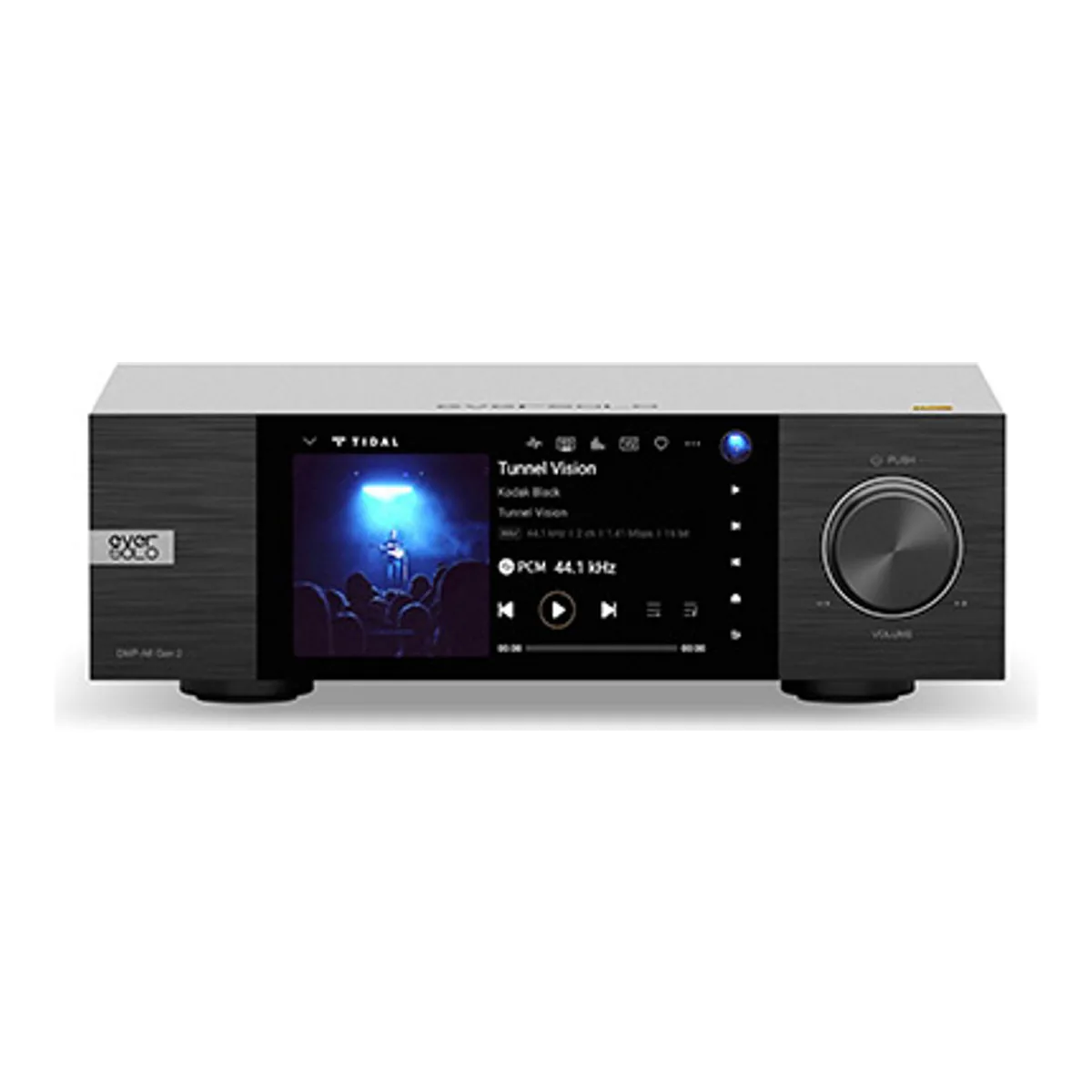
Best network streamer
Eversolo DMP-A6 Gen 2
Two ES9038Q2M converters and XLR and RCA pre-outputs, plus the only HDMI audio output of the three, rated for native DSD64 and multichannel PCM to 5.1.
- Two ES9038Q2M DAC chips, one per channel
- DSD512 Native and PCM 768 kHz at 32 bit over USB
- XLR balanced and RCA unbalanced pre-outputs
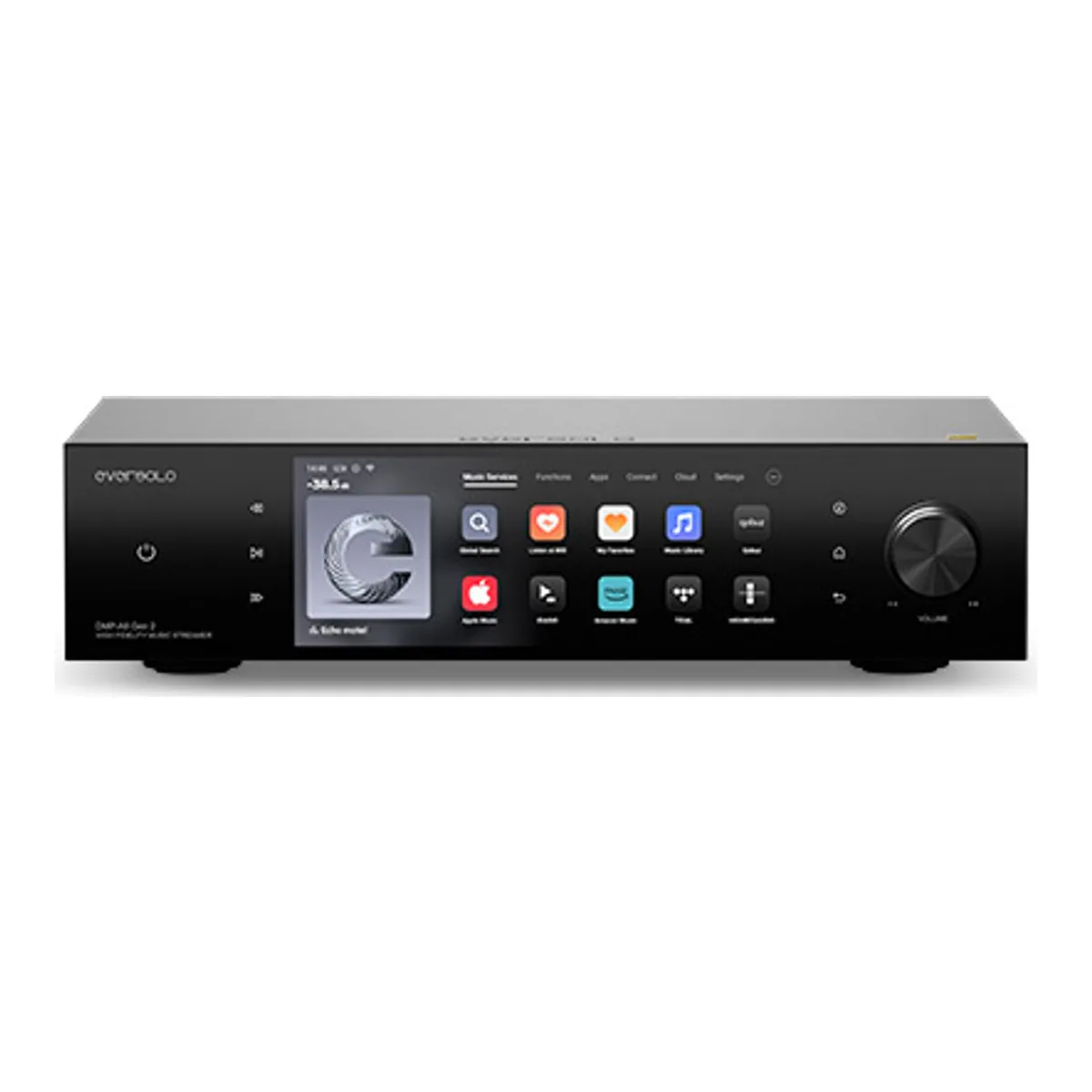
Best network streamer with a built-in DAC
Eversolo DMP-A8 Gen 2
An AK4499EXEQ converter with analog XLR and RCA inputs into a preamplifier that takes up to +10 dB of gain, and a subwoofer output with a 40 to 500 Hz crossover.
- AK4499EXEQ DAC with an AK4191EQ digital processor
- XLR and RCA analog inputs into a preamplifier with up to +10 dB gain
- DSD512 Native and PCM 768 kHz at 32 bit
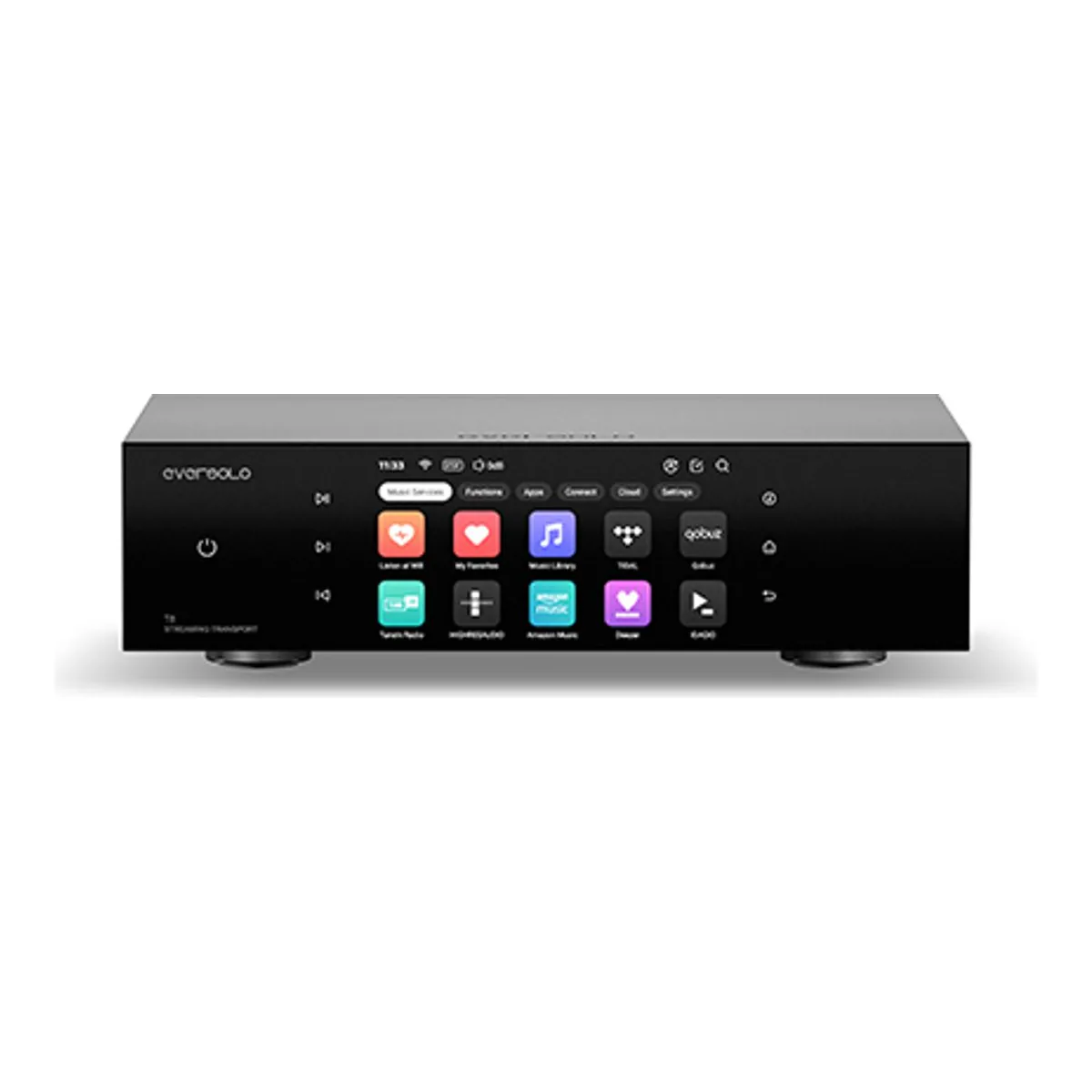
Best network streamer without a DAC
Eversolo T8
A streaming transport with no converter and no analog output, handing DSD512 and PCM 768 kHz to a DAC you already trust over isolated USB or IIS.
- Professional-grade streaming transport, in Eversolo's own words
- Isolated IIS output with eight selectable output modes
- DSD512 Native and PCM 768 kHz 32 bit over isolated USB, UAC-compliant DACs only, and over isolated IIS with no such condition
DSD512 and PCM at 768 kHz, 32 bit. All three boxes below print that line, so it settles nothing between them. What settles the best network streamer for a given system is duller: whether you want the digital to analog conversion happening inside the box, or you already own a converter you have no intention of replacing.
Answer that and the shelf splits in three.
Two of these carry converters and drive an amplifier directly, and one deliberately carries none, so a music streamer and the converter that turns its output into sound are two separate decisions here. Much of the rest is shared. All three carry Tidal Connect, all three are a Roon Ready streamer on the sources cited below, and all three take at least one SSD of their own. What survives a spec sheet is the converter, what comes out of the back, and one thing about streaming services that no comparison table can answer.
How these picks were chosen
Every value in the table below comes from Eversolo's own page for that model, fetched and cached, though not all of it from the specification table. The subwoofer output, the T8's SSD slots, its JPLAY certification and the isolation on its digital outputs are body copy on those pages. Its empty analog output cell is an omission from a table, never a stated absence. Two values come from elsewhere entirely, named under the table.
Each pick also carries a third party piece. Headfonics covers the DMP-A6 Gen 2 and Headfonia the T8, both disclosing a supplied sample. Audio Advice covers the DMP-A8 Gen 2; it is a retailer describing itself as the largest Eversolo seller in the United States, and it had early units for testing. None of the three is an instrumented test and none is presented as one. Counted owner evidence, which this site normally leans on, is scoped here to model names spanning several SKUs. Its denominator is a family's and not these boxes', so no page of ours quotes an owner on that basis.
The whole shelf on three axes
| Spec | DMP-A6 Gen 2 | DMP-A8 Gen 2 | T8 |
|---|---|---|---|
| Converter | Two ES9038Q2M | AK4499EXEQ with AK4191EQ | None, transport only |
| Analog output | XLR and RCA pre-out | XLR and RCA pre-out, plus a subwoofer out | None |
| Digital output | USB, optical, coaxial, HDMI | USB, IIS, AES/EBU, optical, coaxial | USB, IIS, AES/EBU and coaxial, all stated isolated, plus optical |
| Max rate | DSD512 Native, PCM 768 kHz 32 bit | DSD512 Native, PCM 768 kHz 32 bit | DSD512 Native and PCM 768 kHz 32 bit on USB and IIS, 24 bit 192 kHz on the rest |
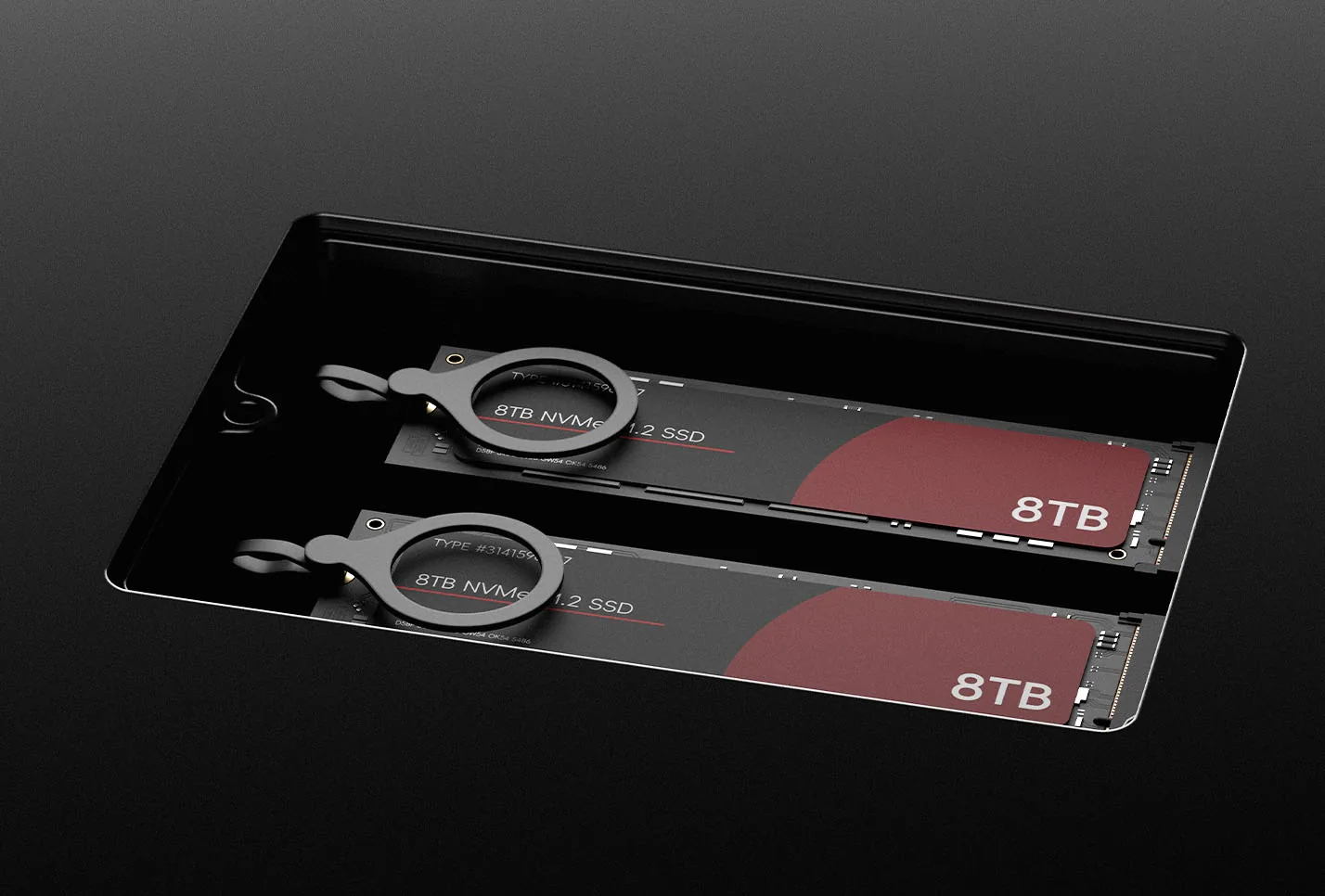
| Drive bays | One M.2 NVMe, to 8 TB | One M.2 NVMe, to 8 TB | Two slots, to 8 TB each, untyped in the spec table |
| Roon | Roon Ready | Roon Ready, per Audio Advice | Roon Ready, plus JPLAY certified |
Basis: manufacturer documentation, per model, with two exceptions. Roon Ready on the DMP-A8 Gen 2 comes from Audio Advice, because Eversolo's own page for that model lists other streaming protocols and never names Roon, and Roon Labs lists Eversolo as a partner brand without publishing a per-model certification we can cite. Second, the T8's specification table leaves the converter out without stating that it lacks one, and Headfonia confirms from outside that it needs an external DAC.
Best network streamer: Eversolo DMP-A6 Gen 2
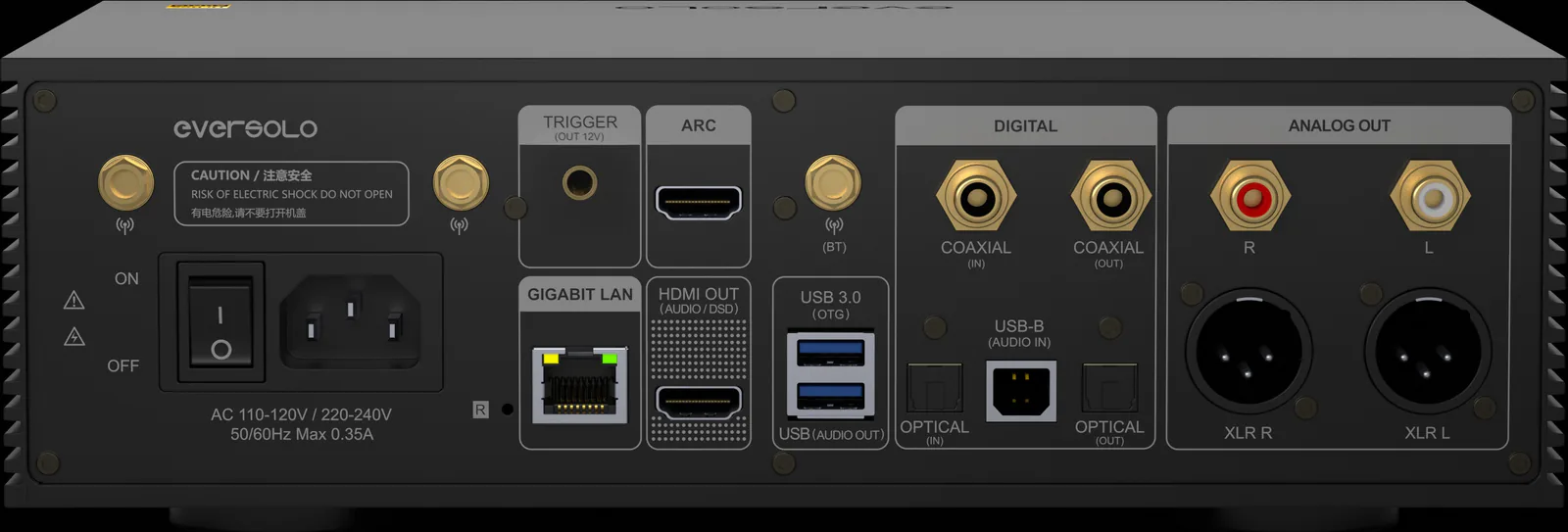
Two ES9038Q2M converters, which Eversolo describes as processing the left and right channels independently, feeding XLR balanced and RCA unbalanced pre-outputs. Headfonics calls the same arrangement a dual configuration connected in parallel, and where the two descriptions differ we follow the maker. What it alone carries of the three is the HDMI audio output, rated for native DSD64 and multichannel PCM up to 5.1. Both converter-equipped picks take TV audio in over HDMI ARC, so that is not what separates them; sending multichannel audio back out is. Underneath, the M.2 slot takes a library up to 8 TB.
Skip it if your converter is already better than an ES9038Q2M pair, because you are then paying for one you will bypass, and the T8 exists for that buyer.
Best network streamer with a built-in DAC: Eversolo DMP-A8 Gen 2
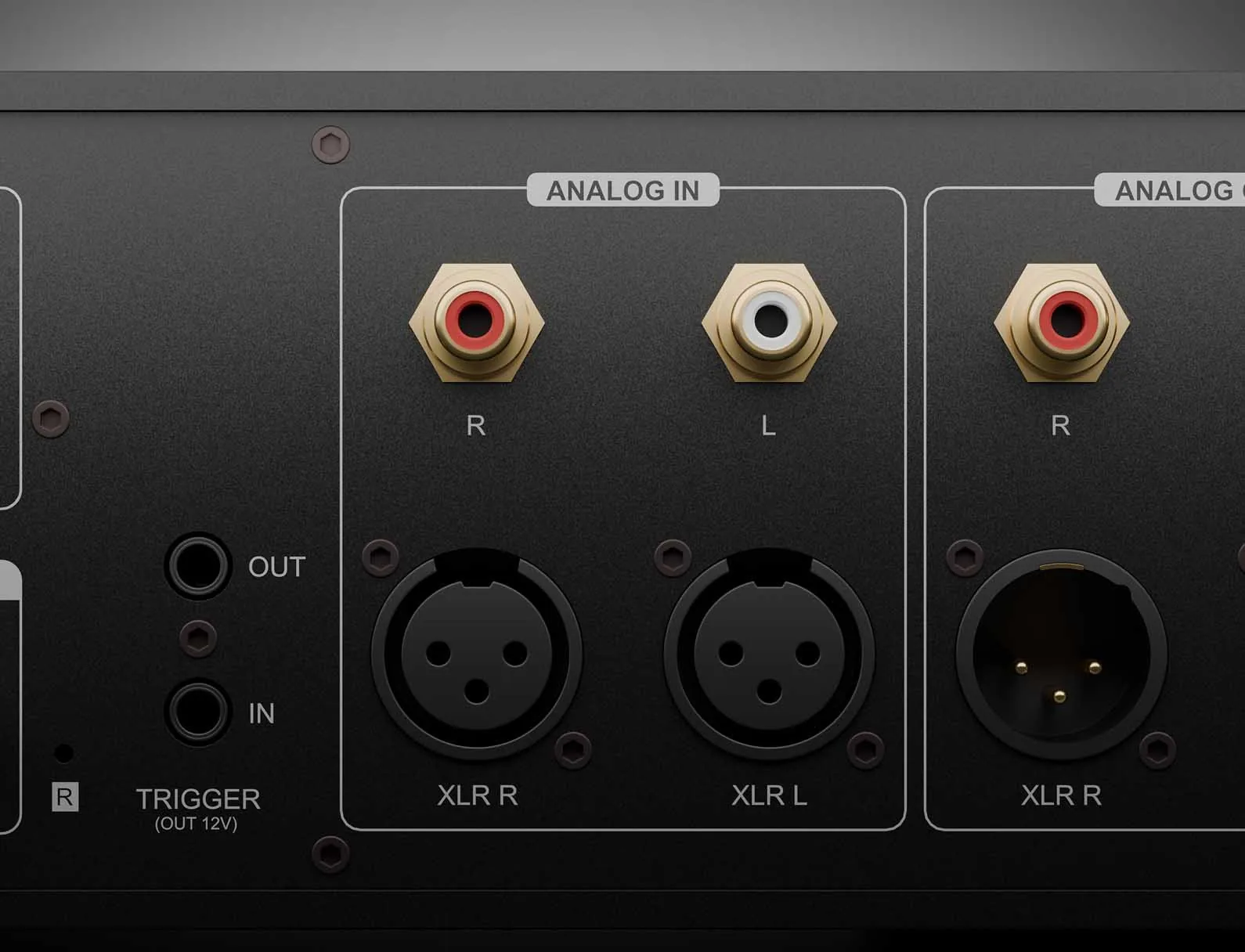
This row exists for the AK4499EXEQ. Paired with an AK4191EQ digital processor it is the more ambitious converter of the two here. The judgment is ours, and nobody published it as a ranking. Audio Advice says the AK4499EX shows up in reference-level standalone DACs. What chip talk buries is everything around it: XLR balanced or RCA analog in, into a preamplifier stage with up to +10 dB of gain, so a phono stage or a tuner joins the system with nothing extra in front of it, and a dedicated subwoofer output with a crossover adjustable from 40 to 500 Hz.
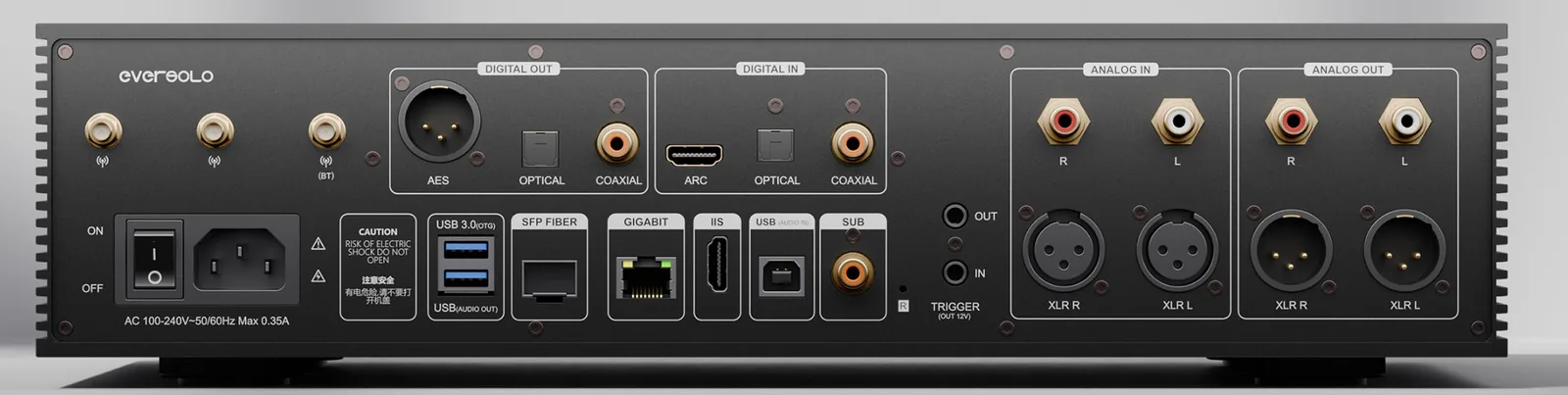
Between the converter, that input, the sub output and the volume control, it is several boxes replaced by one.
Skip it if you have no analog source and no subwoofer, because the analog inputs and that +10 dB of gain are then bought and never used. Its A6 Gen 2 sibling sends multichannel out over HDMI, and this one has an SFP fiber port that the A6's network row does not list. Past those two, both service and streaming rows end in an ellipsis, so neither page settles which platforms separate them, and we will not pretend to.
Best network streamer without a DAC: Eversolo T8
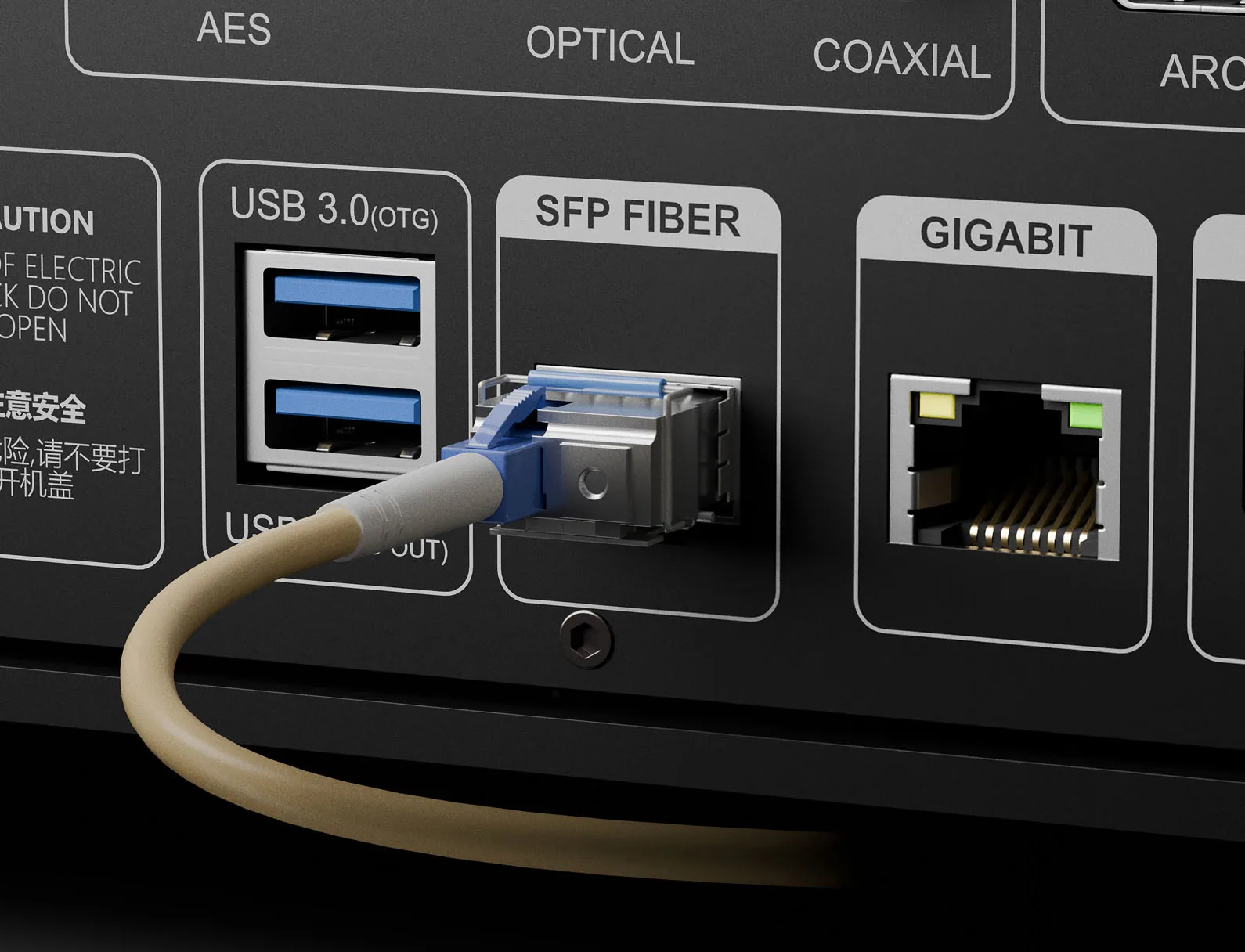
No converter, and no analog output either. Eversolo calls this a streaming transport, and what it hands downstream is the full rate, unreduced: DSD512 Native and PCM 768 kHz at 32 bit over isolated USB or the isolated IIS port, which carries eight selectable output modes. Coaxial, optical and AES/EBU sit lower, at 24 bit and 192 kHz with DoP64, so on this box the choice of cable is the choice of ceiling. Read one condition on that USB output first, and the A8 Gen 2 carries the same one: it works only with DACs that support the UAC standard. The IIS route has no such condition, and its eight modes exist because Eversolo is covering a range of decoder architectures, a polite way of saying an I2S link is not universal. Two SSD slots instead of one, taking 8 TB each, and an SFP fiber network port beside the gigabit RJ45. Treat that port as a project. Eversolo's own page sets the conditions. The modules are not included and are bought separately, and it names third-party ones it recommends. It asks for a matched pair of single-mode 1310 nm modules of the same brand and type, and it says they must suit the switch you chose and will not do SFP+.
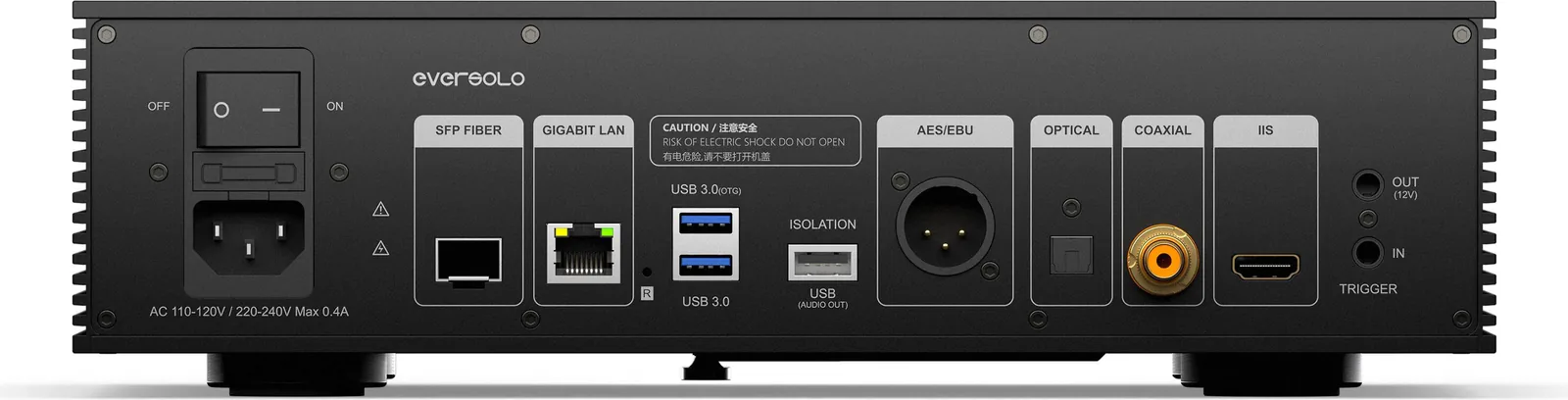
Eversolo lists this one as JPLAY certified alongside Roon Ready, which neither of the other two pages mentions. Both of those rows trail off as well, so the difference is in what is published, and it is not settled.
Passthrough is the normal state, though not the only one. Eversolo says the volume engine engages only when digital volume adjustment is needed, and the same page documents a ten band parametric equalizer and room correction for anyone who wants them.
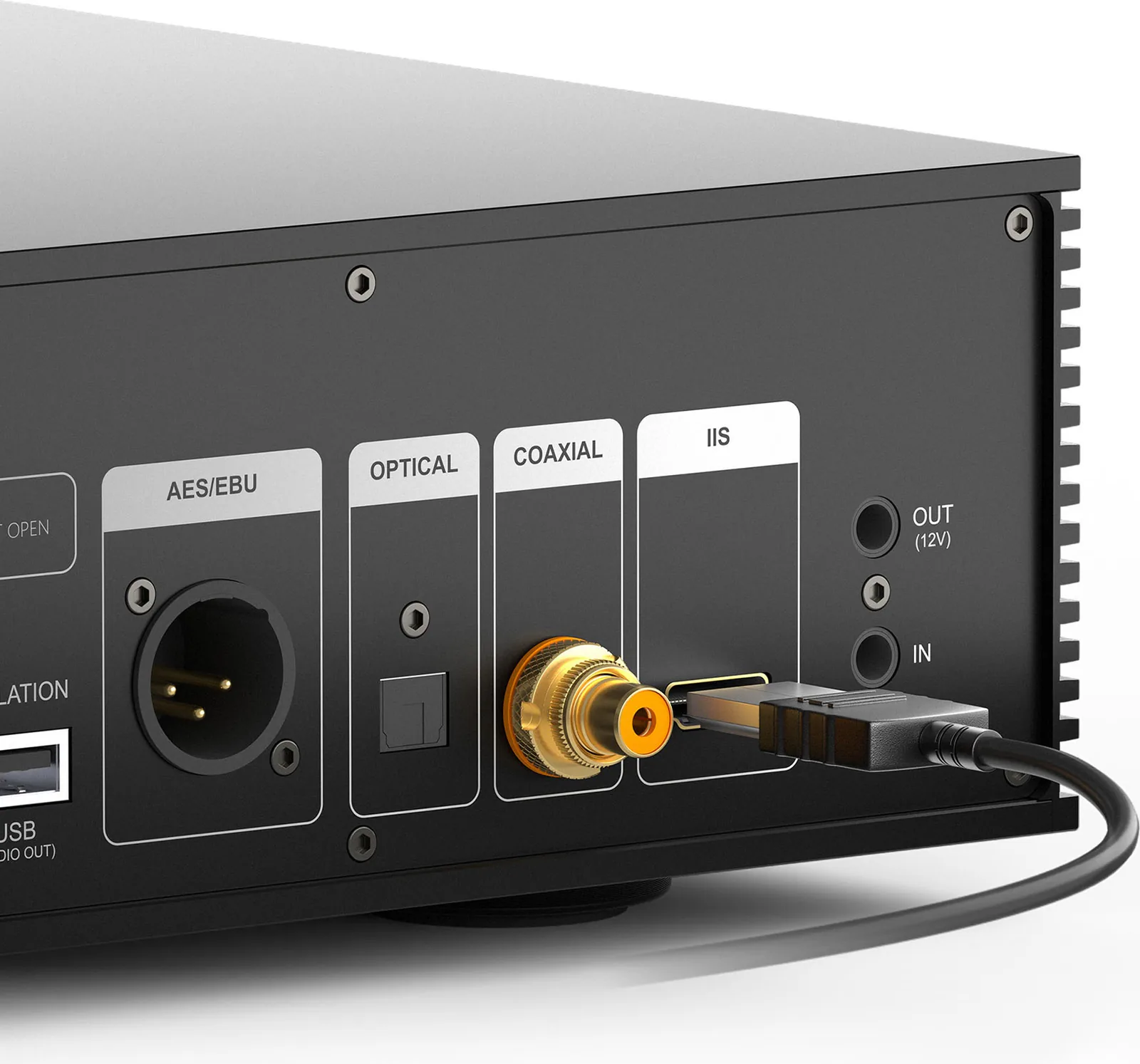
Skip it if you do not already own a converter you like, because on its own it makes no sound at all.
Does Apple Music work on these?
Not as a guarantee on any of them, and Eversolo says so in its own footnotes on two of the three pages. The DMP-A8 Gen 2 lists Apple Music in its Music Services table with no mark against it, then footnotes the section above: built-in streaming services depend on platform certification status and firmware updates. Its T8 page carries the same limit in different words, that the number of integrated services depends on each platform's certification progress and that more arrive through firmware upgrades, and it carries two service lists. The specification table names four services and then trails off; the body copy names nine and does the same. Neither names Apple Music, and the only mention of it anywhere on that page is as a third party app, never a built in service. So the T8 reads as not carrying it, without ruling it out. Odd one out is the DMP-A6 Gen 2: its table carries an asterisk directly after Apple Music, and the only asterisk footnote on that page belongs to a different feature entirely.
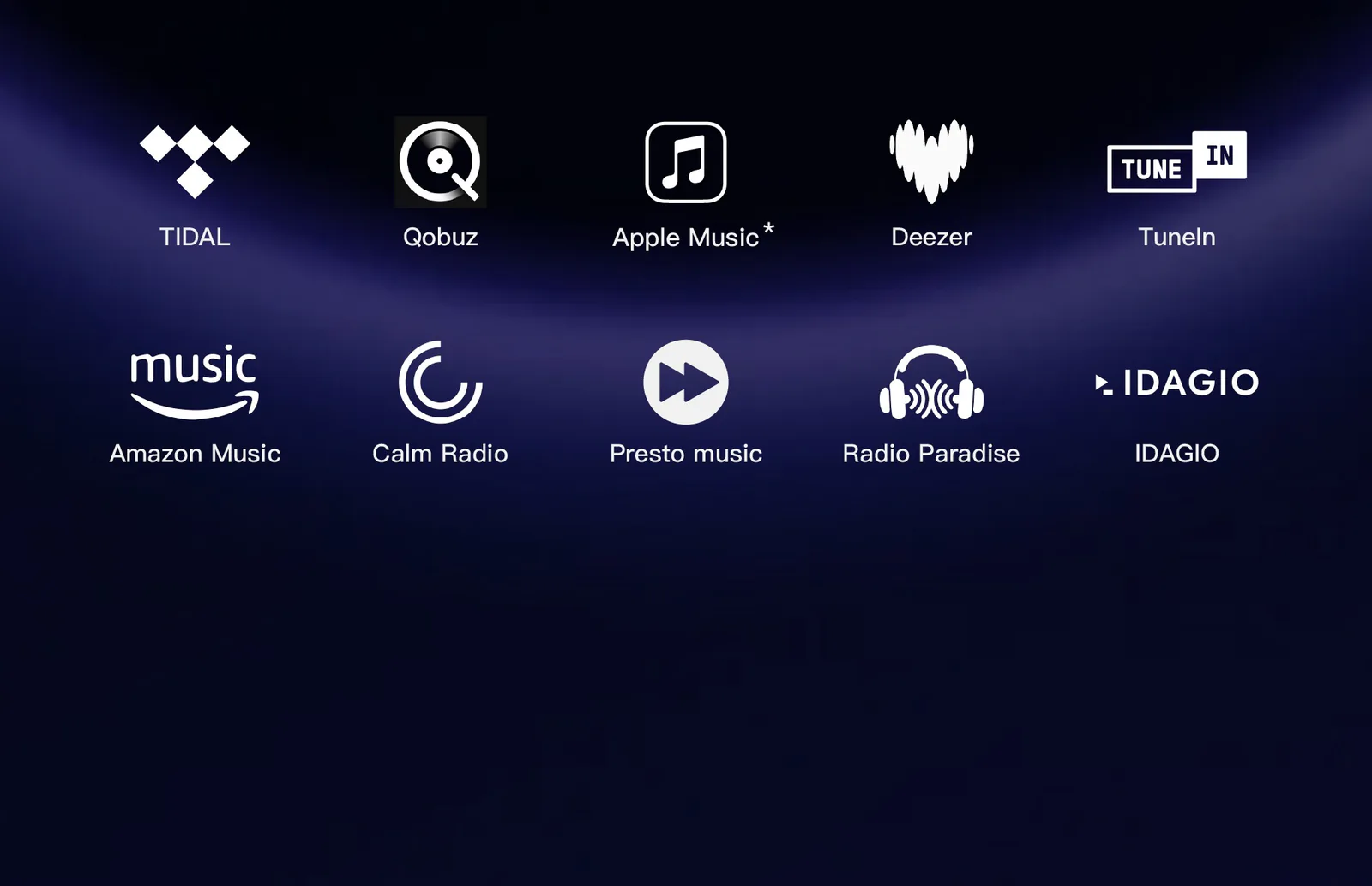
So for the highest demand question on this shelf, a specification table is the wrong place to read the answer. Check the firmware notes for the exact model, because nothing cached here says which services are certified today on any of the three. For the same reason no Apple Music pick and no Tidal pick appear here, though both are declared slots. An unexplained asterisk is not grounds for an award, and on Tidal there is nothing to separate, because all three carry Tidal Connect.
The case against all three
One brand, one shelf. Every pick here is an Eversolo. Call it a weakness, and no coincidence to gloss over: the catalog segment this was measured against is held by that brand and by Gustard units listed under several seller names. A roundup that cannot reach a second manufacturer cannot claim to have surveyed much, and the two empty slots stay empty until one earns a place.
The deeper gap is the one those service footnotes opened. Whether native Apple Music on any of these means a full client, a limited one, or something that arrives in a later firmware is not answerable from a specification table. It is the next thing to establish across the streamers we track before we recommend anything to that buyer. Until then the footnote is the finding, printed as it stands, and everything else on the shelves we cover is held to the same bar.
Questions people actually ask
- Do you need a separate DAC with a network streamer?
- It depends on which one you buy, so settle that first. The DMP-A6 Gen 2 carries two ES9038Q2M converters, which Eversolo describes as processing the left and right channels independently, and the DMP-A8 Gen 2 carries an AK4499EXEQ with an AK4191EQ digital processor, so both connect straight to an amplifier through XLR or RCA. The T8 is a streaming transport. Eversolo lists no converter and no analog output for it, only digital outputs, USB and IIS and AES/EBU and coaxial with isolation stated on each and optical without, so it makes no sound without a DAC downstream, by design. Headfonia puts the same thing from the outside: unlike the DMP series, the T8 needs an additional external DAC in the setup.
- How much music can a network streamer hold?
- More than most libraries need, and the drive is not included. The DMP-A6 Gen 2 has 32 GB of internal storage and one M.2 NVMe slot that Eversolo rates to 8 TB. The DMP-A8 Gen 2 has 64 GB internal with one M.2 NVMe PCIe 3.0 slot, also rated to 8 TB. The T8 takes two drives of up to 8 TB each for 16 TB in total, and Eversolo notes on that page that the drives do not ship with the unit.
- Which of these takes audio from a television?
- The two with converters in them, at the same rating. Eversolo lists an HDMI ARC input on the DMP-A6 Gen 2 and HDMI ARC with eARC on the DMP-A8 Gen 2, both rated at stereo PCM up to 192 kHz and 24 bit, and describes the A8 Gen 2 as returning lossless audio from televisions and projectors. Where they separate is the other direction: only the A6 Gen 2 has an HDMI audio output, rated for native DSD64 and multichannel PCM to 5.1. The T8 specification lists no HDMI audio input or output at all, so a television is not part of what it is for.