xTool MetalFab 1200W vs 800W: Is the Power Worth It
Buy the 800W if a 15 amp, 220 to 240 volt circuit is what your shop has and 4 mm is as thick as you weld or cut, since its wire feeder is already built into the machine. Step up to the 1200W only once a 21 amp or higher, 200 to 240 volt circuit is available, because that circuit, not a firmware unlock, is what actually buys the extra millimeter of weld depth and the deeper cuts.
What decides it: Whether the 1200W's extra weld and cut depth is worth a bigger dedicated circuit and a separate wire feeder box.
We earn a commission on qualifying purchases through the links here, at no cost to you. It never decides what makes the list.
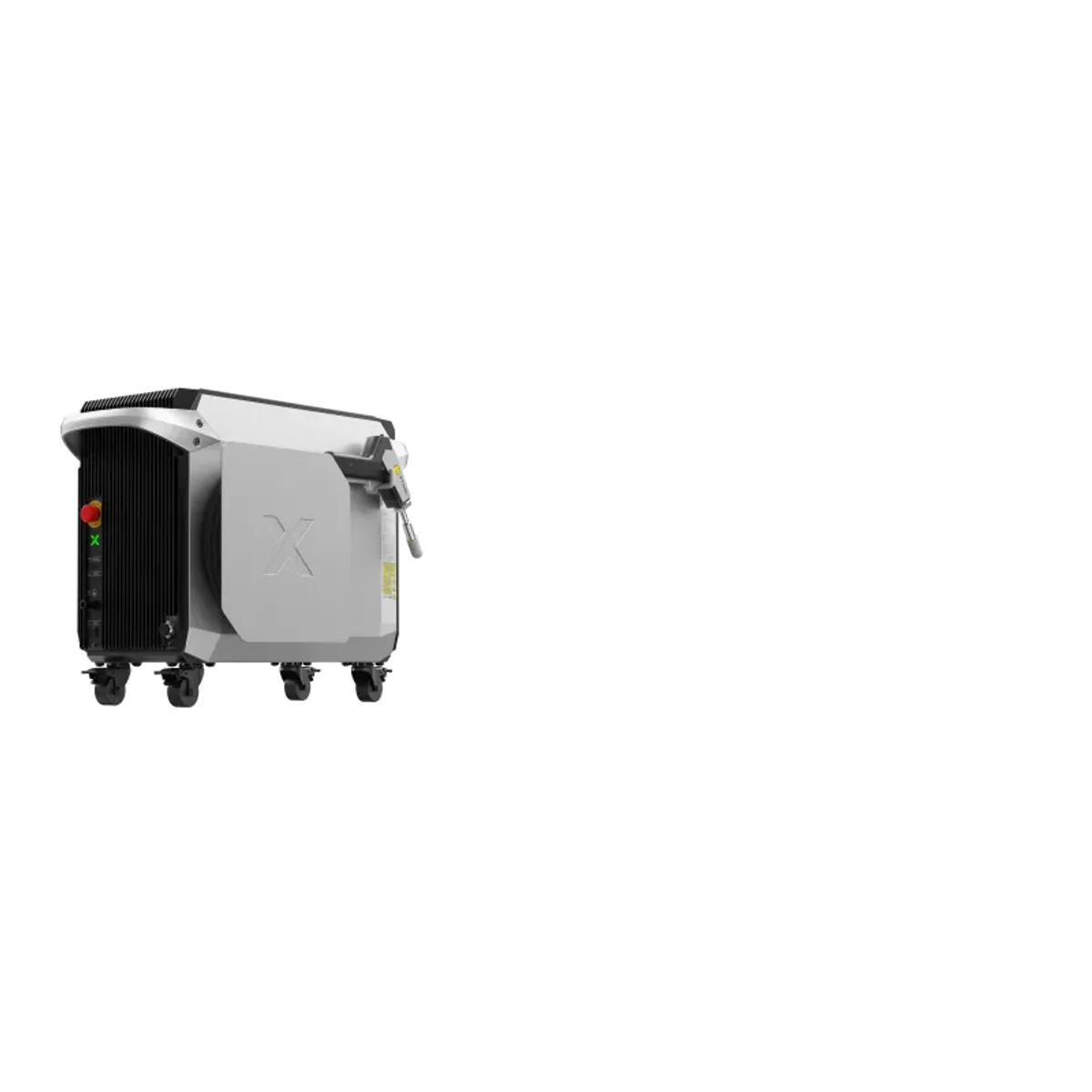
xTool MetalFab 1200W
Pick this if a shop already running 21 amp or higher, 200 to 240 volt service, working stock past 4 mm, that wants the bigger wire feeder's 15 kg spool capacity too.
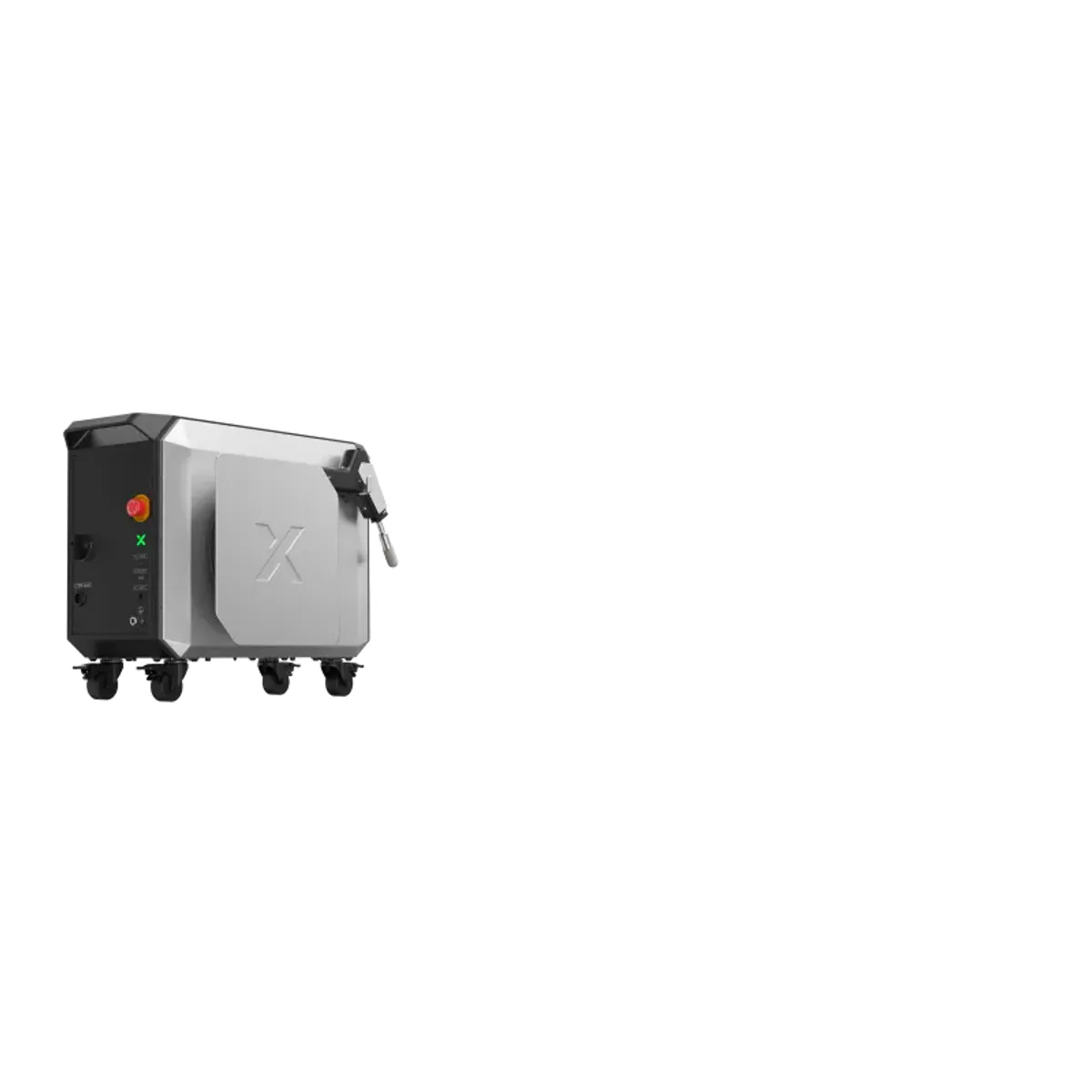
xTool MetalFab 800W
Pick this if a shop on a standard 15 amp, 220 to 240 volt circuit working stock at 4 mm and under, that would rather not find floor space for a second wire feeder box.
Open the spec sheet for either machine and most of the platform matches: same touchscreen, same pair of cameras watching the cutting bed, same laser behind the welding gun. xTool builds one MetalFab and sells it at two power levels. The gap between an xTool MetalFab 1200W vs 800W purchase comes down to four things: how deep each one welds and cuts, what circuit it needs to do it, how big the cabinet actually is, and whether the wire feeder is a box of its own or built into the machine.
xTool MetalFab 1200W vs 800W: what stays the same
Both run the same 1080 nanometer fiber laser in continuous or modulated wave mode, both accept the same four wire diameters, 0.8, 1.0, 1.2 and 1.6 mm, and both feed it at the same 2 to 100 mm per second range. Camera hardware matches too: the 16MP panoramic unit and the close range camera are the same pair on either cabinet, running the same nesting software. Working temperature tops out at 40 degrees Celsius on both, storage at 60, and both specify the identical 10 to 85 percent humidity range. None of that changes when the wattage rating does.
Basis: xTool's own published specifications for both models.
The weld and cut depth gap
Here is where the two machines actually separate. By hand, the 1200W welds up to 5 mm of stainless steel or carbon steel, against 4 mm on the 800W. Handheld cutting spreads the gap wider: 5 mm on the 1200W, 3 mm on the 800W. Paired with the CNC cutting bed the difference holds across every material xTool lists a figure for. Burr free cuts reach 5 mm stainless steel, 4 mm aluminum, 3 mm brass and 10 mm carbon steel or galvanized sheet on the 1200W. Its 800W counterpart tops out at 4 mm stainless steel, 2 mm aluminum, 2 mm brass and 8 mm carbon steel or galvanized sheet. A shop cutting anything past those 800W numbers has one option between these two machines. xTool attaches a real condition to the thickest carbon steel figures on both machines: reaching them needs the double layer nozzle set and oxygen for anything 2 mm and up. The 1200W's 10 mm ceiling is stated for simple patterns under optimized testing conditions. Read it as a best case and not a blanket guarantee.
Basis: xTool's published product specifications and cutting capability FAQ.
The circuit and the power behind it
None of that depth comes free. xTool's own datasheet puts the 1200W's full load draw at 21 amps and specifies a circuit of 21 amps or higher to match, rated up to 4200 W. The 800W actually draws less at full load, 13.5 amps by the same datasheet, yet xTool still specifies a 15 amp or higher circuit for it, rated up to 3000 W. That gap is presumably the same safety margin every continuous load gets over its measured draw. A shop in Europe can run the 800W on a standard 230 volt, 16 amp circuit with no changes, a headroom the 1200W does not offer at either voltage. The cabinet grows to match: 327 by 728 by 512 mm and 38.2 kg for the 1200W against 306 by 632.3 by 472 mm and 31 kg for the 800W. The 1200W's welding head cable runs a full meter and a half longer, at 5 meters against the 800W's 3.5.
Basis: xTool's own published specifications for both models.
One wire feeder, two shapes
Wire feeding folds into the main cabinet on the 800W, so there is nothing extra to bolt on or find a shelf for. Step up to the 1200W and wire feeding moves into its own box instead, a separate unit that xTool ships alongside the welder. That box buys real capacity: a 15 kg spool up to 300 mm across and 105 mm thick, against the 800W's built-in 5 kg spool capped at 200 mm across and 60 mm thick. A shop burning through wire fast enough to notice spool changes gains from the bigger box. A shop that mostly welds short runs is paying for floor space it may never use.
Basis: xTool's own published specifications for both models.
Which one to buy
Start with the breaker panel, not the weld depth chart. A shop that has never measured past 4 mm stainless or carbon steel, and that is not already running a 21 amp, 200 to 240 volt line to the bench, gets the full capability of the 800W with none of the circuit work. Its built-in wire feeder costs no extra floor space either. The 1200W earns its place only where the extra millimeter of weld and the deeper CNC cuts are a real, current job requirement, because that circuit and that second box are real costs that a shop working thinner stock never recovers.
Neither of these machines is a bare fiber laser. xTool sells the MetalFab as one welding, cutting and cleaning platform at two power levels. The MetalFab is not split into separate machines for separate jobs, which is why every number that does not touch depth, current or the wire feeder box lines up exactly the same on both. The wider laser engraver and metal fabrication shelf covers what else sits at this price range, for a shop still deciding whether a MetalFab is the right tool at all.