JET JWBS-18SFX-3 review: 18-inch resaw bandsaw (3 HP)
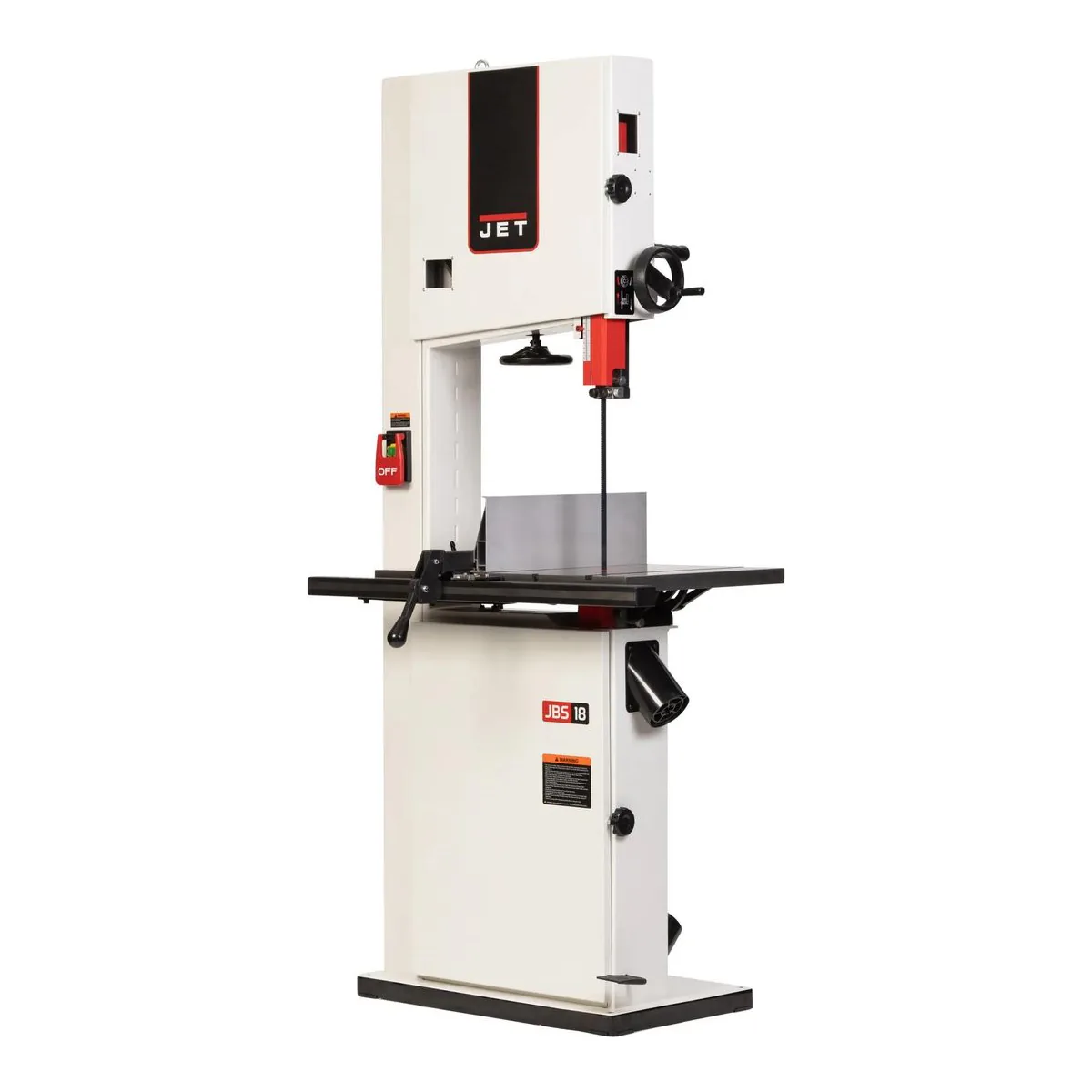
The resaw saw JET's 15 inch model is not, with 16 inches of capacity and a 3 HP motor to use it, but only worth buying with 230 volt service and a 20 amp circuit already in the shop.
- 16 in. resaw height under an 18 in. throat depth
- 3 HP motor on 230 V single phase input power
- Takes a 150 in. blade from 1/8 in. to 1-1/4 in. wide
- Table tilts 45 degrees right and 5 degrees left
- Two 4 in. dust ports, 600 CFM required
We earn a commission on qualifying purchases through the links here, at no cost to you. It never decides what makes the list.
The JET JWBS-18SFX-3 is the saw you buy when a 15 inch bandsaw has run out of resaw. It clears 16 inches of stock under an 18 inch throat, and behind that opening sits a 3 HP motor on 230 volt single phase. The motor turns the resaw number from a line on a spec sheet into something you can feed hardwood through.
That motor is also the reason to stop and check the shop first. It sits near the top of our bandsaw shortlist because as an 18 inch resaw bandsaw goes the capacity is real. But three horsepower means 230 volt service and a dedicated circuit, and a garage on a single 115 volt line cannot run it at all. This is a production frame before it is a hobby one.
Who the JET JWBS-18SFX-3 is for
Wide hardwood, and a shop that already has the power for it. If your week is curves and joinery on stock under six inches, the money here is wasted, and the 15 inch JET JWBS-15 does that work on a standard 115 volt outlet. It earns its place the day you start slicing veneer off a wide board, where the smaller saw's 1.75 HP is the limit the numbers predict.
Resaw: 16 inches under an 18 inch throat
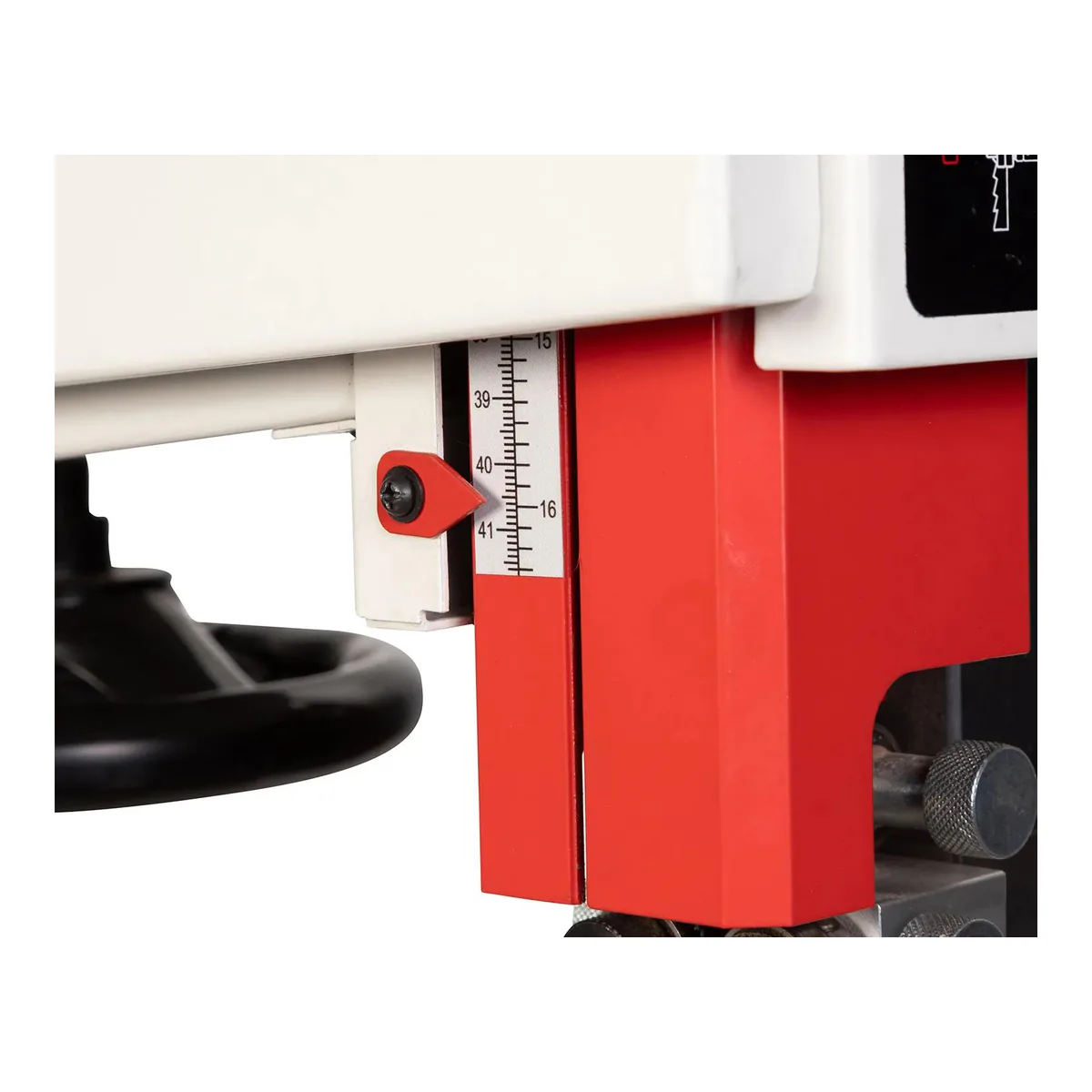
Sixteen inches of resaw is the headline, and on this frame you can use it, because the 3 HP motor is sized to cut that capacity. It is not there to advertise it. An 18 inch throat clears a wide panel past the column, and the blade runs at a single 3100 FPM. There is no riser block in the story here.
That capacity is cast into an 18 inch frame instead of bolted on top of a 14 inch saw. A resaw-first buyer is paying for that difference.
Basis: manufacturer documentation.
The 3 HP motor and the 230 volt circuit
Read the electrical line before anything else. Its motor is 3 HP, single phase, drawing 12 amps at 230 volt, which JET pairs with a recommended 20 amp circuit. A 3 HP bandsaw on a shared 115 volt outlet is not underpowered, it is unusable, so the real question before the saw is whether the shop has a 230 volt line to give it. If it does, the motor is the case for the 18 over the 15: on the numbers it pulls a wide blade through dense hardwood where 1.75 HP would be working at its limit.
Blade, table and dust collection
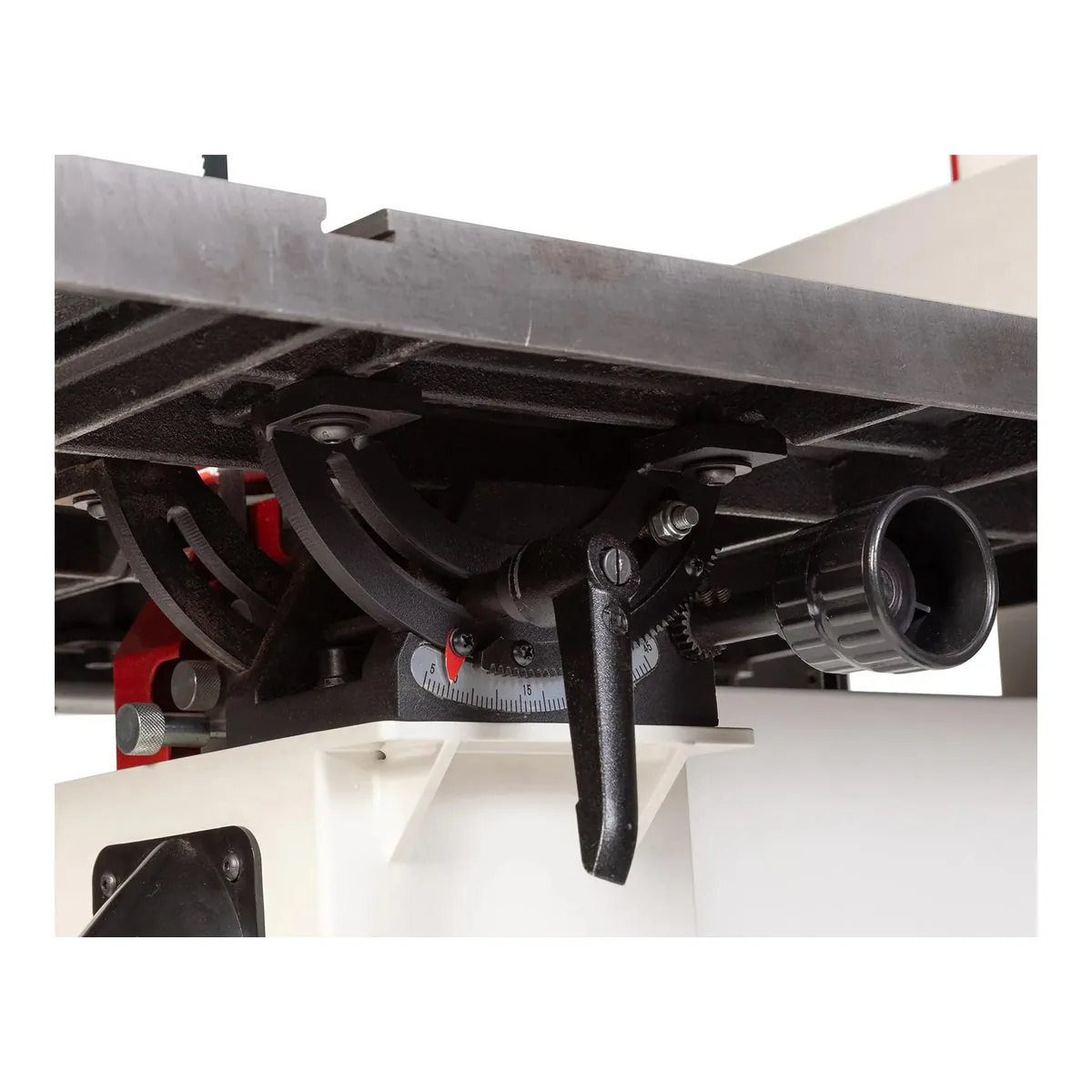
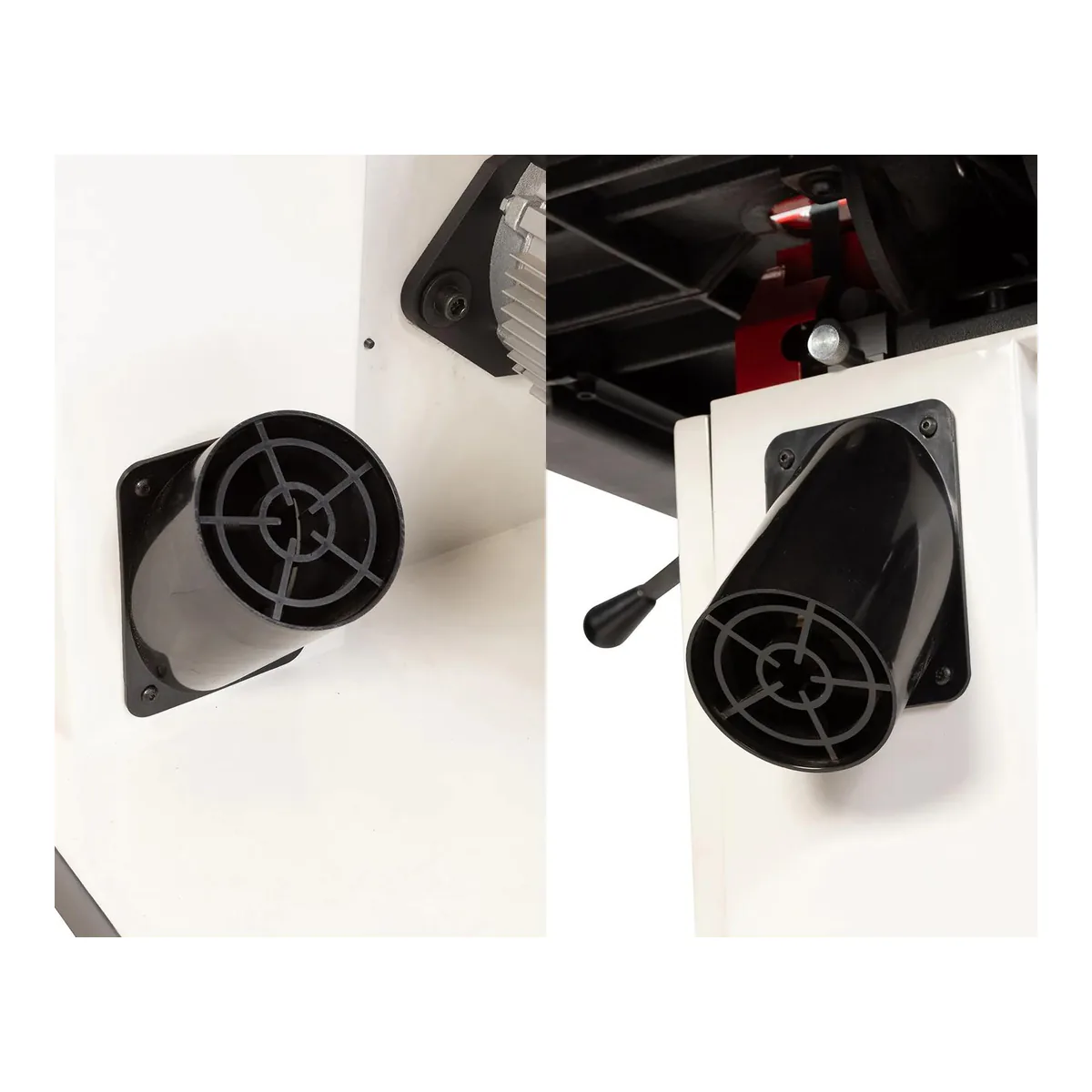
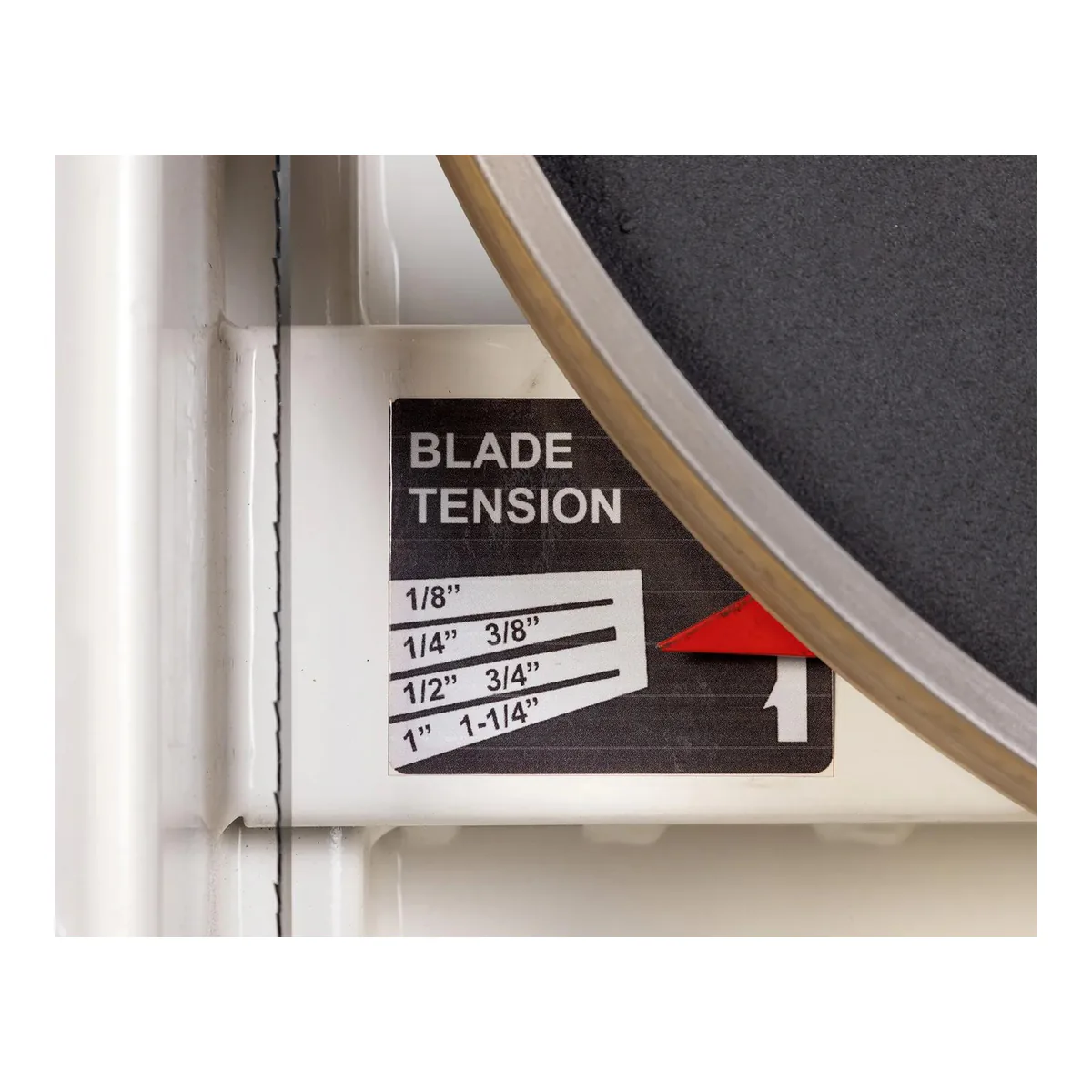
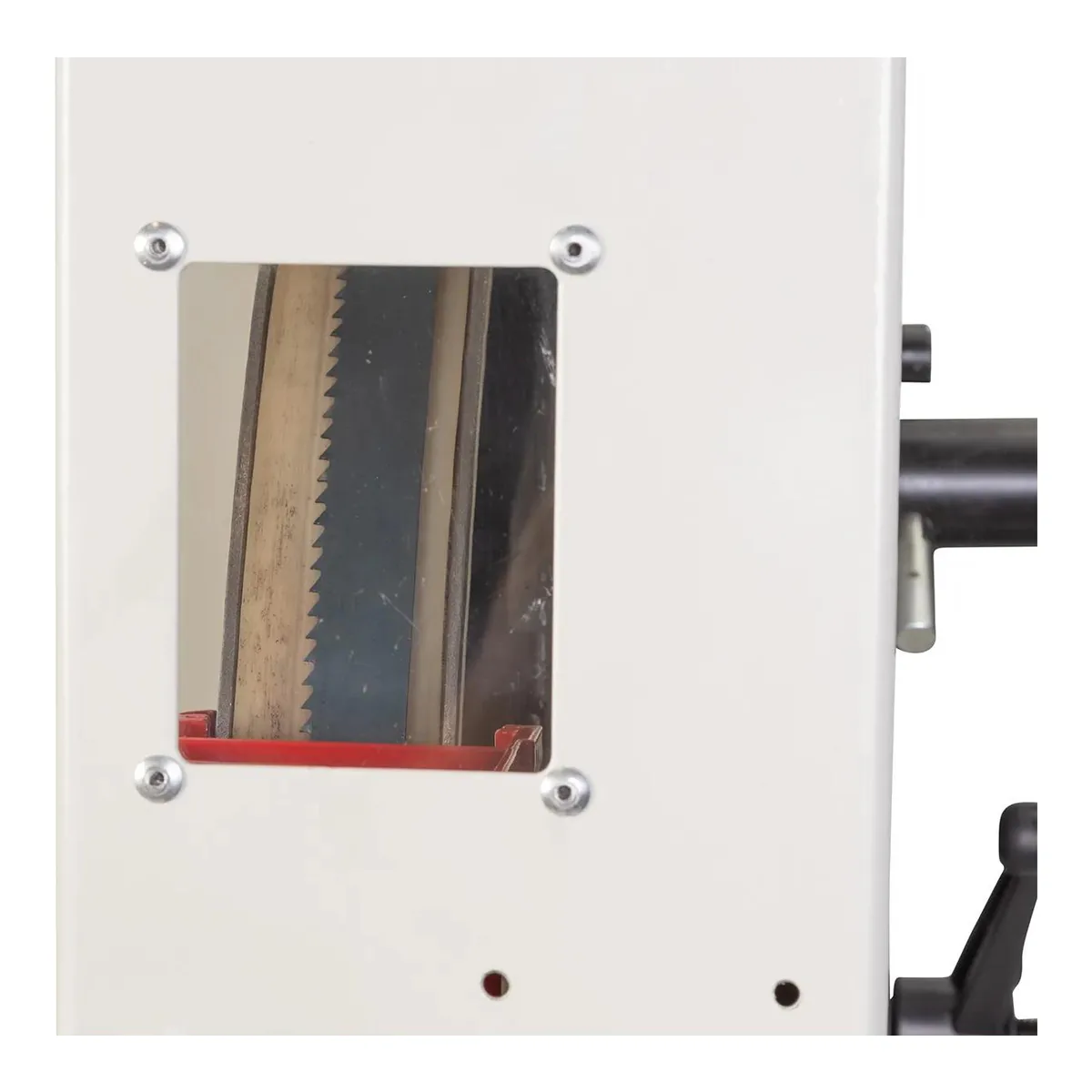
It takes a 150 inch blade and runs widths from 1/8 inch for tight curves up to 1-1/4 inch for resawing, and that 1-1/4 inch top end is part of why the frame earns its weight. Its cast iron table is 27-1/4 by 20 inches and tilts 45 degrees right and 5 degrees left. Dust collection runs through two 4 inch ports, on different panels of the machine, and JET rates the saw at 600 CFM. Treat that as a real number to hit. A shop vacuum will not clear an 18 inch saw's lower wheel, and a 4 inch line to a proper collector will. At 402.6 lb this is a two person move and a mobile base decision before it is a cutting one. Read up on sizing a collector for a saw this big before the machine arrives.
This is a 230 volt bandsaw that assumes you have already solved the shop around it.
Skip it if your shop is on 115 volt
On 115 volt service, or on work that rarely tops six inches of resaw, this is the wrong saw. The 3 HP motor and the 20 amp circuit become capacity you pay for and never use, and the JWBS-18SFX at 1.75 HP or the 15 inch model cover general shop work without the wiring. Owner reporting on this exact model is thin, so what you have read here is the documentation read carefully, and the specs settle it. Step up to the 18 for resaw on 230 volt you already have. Stay smaller for curves, joinery and a single circuit, and if you are still weighing it, the throat and the resaw are two different numbers and the real question is which one you need.
A closer look at the JET JWBS-18SFX-3
Made up your mind?