XGIMI AURA 2 review (WM18P, WM03B): which build you get
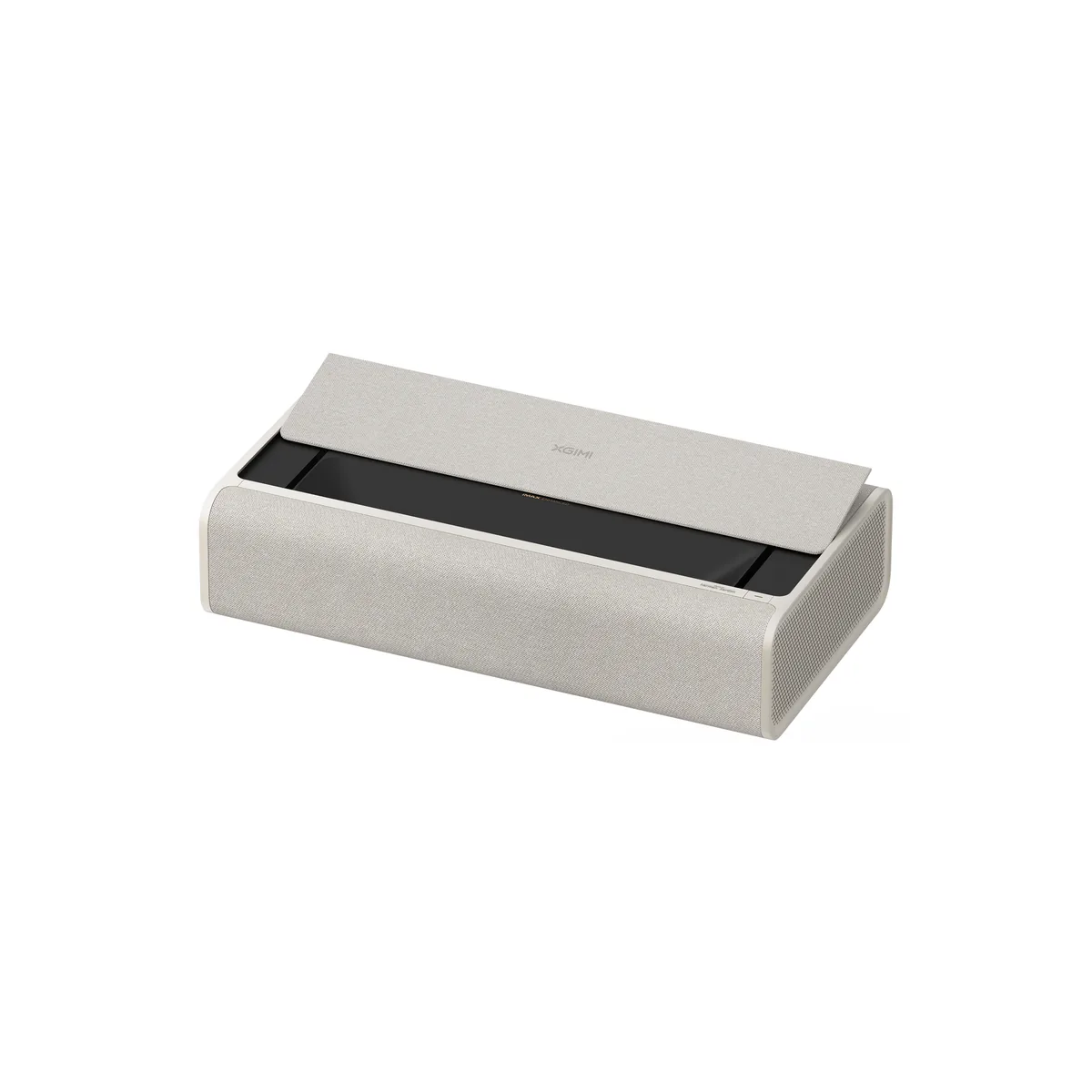
A quiet ultra short throw projector for an evening living room, and the build Amazon sells finally runs Google TV with licensed Netflix. Skip it if you watch dark films, notice DLP rainbows or game at 120Hz, and know that XGIMI is already taking reservations for the AURA 3.
- UST laser projector, DLP with a 0.47 in DMD, 3840 x 2160 standard resolution
- 2300 ISO Lumens, measured to ISO 21118 in Performance Mode
- Throw ratio 0.177:1, image size 90 to 150 inches
- Dolby Vision, HDR10, HLG and IMAX Enhanced
- Ultra-low latency down to 20ms with auto keystone off
- Google TV with 4 GB RAM and 32 GB storage, Model No. WM18P
- 4 x 15W Harman/Kardon 2.0 channel speakers with Dolby Atmos and DTS-Virtual:X
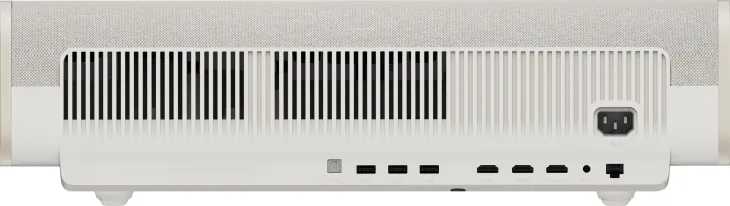
- Three HDMI inputs, one with eARC; three USB, LAN, optical and 3.5mm headphone out
- Wi-Fi 6 and Bluetooth 5.2
- 144 x 510 x 270 mm and 9 kg
- 24-month warranty when bought from XGIMI; the Amazon listing states 1 year
We earn a commission on qualifying purchases through the links here, at no cost to you. It never decides what makes the list.
Two projectors are sold under the name XGIMI AURA 2, and both independent tests we read were written about the other one. PCMag and RTINGS tested the original build, Model WM03B, on Android TV 11. The listing Amazon sells now is the AURA 2 (New), Model WM18P, on Google TV with licensed Netflix, an Arm Cortex-A73 and 4 GB of RAM. XGIMI's page for it reads "Same Stunning Display, Now Powered by Google TV", so the picture findings carry over and the software complaints do not.
This XGIMI AURA 2 review is built on XGIMI's spec pages for both builds, the WM03B user manual, the live listing, PCMag's review with its Bodnar lag readings, and RTINGS' review of a unit it bought, manufactured in August 2024. Owner comments on this model were too few to count.
It is not among the five picks on our UST projector shortlist, and the sections below explain the gap.
Which XGIMI AURA 2 Amazon sells
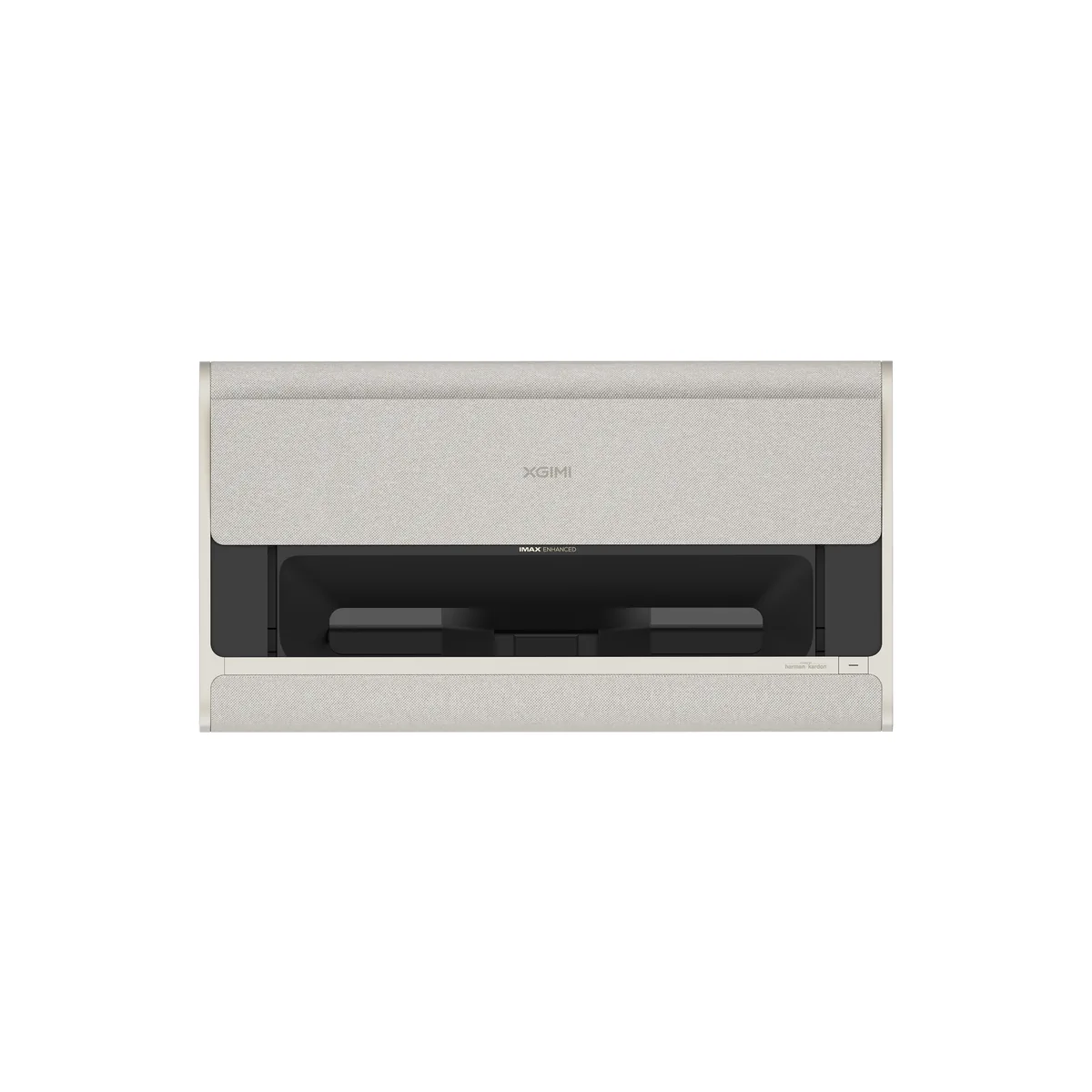
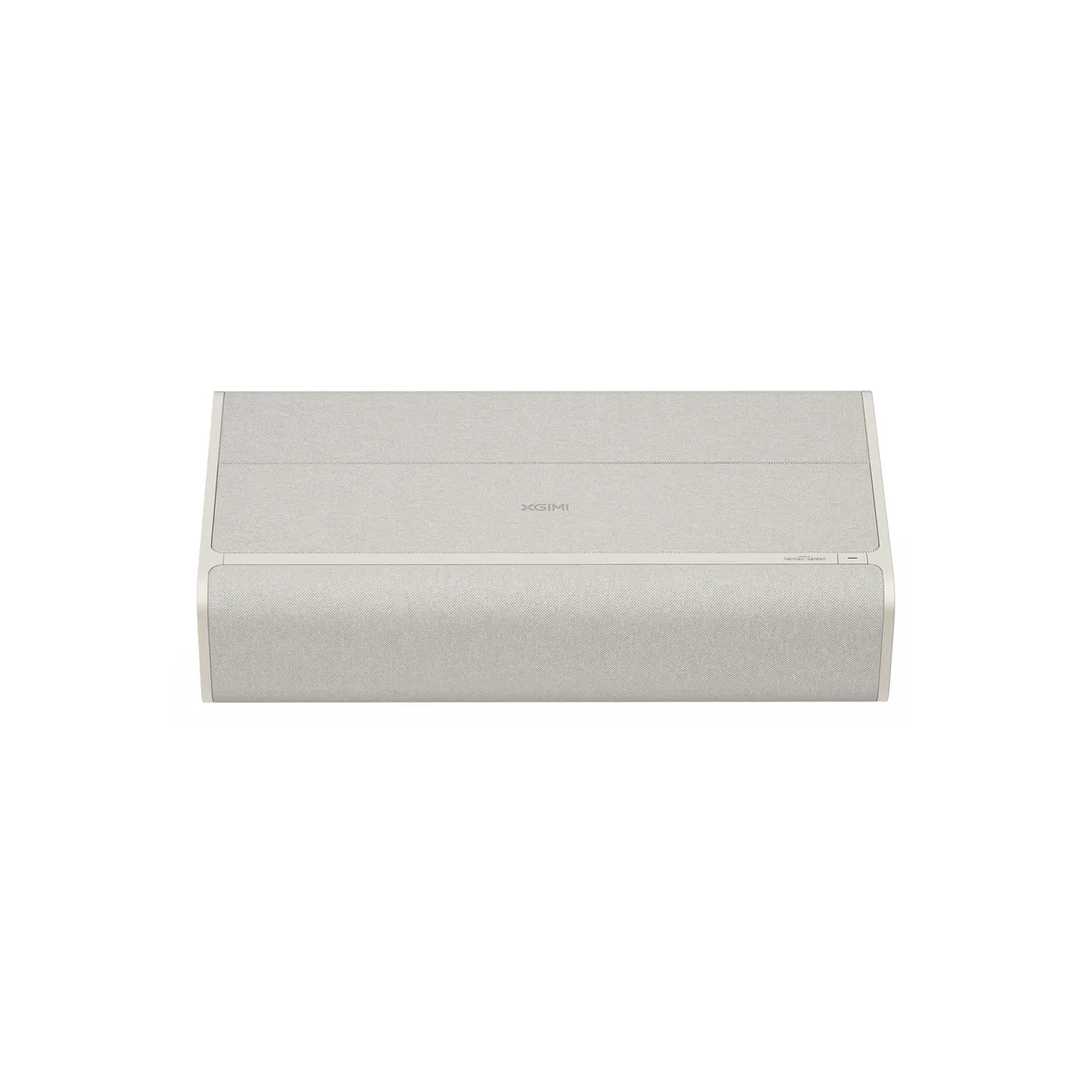
The ASIN behind the button here is the white AURA 2 Google TV build. Its full listing title ends "AURA 2 GTV White", and its bullets name the AURA 2 (New). XGIMI calls the color Moonlight Sand, a light beige fabric. A separate GTV Black listing exists and we have not verified its ASIN.
The build matters more than a menu skin. PCMag's cons list includes "Uses Android TV for streaming rather than the newer Google TV", and the review notes the original lacks a licensed Netflix app. XGIMI's page for the WM18P answers both, and its spec table moves from an Arm Cortex-A55 with 2GB of RAM to a Cortex-A73 with 4 GB. Wi-Fi 6 and Bluetooth 5.2 are on both builds, and the display side is unchanged by XGIMI's own account. So a WM03B from a third party seller is the build PCMag reviewed, picture and software both.
Throw ratio and distance for 100 inches
A 0.177:1 throw ratio. XGIMI's US page puts a 100 inch picture "Just 7 Inches Away", and the manual's throw table gives 17.82 cm at that size. RTINGS adds the ends of the range: a 90 inch image at 5.4 inches out, and 150 inches at 15.3.
No optical zoom and no lens shift, so size and position come from where the cabinet sits. Auto keystone and autofocus handle the rest, and RTINGS credits it with post-movement auto correction. PCMag left the autofocus on and advises avoiding the digital geometry adjustments if you can, because they lower brightness and can add artifacts. They also cost you the fastest game mode, which comes up below.
XGIMI rates the image to 150 inches and still recommends 90 to 130.
Brightness in a lit room
XGIMI rates it at 2300 ISO lumens, measured to ISO 21118 in its Performance Mode, the brightest one. PCMag found it suitably bright for a 130-inch screen with its best quality settings, bright enough for a 100-inch screen in a family room at night with the lights on, and "watchable, though washed out, on an overcast day". RTINGS reaches the same place by another road: very uniform, bright enough to fight some ambient light, and "not ideal for very bright, sun-filled rooms".
That makes it an evening projector.
If the screen faces a window, read the Epson LS800 review first, since it holds the bright room slot on our hub.
Light source and rainbows
Dual Light 2.0 is XGIMI's name for it, and the sources disagree about what is inside. PCMag, attributing it to XGIMI, describes red and blue lasers with the blue laser and a phosphor wheel producing green. RTINGS lists it as LED plus laser.
Either way it is a single chip DLP projector, a 0.47 inch DMD that PCMag says is 1080p native and pixel shifted to 3840 x 2160. Both reviewers saw rainbow flashes. PCMag, who is sensitive to them, says they "showed up often enough to be a potential issue", and RTINGS found no setting to reduce them.
PCMag's answer is to watch it at home before the return window closes, and the Amazon listing carries a 30-day return guarantee.
Contrast and shadow detail
The two tests disagree about dark scenes, flatly. RTINGS calls contrast a strength in a dark room with dark scenes, then watches blacks turn gray in mixed and bright ones. PCMag found contrast good in bright scenes and lacking in dark ones, and says shadow detail "didn't hold well". HDR did not help, and IMAX Enhanced set to Auto made it worse.
For a buyer who watches dark films we weight PCMag's reading, because it names the failure in the scenes that buyer cares about and three projectors with better shadow detail: the Hisense PX3-PRO, the Epson LS800 and the Hisense L9H. Motion is a choice between two flaws. RTINGS found it cannot remove judder from any source, and PCMag found frame interpolation added an obvious video effect even at its lowest setting.
Gaming lag on the XGIMI AURA 2
XGIMI quotes 20ms with auto keystone off. PCMag's Bodnar 4K Lag Tester read 34.9 milliseconds at 4K in low latency mode, which keeps geometry correction, and 18.3ms in ultra-low latency mode, which does not. So set the projector square to the screen and leave keystone alone, or give up half the speed.
PCMag's spec block lists 1080p at 120Hz. RTINGS, whose test covers the supported resolutions, found it limited to 60Hz with no high refresh support, and its lag decent for slower games and sluggish for fast ones. We follow the test. A console player who wants 120Hz should read our Aetherion Max review.
Audio out and the ports
Four 15W Harman/Kardon speakers with Dolby Atmos and DTS-Virtual:X, which PCMag found "easily filling a large family room". To add a receiver, the manual labels the first HDMI input as the eARC port. Optical, a 3.5mm headphone jack and Bluetooth are the other routes out, beside three USB ports, LAN and Wi-Fi 6. RTINGS rates the fan quiet, and XGIMI rates it at 32dB or less from 1 meter in its own lab.
3D needs a caveat. XGIMI lists frame packing and side by side. PCMag found only side by side and top and bottom in the menus, and 3D did not work with its Blu-ray player.
The screen it needs, and the one to wait for
The box carries the projector, a power plug, the remote, two AAA batteries, the manual and a warranty card. No screen. XGIMI sells its 100 inch UST ALR screen separately and claims a 1.4x brightness boost on it without saying against what. RTINGS still keeps the projector out of sun-filled rooms.
Then there is timing. The XGIMI UST projector line has a successor on the way, and XGIMI is taking reservations for the AURA 3 Pro and AURA 3 Max, rated at 4,100 and 5,700 ISO lumens, with 4K 120Hz playback and a dual dynamic iris, and its page says shipping is expected to begin in December through a Kickstarter launch. A buyer who games at 120Hz or fights a bright room has a reason to wait. Everyone else can compare the rest of the ultra short throw projectors on one page.
A closer look at the XGIMI AURA 2 (New)
Made up your mind?