Emporia EV Charger review: the 48 amp J1772 Level 2 pick

The Emporia Level 2 EV Charger is the easy J1772 pick for a non-Tesla EV, a well certified 48 amp box whose main compromises are a heavy cable and load management that costs extra rather than coming built in.
- Level 2 EV charger with a J1772 connector
- 48 amp charging on a 240V circuit
- 25 ft charging cable
- Hardwired with a whip, WiFi enabled
We earn a commission on qualifying purchases through the links here, at no cost to you. It never decides what makes the list.
Match the plug to the port on your car and the Emporia EV charger is an easy recommendation. This is the J1772 version of the Emporia Level 2 EV Charger, so it fits most non-Tesla EVs on the road today, and it charges at up to 48 amps once an electrician hardwires it to a dedicated circuit. What you get is a plain, well certified box that fills a car overnight, from a brand that has built home energy hardware long enough that owners of Emporia's chargers report years of daily use.
Emporia sells this as a Classic and a Pro, and the Classic in either a J1772 or a NACS connector. This review is the J1772 Classic, the plain one. If you are weighing the hardwired install against a plug, the hardwired against plug tradeoff is its own page, and the best level 2 EV charger shelf sets this one beside its rivals.
Which EVs the J1772 connector fits
Most of them. J1772 has been the standard Level 2 connector in North America for years, so a Chevrolet, Ford, Hyundai or Rivian plugs in with no adapter. Check your own car first, though, because those same brands have started shipping the Tesla-style NACS port on newer models, and a NACS car needs the NACS version of this charger or an adapter on the handle. Emporia sells that NACS variant beside this one. Buy the connector your car has today and keep an adapter as a fallback, not a plan, a call the connector decision walks through in full.
48 amps, and only when it is hardwired
The Emporia charger delivers up to 48 amps hardwired, and 40 amps if you run it from a NEMA 14-50 plug. That gap is the install decision. The 48 amp hardwire needs a dedicated 60 amp double pole breaker, while the 40 amp plug path needs a 50 amp breaker and an outlet actually rated for the job. Emporia says outright that a standard 14-50 receptacle is not, and calls for an industrial-grade, 50 amp, continuous-duty outlet from a maker like Hubbell or Leviton. Basis: manufacturer documentation. Whether you need 48 amps at all is a separate question, because most EVs cap their onboard charger lower, and the 40 against 48 amp page settles it against your own car.
Is the Emporia EV charger built to last?
Yes, on the evidence that exists. Tom Moloughney's State of Charge, the closest thing home charging has to an independent bench, tested the Emporia and rated it among the best it has run, and the unit carries the EV supply listings that matter, UL 2231 and UL 2594 among them, plus a built-in GFCI and a 3 year warranty. Owner reports come second, and they back it up. Owners report multi-year service from Emporia's chargers, one of them five years in and another explicitly on the original model and not this Classic, so treat the longevity as the brand's track record more than this unit's. Handling is the recurring gripe, and reliability is not. Emporia rates the shell weatherproof for an outdoor wall as well as a garage. Basis: State of Charge's published test, manufacturer documentation, and counted owner comments.
The cable is thick, and that is the tradeoff for 48 amps
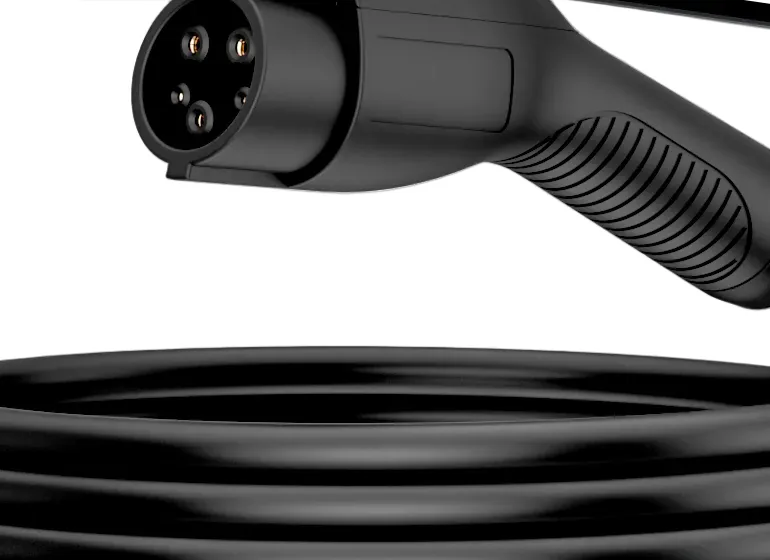
The 25 ft cable reaches across a two car garage, which is the length you want. It is also heavy and stiff, because a 48 amp conductor has to be. One owner wished it were thinner, while another preferred it to the flimsy thin cord on a previous charger. A third explained the physics: the cable is thicker to carry the amperage of the hardwired version. If you coil and uncoil a cable every night, this is what you will notice. It is also a fair reason for a driver whose car tops out at 40 amps to take a lighter 40 amp charger instead.
What the app does, and what it leaves to the Pro
The Classic is not featureless. Its free app schedules charging for off peak utility hours and logs each session, which is most of what a home charger's software is for. The base Classic does not manage a tight electrical panel or chase solar, but only one of those is a reason to change models. Panel load management is a paid add-on: Emporia sells PowerSmart for the Classic and names the exact tight-panel case, a panel that cannot spare a full 60 amp circuit, as when to buy it. Solar is the real dividing line, because excess-solar charging lives on the Pro. The owners who bought a Classic for solar say so, one warning against it outright if soaking up surplus solar is the point. So add PowerSmart to the Classic for a tight panel, step up to the Pro for solar, and take the plain Classic if neither is you.
Before you buy
Do three checks, in order.
Confirm your car's port is J1772 and not NACS. Confirm your car can actually pull 48 amps, so you are not paying for a 60 amp circuit it will never use. Confirm whoever installs it is quoting a dedicated breaker, and an EV rated outlet if you take the plug route. Get those three right and the Emporia charger is the straightforward J1772 pick this shelf is built around.
A closer look at the Emporia Level 2 EV Charger
Made up your mind?