Best level 2 EV charger: picks by connector and install
The best level 2 EV charger is decided by two things: your car connector and whether you hardwire it or run it off a plug. Four picks, one per corner.
We earn a commission on qualifying purchases through the links here, at no cost to you. It never decides what makes the list.
The picks
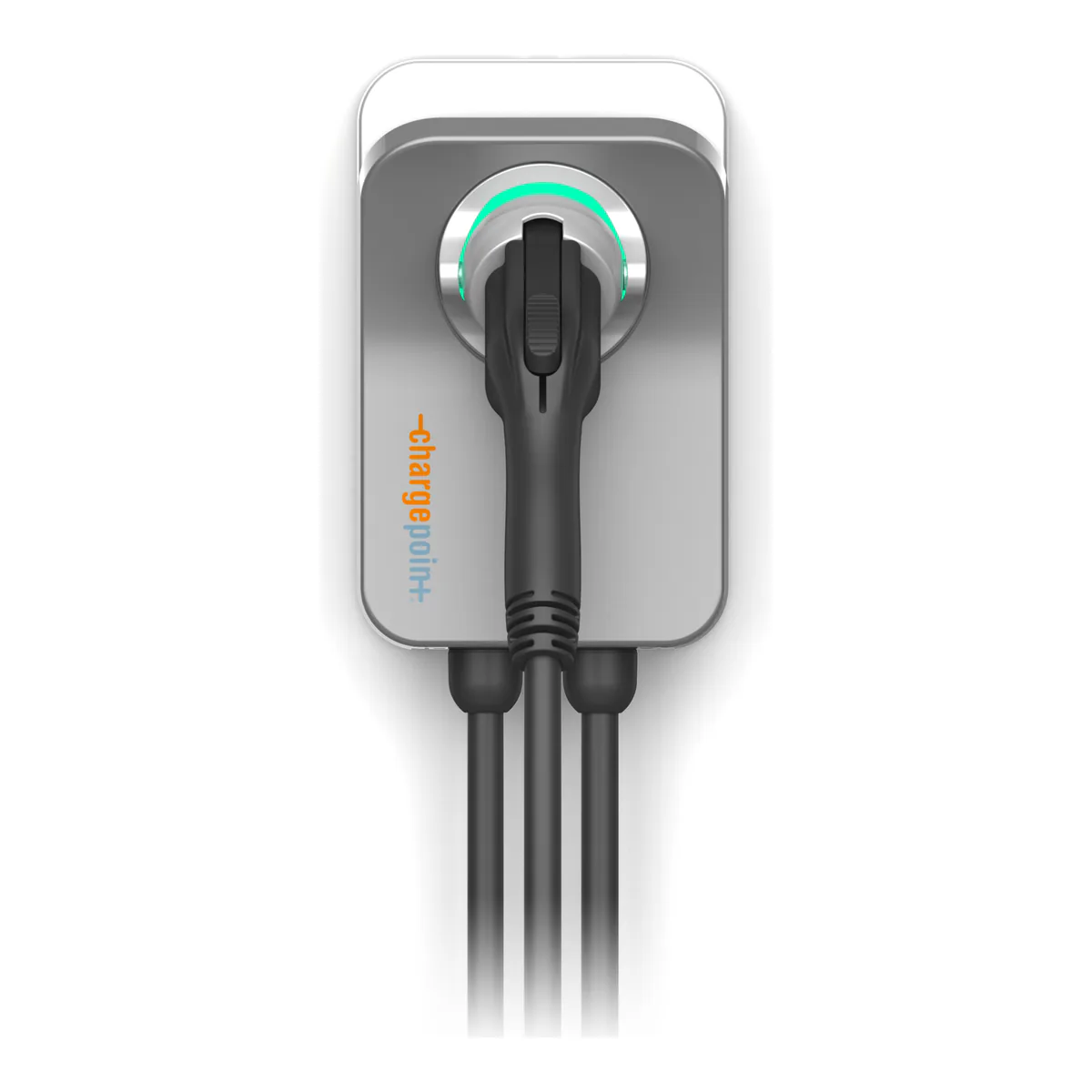
Best level 2 EV charger for home
ChargePoint Home Flex
Hardwires for up to 50 amps on almost any breaker, comes in a J1772 or a NACS version, and carries the UL and ENERGY STAR listings utility rebates ask for.
- Level 2 EV charger with a J1772 connector, also sold in a NACS version
- Hardwired, six settings from 16 to 50 amps on a 20 to 80 amp breaker
- 23 ft cable, Type 3R enclosure, UL listed and ENERGY STAR certified

Best level 2 EV charger for a Tesla
Emporia Level 2 EV Charger NACS
A native NACS plug that goes straight into a Tesla with no adapter, at 48 amps, from a brand that stands behind its NACS unit.
- Level 2 EV charger with a NACS connector, compatible with Tesla
- 48 amp charging on a 240V circuit
- 25 ft charging cable

Best J1772 level 2 EV charger
Emporia Level 2 EV Charger
The J1772 plug for a non-Tesla EV with a J1772 port, at 48 amps on a 25 foot cable, hardwired with a whip.
- Level 2 EV charger with a J1772 connector
- 48 amp charging on a 240V circuit
- 25 ft charging cable

Best NEMA 14-50 level 2 EV charger
ChargePoint Home Flex
The plug-in Home Flex for a garage that already has a 14-50 outlet, delivering 40 amps with no electrician needed for the charger itself.
- Level 2 EV charger with a J1772 connector
- 40 amp charging on a NEMA 14-50 plug
- WiFi connected through the ChargePoint app
The best level 2 EV charger is not really a question about the charger. It is a question about two things you settle before you shop: which plug your car takes, and whether you will hardwire the unit or run it off an outlet. Get those two right and almost any UL listed box on a correctly sized circuit will fill your car overnight.
So the picks follow the way the decision actually splits. J1772 is the plug on non-Tesla EVs with a J1772 port. NACS is the Tesla plug the rest of the industry is moving to. Hardwiring gives you the full amps and sidesteps an outlet's headaches, while a plug goes in faster and caps lower. Four picks, one for each corner you might be standing in, and only two brands, because on a shelf this young those are the two whose paperwork and support hold up.
How these picks are built
Every number here is read off the maker's own spec sheet and the current listing, and the electrical figures are the ones the National Electrical Code sets, because on this shelf the circuit decides the install more than any feature does. The awards are built from that documentation, with no bench test behind them, and how the awards work covers the rest.
The four on one axis
| Pick | Connector | Max amps | Install | Circuit | Listed |
|---|---|---|---|---|---|
| ChargePoint Home Flex, hardwired | J1772 | Up to 50 A | Hardwired | 20 to 80 A | UL, ENERGY STAR |
| Emporia Level 2, NACS | NACS | 48 A | Hardwired with whip | 60 A for 48 A | UL 2231 |
| Emporia Level 2, J1772 | J1772 | 48 A | Hardwired with whip | 60 A for 48 A | UL 2231 |
| ChargePoint Home Flex, 14-50 plug | J1772 | 40 A | NEMA 14-50 plug | 40 or 50 A outlet | UL, ENERGY STAR |
Basis: manufacturer documentation. The one row worth reading twice is the last one. A NEMA 14-50 plug caps the charger at 40 amps whatever the unit is rated for, so the plug picks and the hardwired picks are not the same charger at different prices. They are two different amp ceilings, and the ceiling is set by the outlet.
Best level 2 EV charger for home: ChargePoint Home Flex
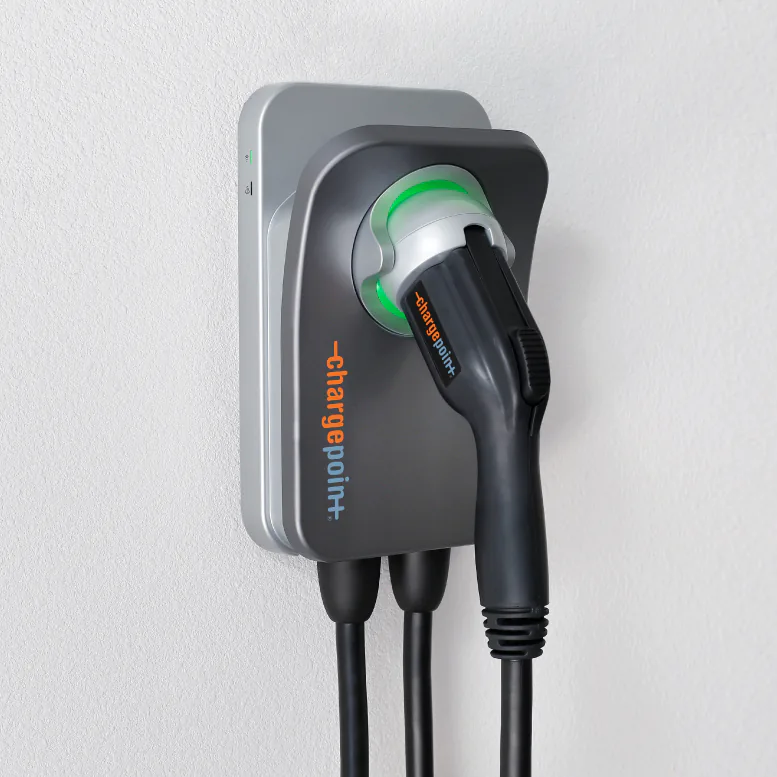
Buy this one if you want the safe default and are having an electrician out anyway. Hardwired, the Home Flex delivers up to 50 amps and works on any breaker from 20 to 80 amps, so it fits a modest panel and a generous one without a second thought. It ships in a J1772 version and a NACS version, so you choose the connector to suit the car, and it carries both the UL listing and the ENERGY STAR mark that most utility rebate forms want to see. Skip it if your garage already has a NEMA 14-50 outlet and you would rather not pay to hardwire, because the plug version further down reuses that outlet for less trouble. If you are still weighing the two, the hardwired against plug-in tradeoff is its own page, and our ChargePoint Home Flex review has the breaker table and what owners report about its Wi-Fi.
Best level 2 EV charger for a Tesla: Emporia Level 2 EV Charger NACS
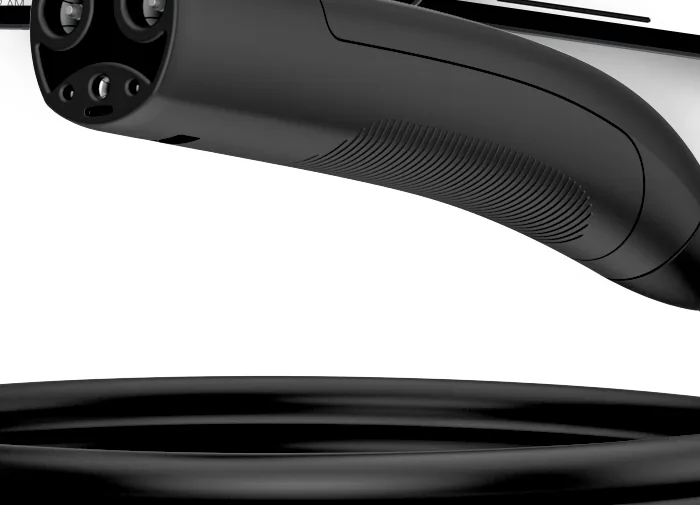
For a Tesla, or any of the growing list of cars shipping with a NACS port, this one plugs straight in with no adapter hanging off the handle. It runs 48 amps on a hardwired whip, carries the UL 2231 listing, and comes from a brand that stands behind its NACS unit. The flatter two pin head in the picture is why it exists. Skip it if you drive a non-Tesla EV, because your plug is J1772 and the next pick is built around it. If your car is a Tesla but your existing charger is J1772, an adapter is sometimes the smarter buy than a second unit.
Best J1772 level 2 EV charger: Emporia Level 2 EV Charger
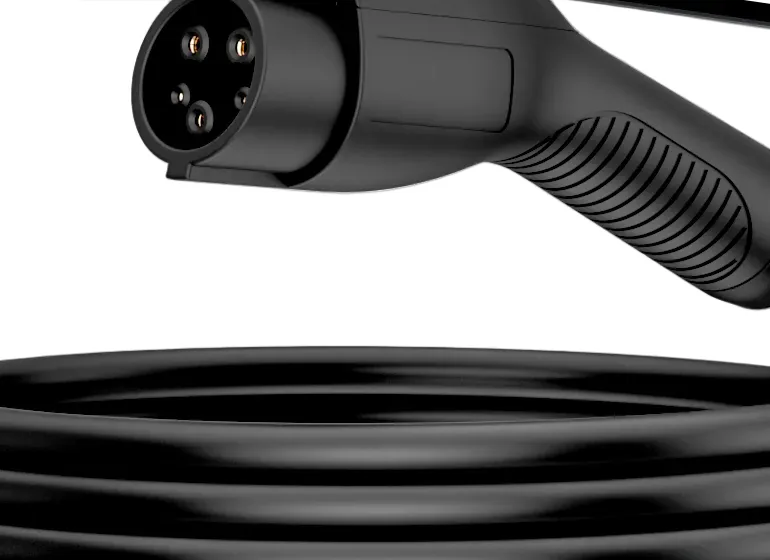
A non-Tesla EV with a J1772 port charges through this plug, and this is a clean way to feed it. You get 48 amps, a 25 foot cable that reaches across a two car garage, and a hardwired whip you tuck behind the unit. The five pin face in the picture is the standard your car was built for. Skip it if you drive a Tesla, in which case the NACS version above saves you the adapter, or if your panel runs GFCI breakers, because this charger has its own GFCI and the two can nuisance trip each other. Whether you even need its full 48 amps is worth settling before you size the circuit at all, and our Emporia review lists its built-in GFCI and covers what owners report.
Best NEMA 14-50 level 2 EV charger: ChargePoint Home Flex plug
Buy the plug-in Home Flex if the garage already has a proper 14-50 outlet, because then the charger itself needs no electrician. It is the same unit and the same app as the hardwired pick above, with a plug on the end instead of a whip. The tradeoff is the ceiling. A 14-50 caps it at 40 amps, where hardwiring the other Home Flex reaches 50. You are buying convenience here. The fastest possible charge is the hardwired unit's. Skip it if your panel uses GFCI breakers, since the outlet path is where the nuisance tripping lives, or if you want every amp your car can take, which only hardwiring delivers.
What actually decides the install
The outlet is the part people underbuy. A 14-50 that a range or a dryer has used for years is not the same duty as an EV charger pulling near its ceiling for hours a night. A plug-in install wants an industrial grade, 50 amp, continuous duty rated receptacle, and a basic one will not do. Get that wrong and the outlet, not the charger, is what fails.
Then there is the circuit itself, and the rule is simple arithmetic once you know it. A 40 amp charger needs a 50 amp breaker and a 48 amp charger needs a 60 amp breaker, because the code sizes a continuous load above its draw. That single step is the difference between the plug picks and the hardwired ones, and the 40 against 48 amp page walks the whole chain if your panel is tight on spare capacity.
The last trap is GFCI. Recent code wants a GFCI breaker on any 14-50 or 6-50 circuit, but these chargers already have their own GFCI built in, so the two protections can fight and trip the circuit for no real fault. Hardwiring is not held to the same outlet rule, and that quietly explains why an electrician will often steer you to it even when a plug looks easier.
Measure the run from your panel to where the car actually parks before you order anything, because conduit and cable length shape the quote as much as the amps do. The connector you need is set by the car, the amps you need are set by how far you drive between charges, and the install is set by what your panel and your garage already have. Answer those three in order and the pick above almost names itself.