Sony a7 V review: the all-rounder with a 120p catch
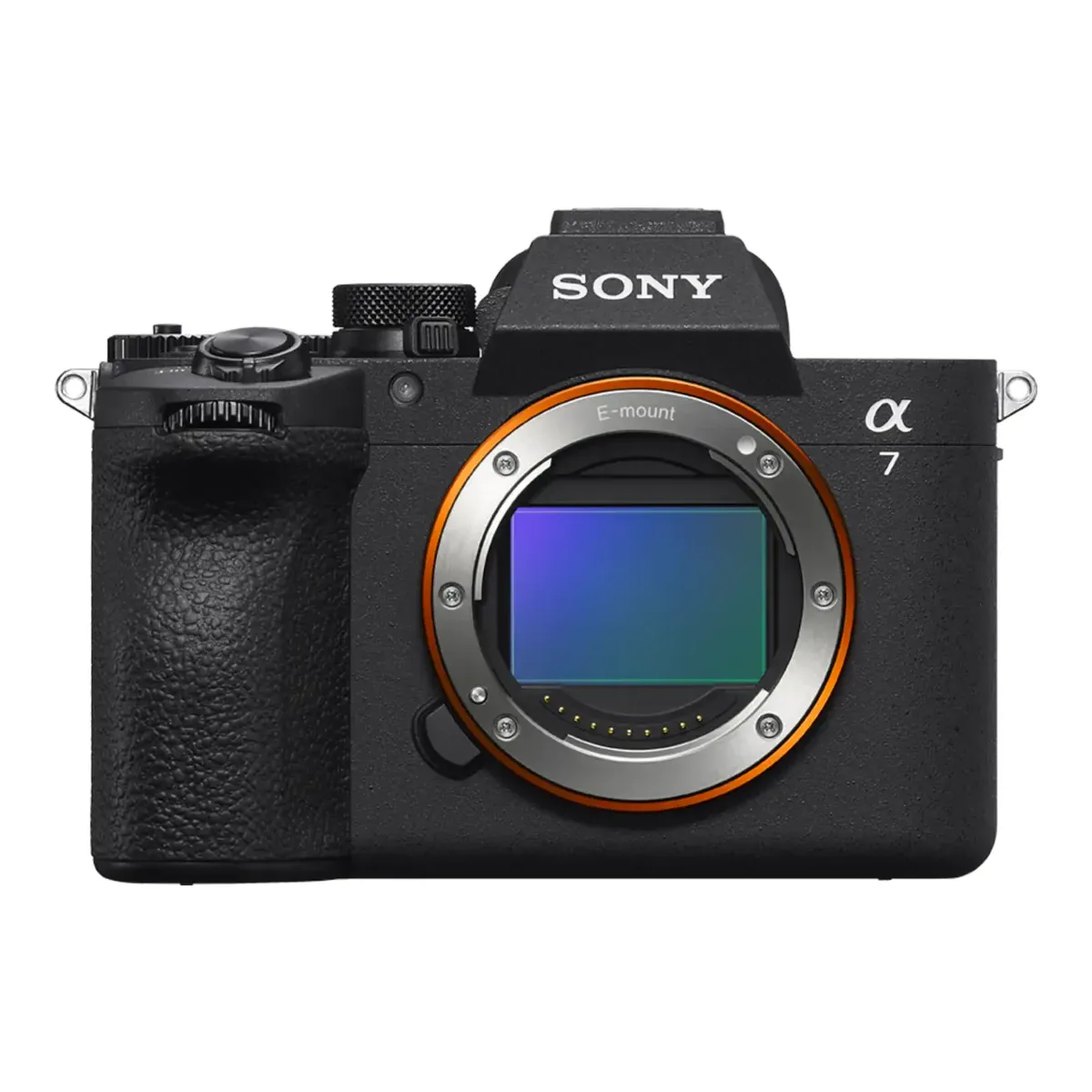
The all-round full-frame body to buy when you shoot a little of everything and want one camera for years, with strong battery life and fast, wide autofocus. Skip it if full-frame 4K 120p or an open gate mode is central to your work, since the a7 V crops for 120p and has neither.
- Full-frame partially stacked Exmor RS CMOS sensor with approximately 33.0 effective megapixels
- BIONZ XR2 processing engine with an integrated AI processing unit
- 5-axis in-body stabilization rated at 7.5 stops at the center and 6.5 at the periphery, to CIPA 2024 with the FE 50mm F1.2 GM
- 759 phase-detection AF points covering approximately 94 percent of the image area
- Blackout-free bursts up to 30 fps on the electronic shutter, 10 fps on the mechanical
- 4K 60p oversampled from 7K with full pixel readout; 4K 120p only in APS-C/Super 35mm mode
- NP-FZ100, approximately 630 shots through the viewfinder or 750 on the LCD, CIPA standard
We earn a commission on qualifying purchases through the links here, at no cost to you. It never decides what makes the list.
Buy the Sony a7 V if you shoot a bit of everything and would prefer not to think about the camera again for years. It is the body that does stills, video, autofocus and battery life all well at once, without the single glaring weakness most cameras ship with. The catch is a video spec its own marketing leads with, and it lives in a footnote: the 4K 120p mode only works with the sensor cropped.
That footnote aside, the a7 V earns the overall slot on our mirrorless camera picks. The read here comes from Sony's own specification tables, Digital Camera World's hands-on review, and 402 people who comment under a7 V videos, each one read in turn.
The Sony a7 V specs that matter
Two things carry this camera: the sensor and the autofocus. A 33.0 megapixel partially stacked Exmor RS feeds a BIONZ XR2 processor with a dedicated AI unit, fast enough for blackout free bursts at 30 frames a second on the electronic shutter, or 10 on the mechanical. Autofocus spreads 759 phase detection points across about 94 percent of the frame. Stabilization is rated at 7.5 stops at the center, though that is Sony's CIPA 2024 figure measured with a 50mm F1.2 lens, so take it as a best case and not a daily promise. These are the sony a7 v specs that decide a purchase, and they hold up.
The Sony a7 V 4K 120p catch
Here is the footnote in full.
The sony a7 v 4k 120p mode records only in APS-C/Super 35mm mode, with a reduced angle of view, so your wide lens stops being wide the moment you reach for slow motion. The rest of the video is strong: oversampled 4K 60p pulled from a 7K readout, at the full frame width. If 120p at the full angle of view is why you are buying, this is the wrong body.
Sony a7 V rolling shutter, and the fault that showed up
Here the test and the owners disagree, which is worth laying out. Digital Camera World found the sony a7 v rolling shutter very well controlled, with high-speed trains staying upright instead of skewed in its footage. One owner who has run the camera since the new year is less sold: "The rolling shutter is still a real issue", a complaint scoped to fast electronic-shutter shooting where the high frame rates live. The sensor is partially stacked, which Sony rates at about 4.5 times the readout speed of the a7 IV it replaces, quick, but not as fast as a fully stacked chip.
Reliability is a brighter story. Among the 402, one body failed and Sony replaced it, the owner reporting "They said the problem was with the main board", with replies tying it to CFexpress cards. Nobody reports overheating.
No open gate recording
One feature is simply missing, and the reviews flag it too. Ten separate commenters note the a7 V has no open gate mode, the full sensor 3:2 video mode a rival Canon body makes a headline of, and Digital Camera World calls the video specs held back against rivals, with no open gate, 4K as the ceiling, and no internal RAW. If you crop a single take between vertical and horizontal deliveries, weigh that gap before you settle on Sony. For straight 16:9 work it rarely comes up.
Sony a7 V battery life and the cards
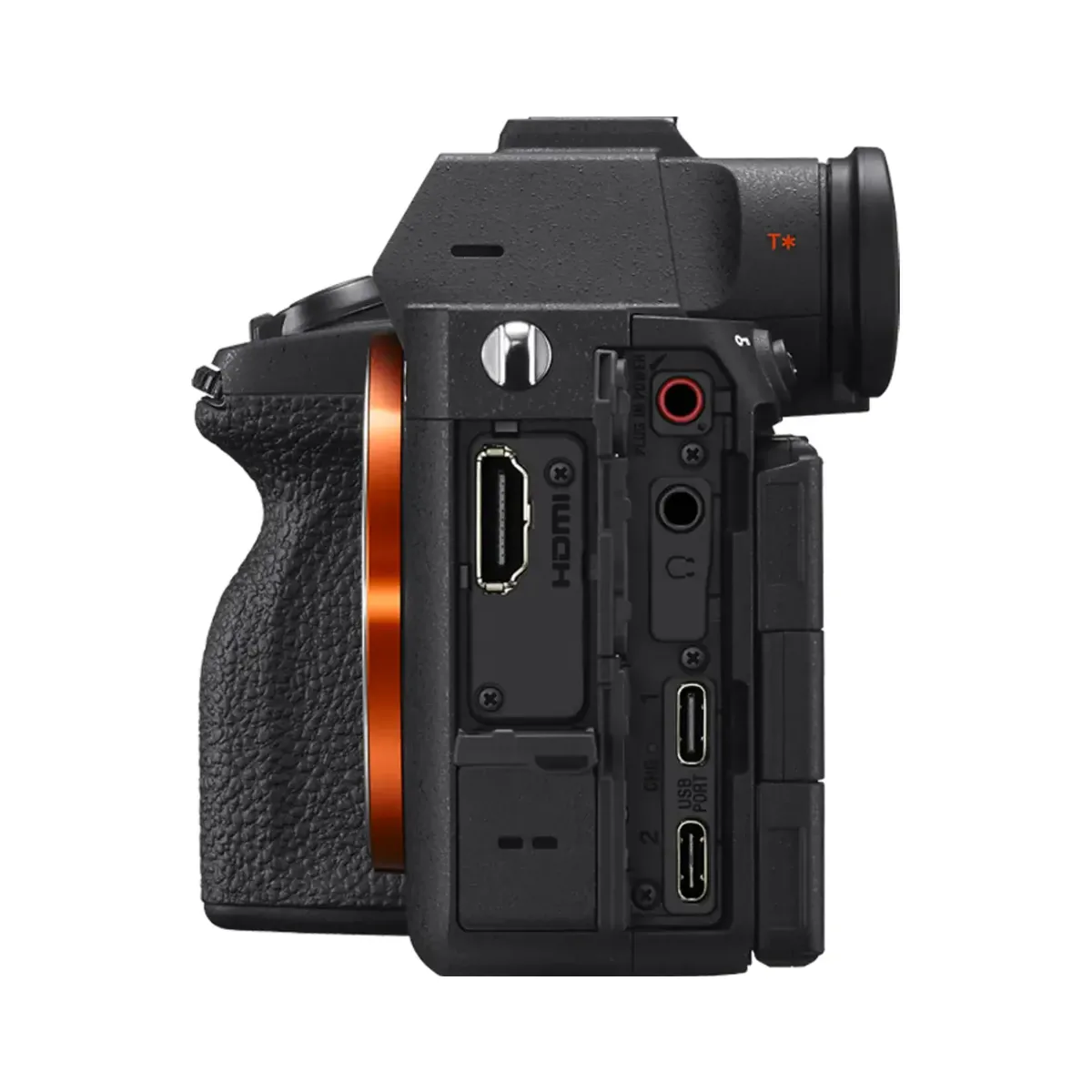
Endurance is a real strength. Sony a7 v battery life runs to about 750 shots on the rear screen and 630 through the viewfinder on the NP-FZ100, which Digital Camera World also found good in practice, so a day out rarely means swapping a cell. Storage is dual slot: slot one takes an SD card or a faster CFexpress Type A, slot two is SD only. Some of the card trouble in the owner threads traces back to the CFexpress route, so a reliable, current card is not where to save money.
Skip the a7 V if slow motion at the full frame width is central to your work, if you need open gate for vertical and horizontal from one take, or if a fully stacked sensor's near zero rolling shutter is a hard requirement. For most people who want one camera that is excellent at everything and dull in the best way, it is the easy call, and the owner record backs it. The rest of the mirrorless shelf splits by whether video, a first camera or a smaller body is what you are really after.
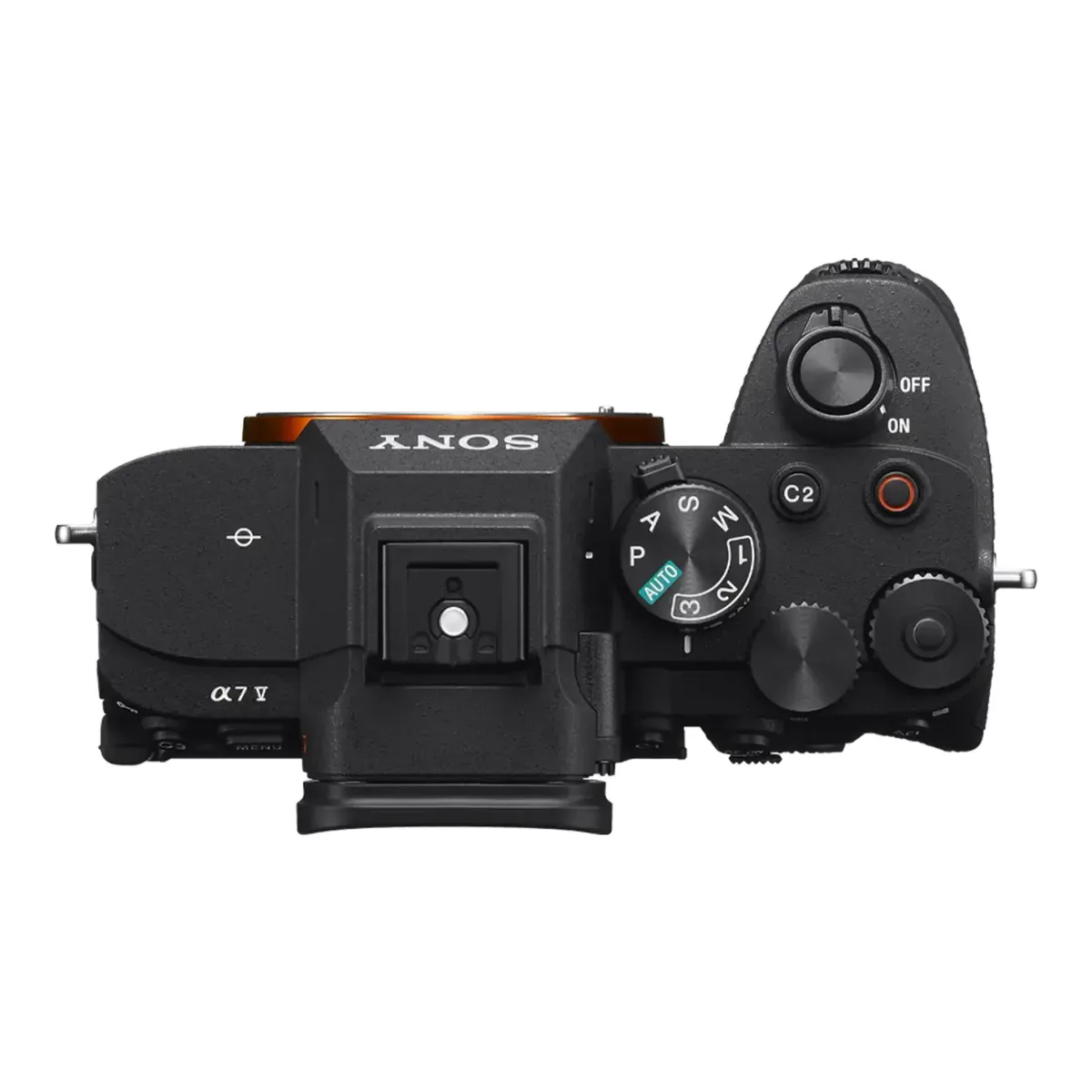
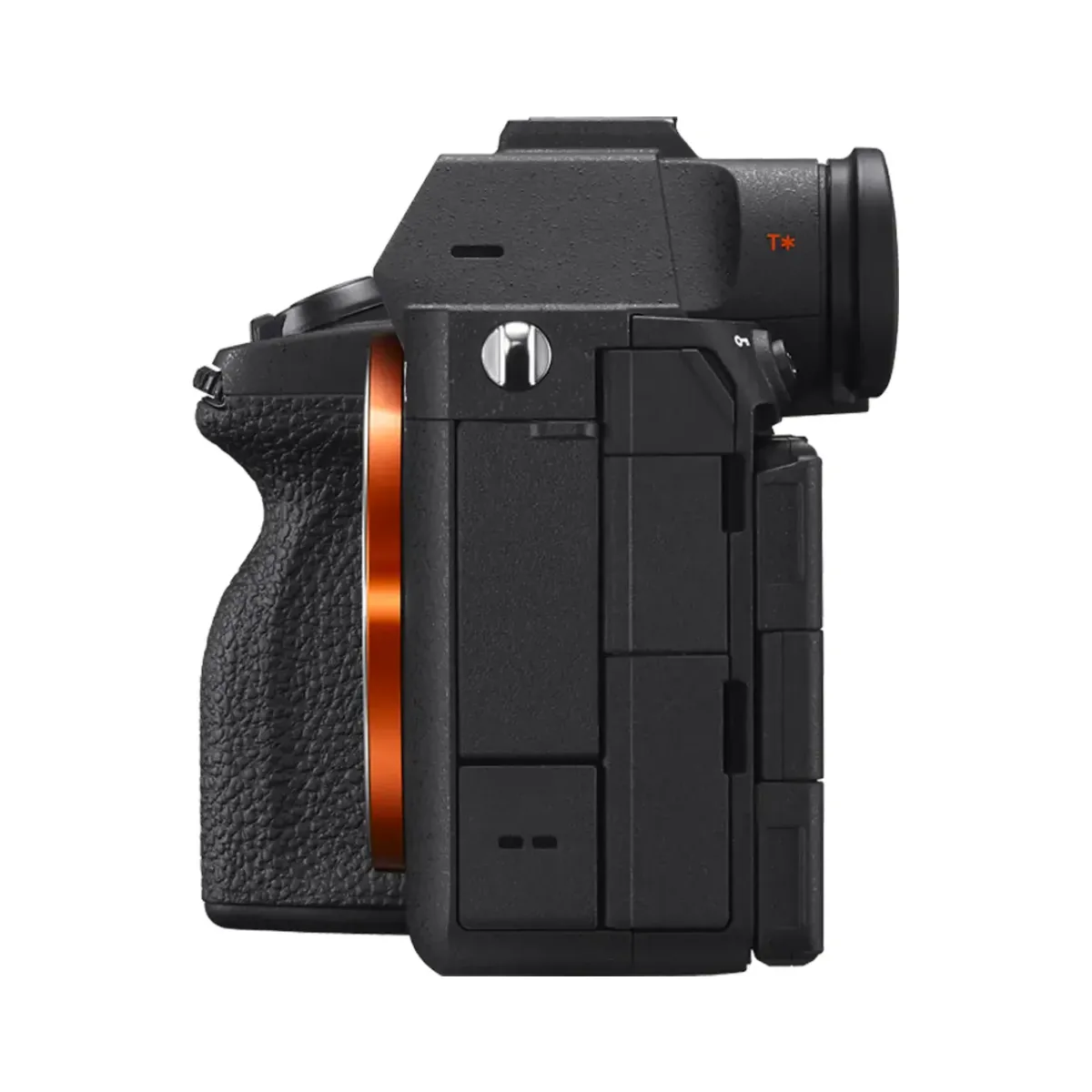
A closer look at the Sony Alpha 7 V
Made up your mind?