Best mirrorless camera: five bodies, full frame to APS-C
The best mirrorless camera for you depends on video, format and budget. Five bodies from Sony, Canon and Nikon, and the video crops three of them carry.
We earn a commission on qualifying purchases through the links here, at no cost to you. It never decides what makes the list.
The picks
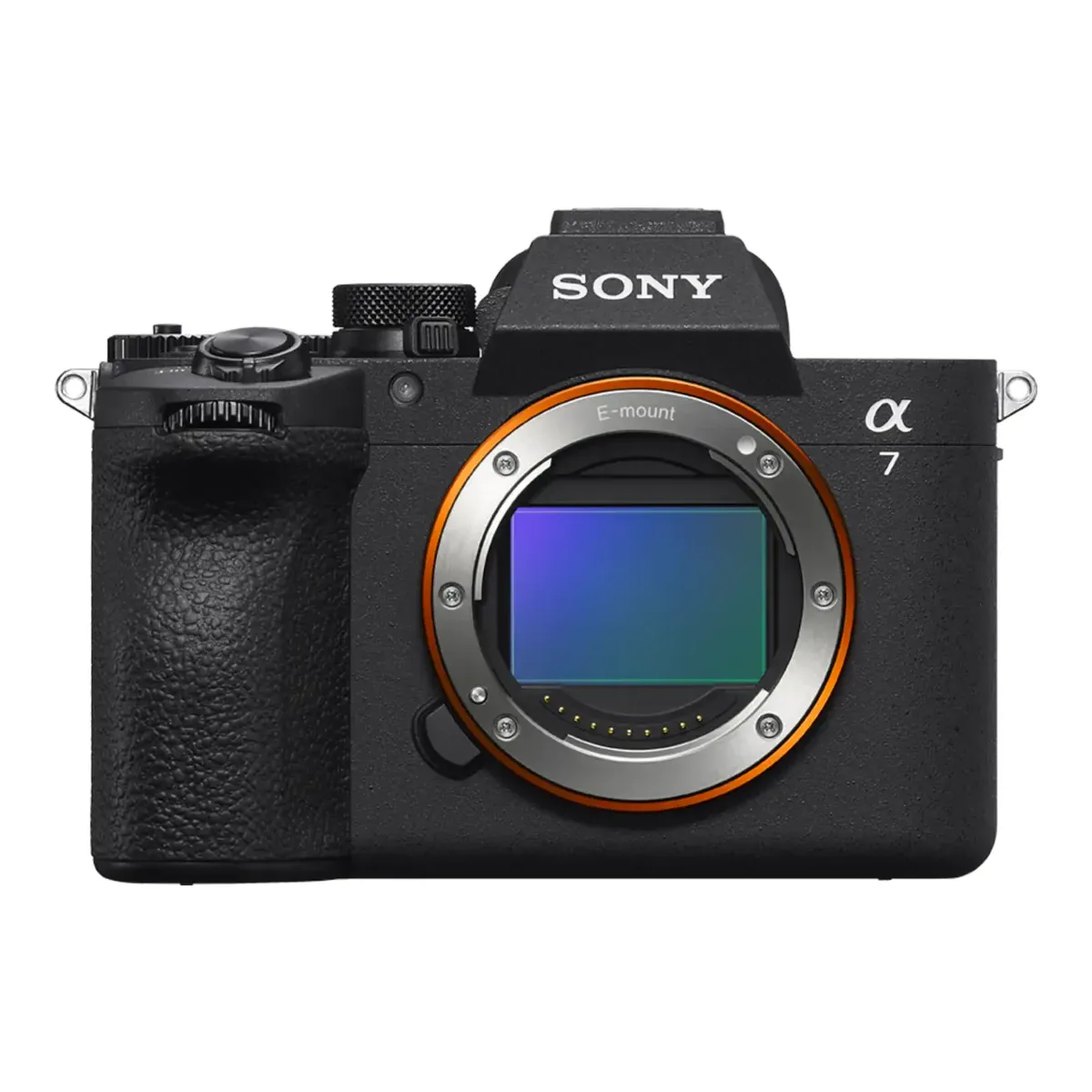
Best mirrorless camera overall
Sony Alpha 7 V
A 33MP partially stacked sensor, 30 fps without blackout and 759 AF points over about 94 percent of the frame.
- Full-frame partially stacked Exmor RS CMOS sensor with approximately 33.0 effective megapixels
- BIONZ XR2 processing engine with an integrated AI processing unit
- 5-axis in-body stabilization rated at 7.5 stops at the center and 6.5 at the periphery, to CIPA 2024 with the FE 50mm F1.2 GM
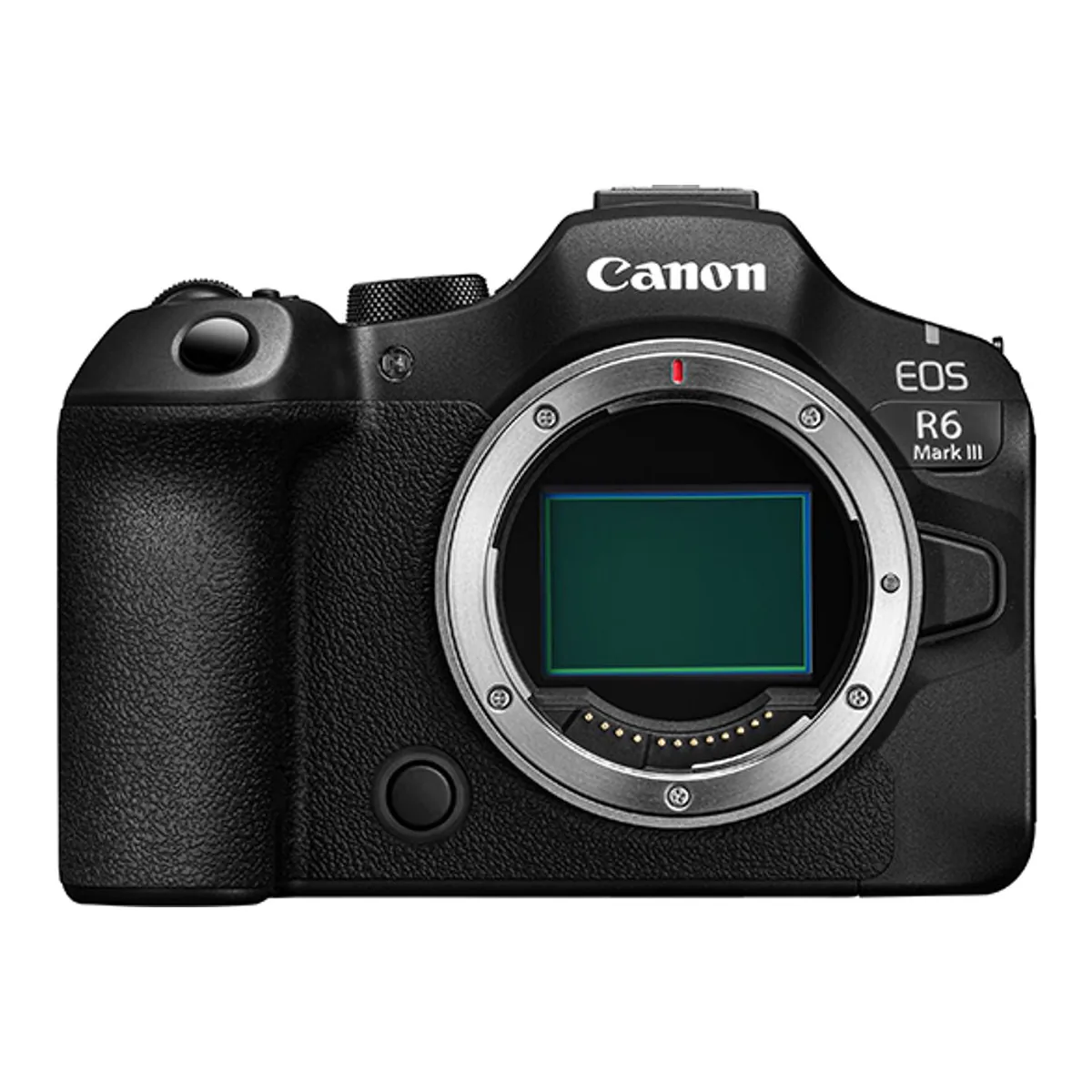
Best mirrorless camera for video
Canon EOS R6 Mark III
7K RAW recorded to a CFexpress Type B card, a 7K Open Gate mode and 4K to 119.9 fps.
- 32.5 megapixel full-frame CMOS sensor with the DIGIC X processor
- Sensor-shift IS rated up to 8.5 stops at the center and 7.5 at the periphery, depending on the lens
- Dual Pixel CMOS AF II with 1053 AF areas when automatically selected
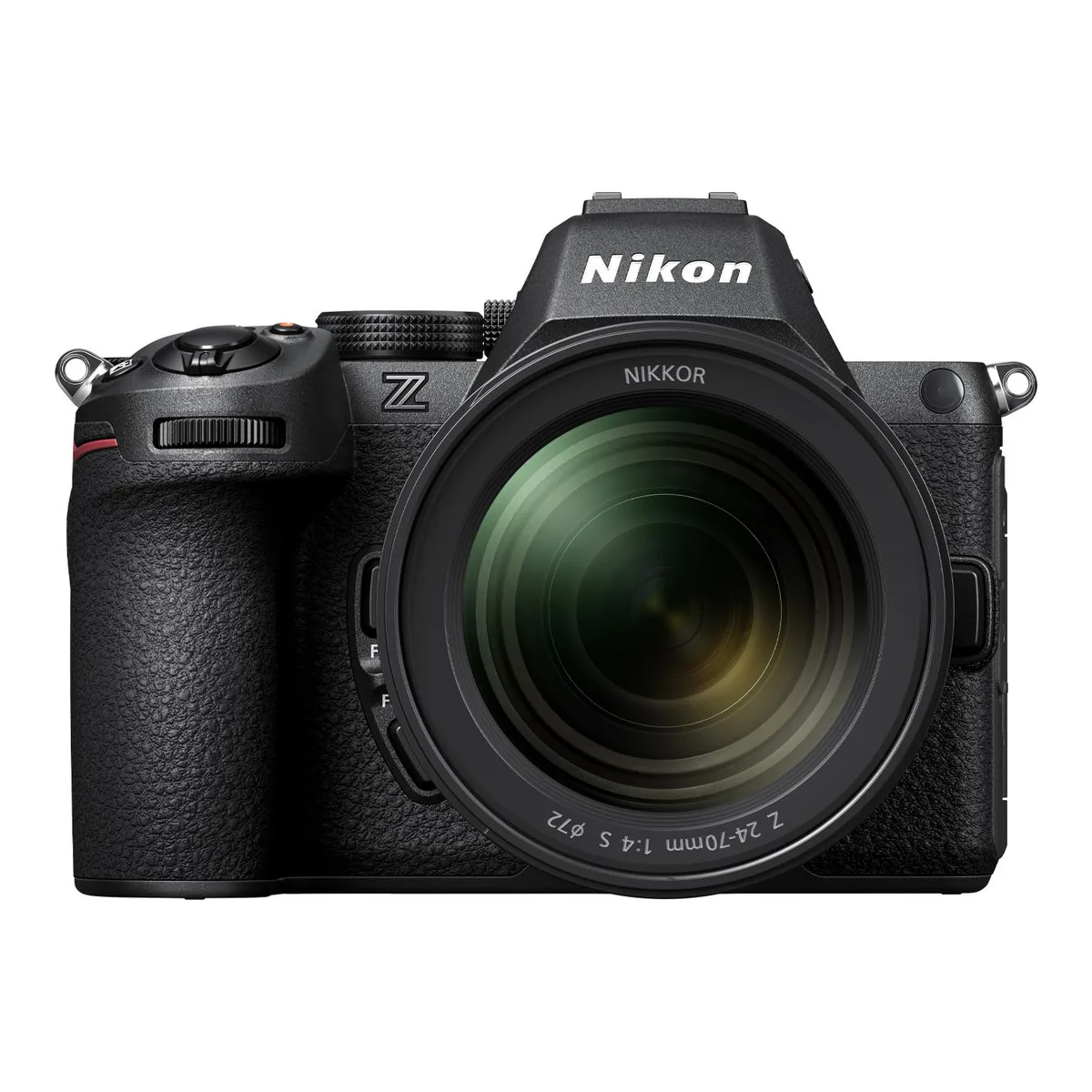
Best budget full frame mirrorless camera
Nikon Z5II
A 24.5MP full frame sensor, 7.5 stop VR and AF rated down to -10 EV, on two SD cards.
- 24.5 million effective pixel full-frame CMOS sensor with the EXPEED 7 engine
- 5-axis in-camera VR with an effect of 7.5 stops at the center and 6.0 at the periphery
- 273 focus points in single-point AF and 299 in auto-area, with AF detection down to -10 EV
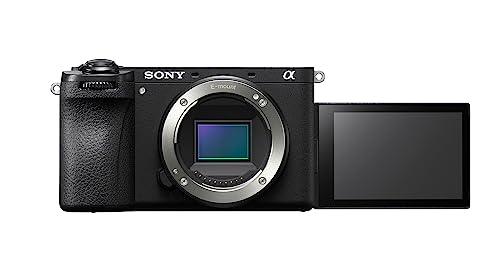
Best APS-C mirrorless camera
Sony Alpha 6700
A 26MP APS-C body with 5-axis stabilization, 4K 60p oversampled from 6K and a vari-angle screen.
- 26.0MP back-illuminated Exmor R APS-C CMOS sensor with the BIONZ XR processor and a dedicated AI processing unit
- 5-axis in-body image stabilization, rated by Sony up to 5.5 stops
- Fast Hybrid AF with 759 phase-detection points covering about 93 percent of the frame for stills, and 495 points for video
Best mirrorless camera for beginners
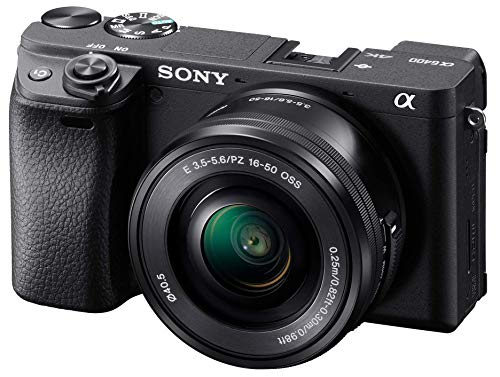
Sony Alpha 6400
The one kit here, shipping with a 16-50mm power zoom and a screen that tilts 180 degrees to face you.
- 24.2MP Exmor APS-C CMOS sensor with the BIONZ X processing engine
- Sony pairs it with a 180 degree tilting touchscreen and Real-time Eye AF; this ASIN is ILCE-6400L, the kit that ships a 16-50mm power zoom
- 425 phase-detection points combined with contrast AF over about 84 percent of the frame, and a stated 0.02 second acquisition
Two of the three full frame bodies here crop the frame in a video mode their own headline sells, and on the Sony the crop sits in a footnote. The best mirrorless camera for most people is the Sony a7 V, and its 4K 120p only exists in Super 35 mode.
Below it, the choice is the best mirrorless camera for video, for a first camera, or for a smaller APS-C body, and each of those has a different answer.
What the picks rest on
Sony's, Canon's and Nikon's own specification tables, B&H's spec tables for the two older Sony bodies, DPReview's specification page for the Canon, and the live listing for every ASIN. The YouTube owner evidence counts 402 commenters on the a7 V, 347 on the R6 Mark III and 337 on the Z5II. No owner in any of the three reports the camera overheating.
Five mirrorless cameras on one axis
| Spec | Sony a7 V | Canon R6 Mark III | Nikon Z5II | Sony a6700 | Sony a6400 |
|---|---|---|---|---|---|
| In-body stabilization | 7.5 stops center | Up to 8.5 stops center | 7.5 stops center | Up to 5.5 stops | None |
| Sensor | 33.0MP full frame | 32.5MP full frame | 24.5MP full frame | 26.0MP APS-C | 24.2MP APS-C |
| Video ceiling | 4K 60p from 7K; 4K 120p in Super 35 | 7K RAW to 59.94p; 4K to 119.9p, not oversampled | 4K 60p, cropped | 4K 60p from 6K; 120p with a crop | 4K 30p |
| Continuous shooting | 30 fps electronic | 40 fps electronic | 30 fps, JPEG only | 11 fps | 11 fps |
| Rated shots | 750 LCD, 630 viewfinder | 620 LCD, 390 viewfinder | 350 LCD, 380 viewfinder | 570 LCD, 550 viewfinder | 410 LCD, 360 viewfinder |
Basis: manufacturer documentation. The full frame stabilization figures are each maker's own rating at the center of the frame, measured with different lenses, so they do not rank against each other. The a6700's 5.5 stops is an older pitch and yaw rating, not the a7 V's CIPA 2024 method, so the two Sony figures do not compare either. Canon rates its shots in power saving mode and Nikon with energy saving on.
Best mirrorless camera overall: Sony a7 V
The all-rounder. A 33.0MP partially stacked Exmor RS sensor reads out fast enough for blackout-free bursts at 30 fps on the electronic shutter, 759 phase-detection points cover about 94 percent of the frame, and the NP-FZ100 is rated for 750 shots on the LCD, the most here. It takes an SD card or a CFexpress Type A in slot one and SD in slot two.
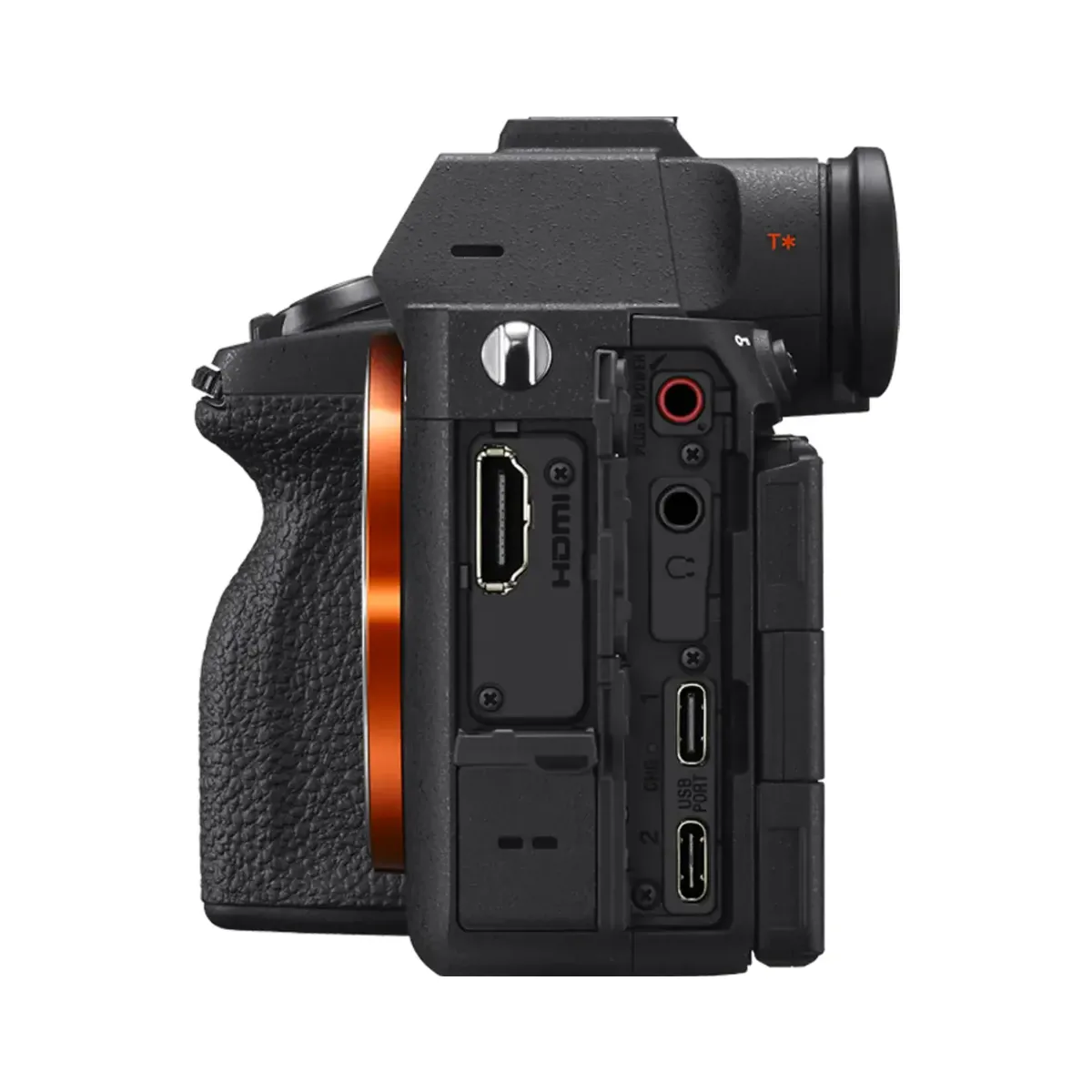
The one hardware fault among those 402 is a reviewer's own body, which Sony swapped: "They said the problem was with the main board". An owner who has had one since new year writes "The rolling shutter is still a real issue", and ten commenters complain it has no open gate mode, the Canon's headline feature.
Skip it if 4K 120p at the full frame angle of view is the reason you are buying, because Sony only records 4K 120p in APS-C/Super 35mm mode.
Best mirrorless camera for video: Canon EOS R6 Mark III
Canon records 7K RAW to 59.94 fps in RAW Light, and adds a 7K Open Gate mode at 3:2, 6960 x 4640 to 29.97 fps, the same frame as a full size still. 4K runs to 119.9 fps in Canon's not-oversampled mode, and Canon's table does not say whether that mode crops. Clips can run up to 6 hours below 100 fps, which Canon says shortens "If the cameras internal temperature becomes too high", and DPReview lists "Videographers doing long takes in hot environments" among the buyers it suits least. The IS is rated up to 8.5 stops at the center. It also shoots stills at 40 fps with a pre-continuous buffer from 20 shots before the full press.
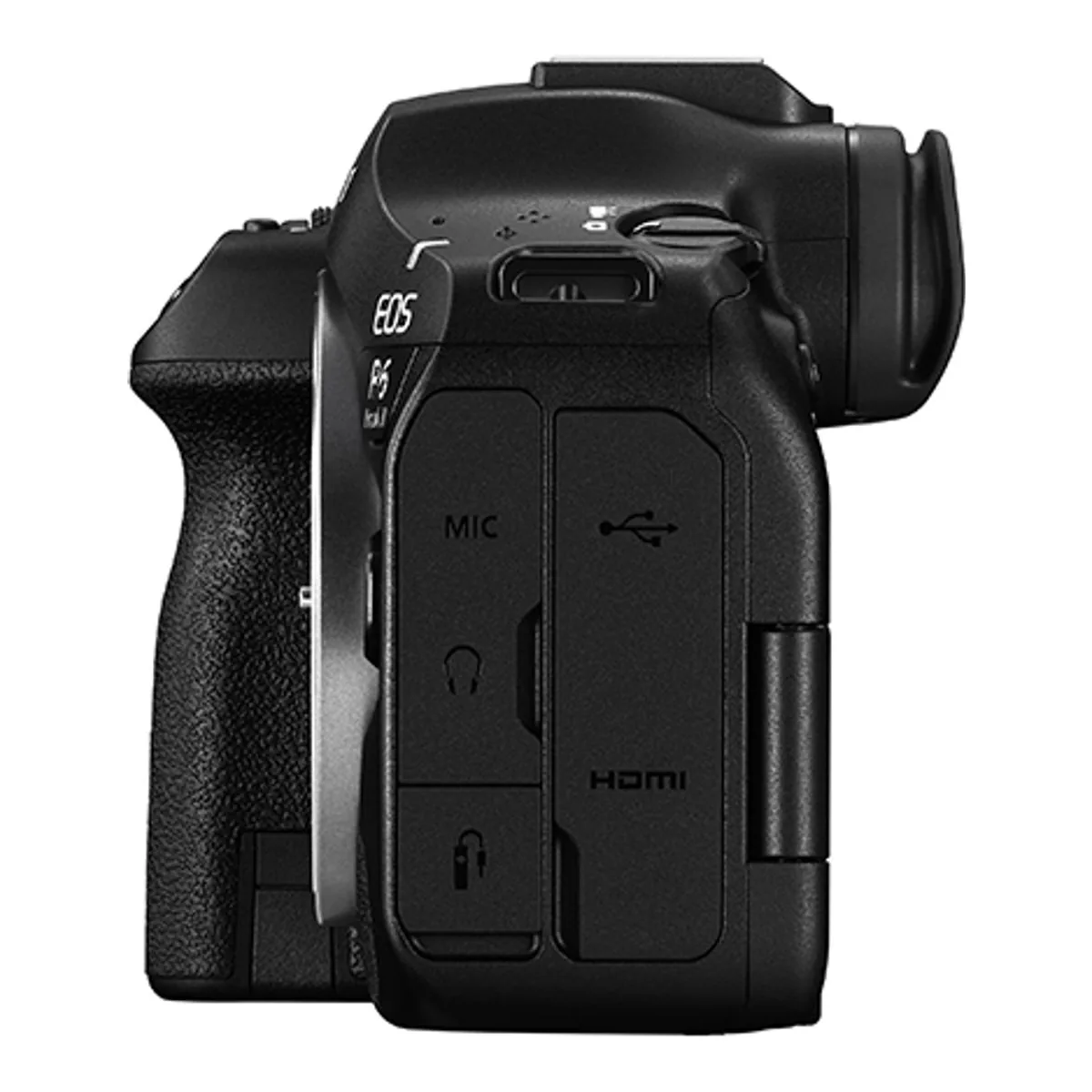
Among the commenters who say they own or have just bought one, one is returning it over software rather than the camera: "Doesn't work with light room." Three viewers, none of them owners, say they can see stabilizer wobble in review footage, and one puts it as "The IBIS wobble is unreal".
Skip it if you film long takes somewhere hot, or shoot through the viewfinder all day, where the a7 V is rated for 630 shots against the Canon's 390 in power saving mode.
Best budget full frame mirrorless camera: Nikon Z5II
A full frame body that is not a stripped one: EXPEED 7, 7.5 stop VR, 273 focus points with detection down to -10 EV, and 12-bit N-RAW video recorded in camera, onto two UHS-II SD slots.
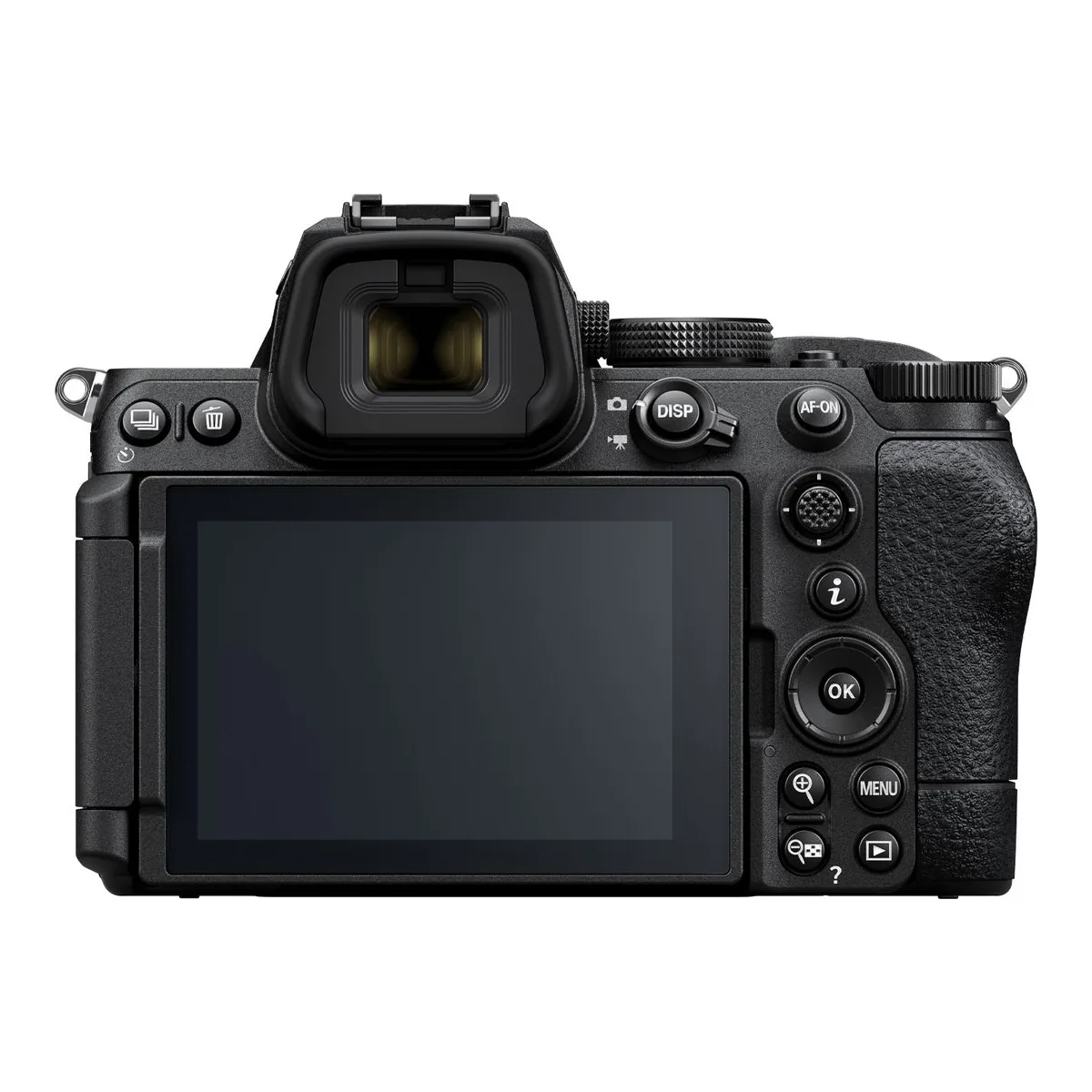
It is the most owned of the three in the comments, with 54 people saying they have or had one. Four owners describe missed focus or soft images, one of them in the words "I missed critical focus so many times when I bought it", against seven owners who praise the autofocus.
Skip it if you shoot fast action in RAW. Its 30 fps mode is JPEG only, Nikon says its 14 fps in mechanical shutter mode is JPEG only too, and its 4K 60p is cropped.
Best APS-C mirrorless camera: Sony a6700
A smaller sensor, chosen on purpose and not settled for. The a6700 keeps 5-axis stabilization rated to 5.5 stops, oversamples 4K 60p from 6K, and puts a vari-angle screen on the side where it can face forward.
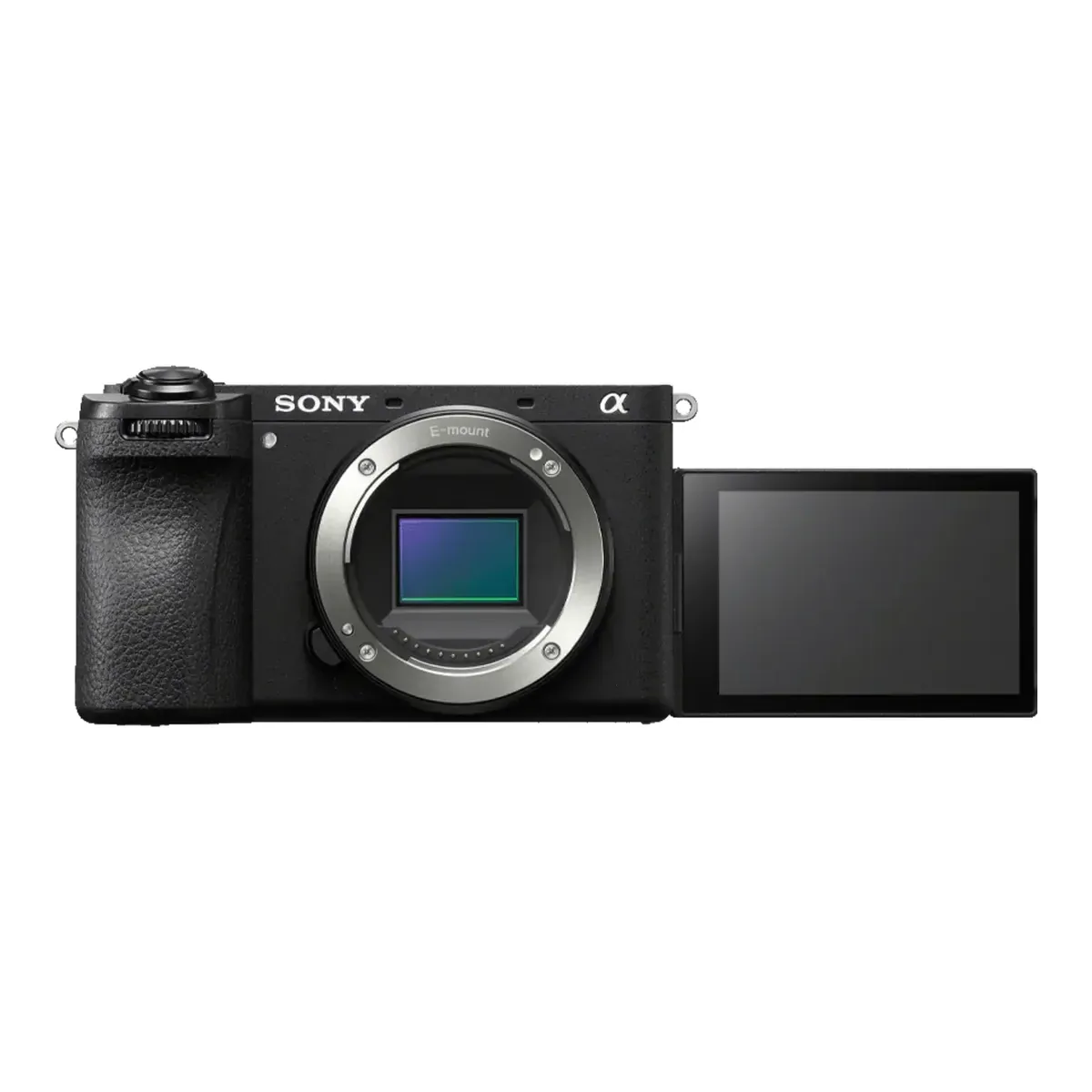
Skip it if 4K 120p is the mode you want most, because it comes with an approximately 38 percent crop and without Active Mode stabilization.
Best mirrorless camera for beginners: Sony a6400
The only listing here that ships a lens, the 16-50mm power zoom, so the box is a working camera. The screen tilts 180 degrees up to face you, and Real-time Eye AF does the focusing on a face.
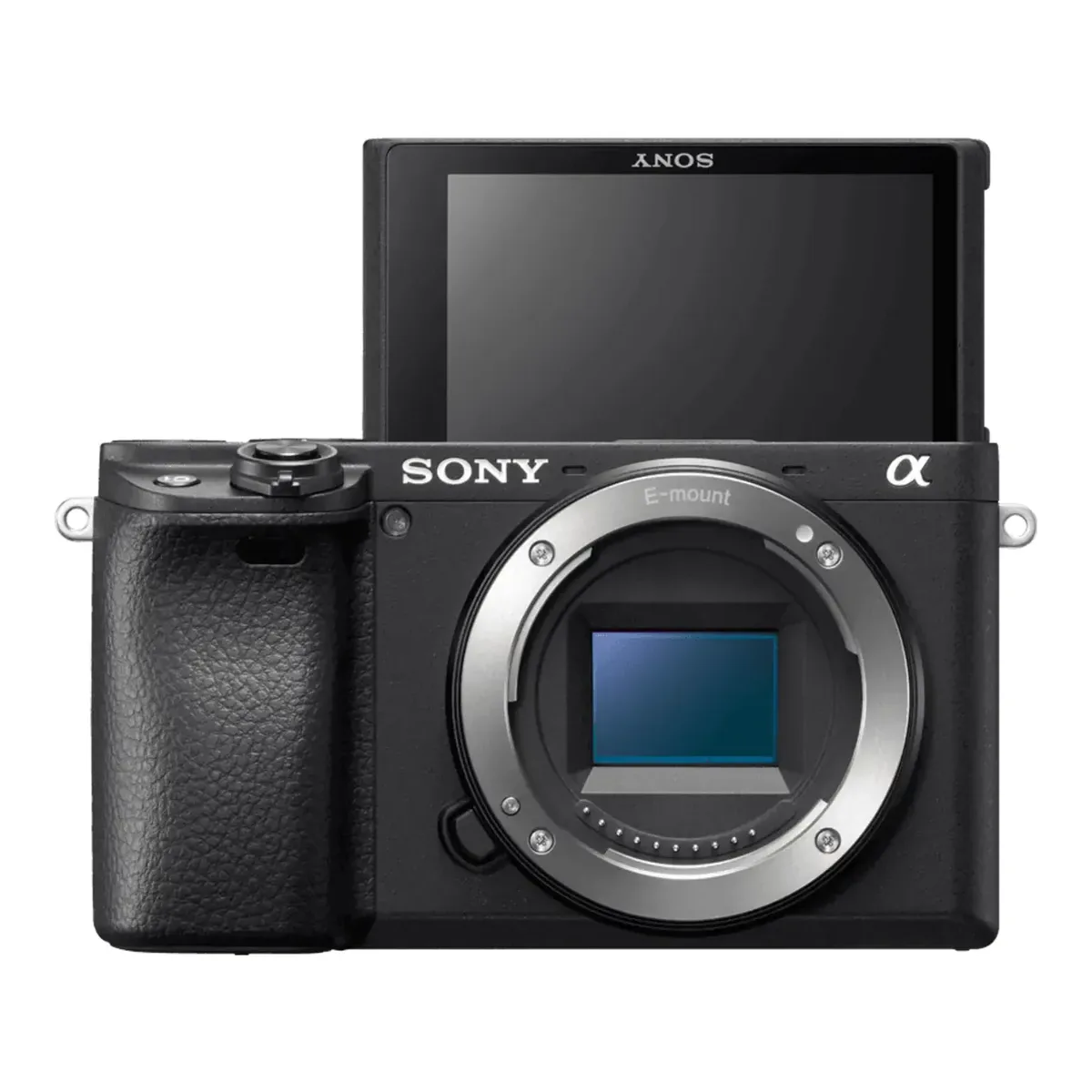
Skip it if you shoot handheld in low light or film walking, because there is no stabilization in the body and the kit lens's OSS is all it has.
Which lenses each body takes
A body is a mount, and the mount is the longer decision, because the lenses outlast the camera. All three Sony bodies here are E-mount, full frame and APS-C alike. The R6 Mark III is Canon RF and the Z5II is Nikon Z mount, so choosing between the three brands is choosing which lenses you will buy next. More of the shelf sits on the mirrorless camera bodies page, and the two Sony APS-C bodies are set side by side in the a6700 against the a6400.