Canon EOS R6 Mark II review: the all-rounder, fixed
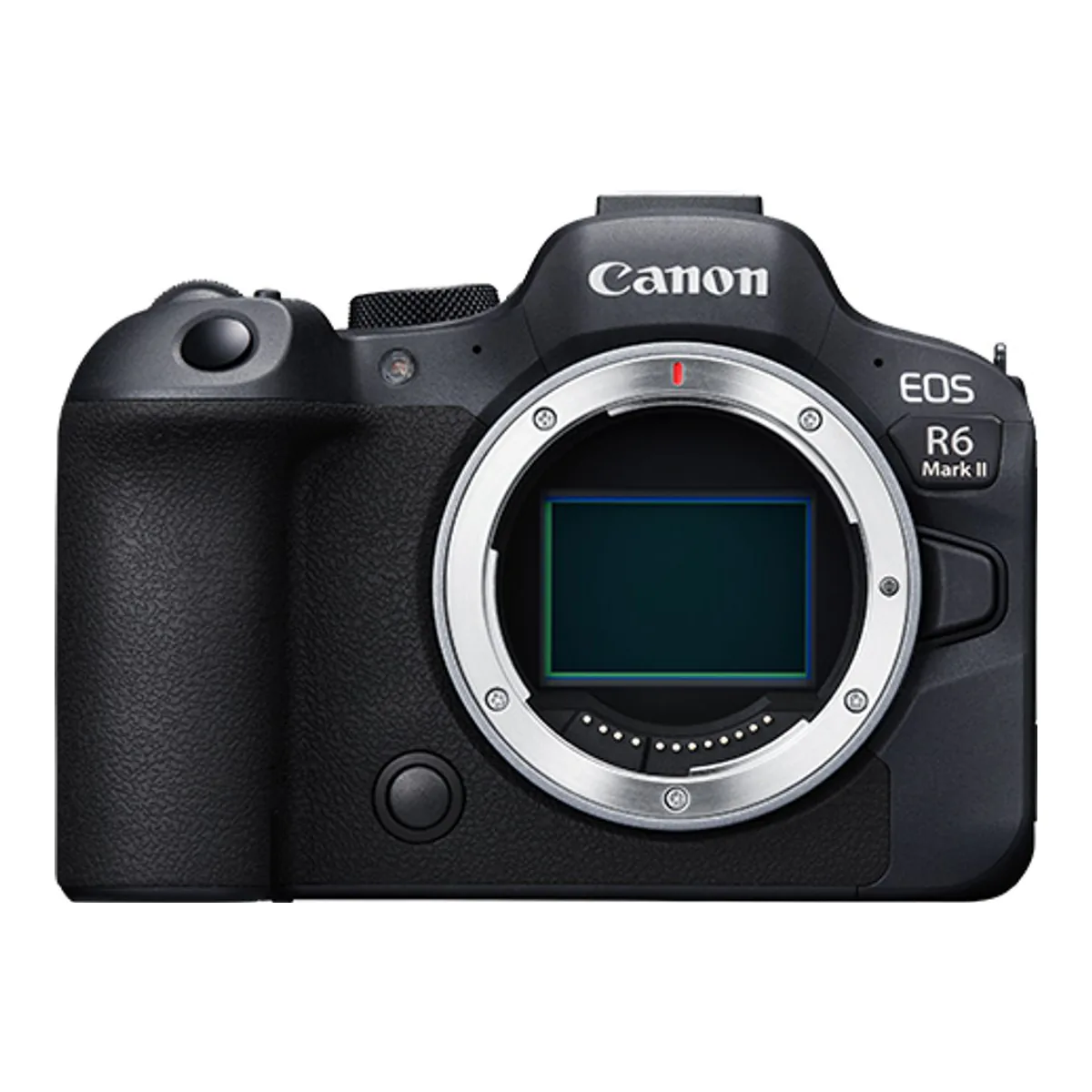
The hybrid full-frame body to buy when you shoot stills and video both and want it to last, with no overheating and an owner record that runs well past 100,000 frames with no failure. Skip it if fast electronic-shutter action is your main subject, because the sensor is not stacked and the rolling shutter shows.
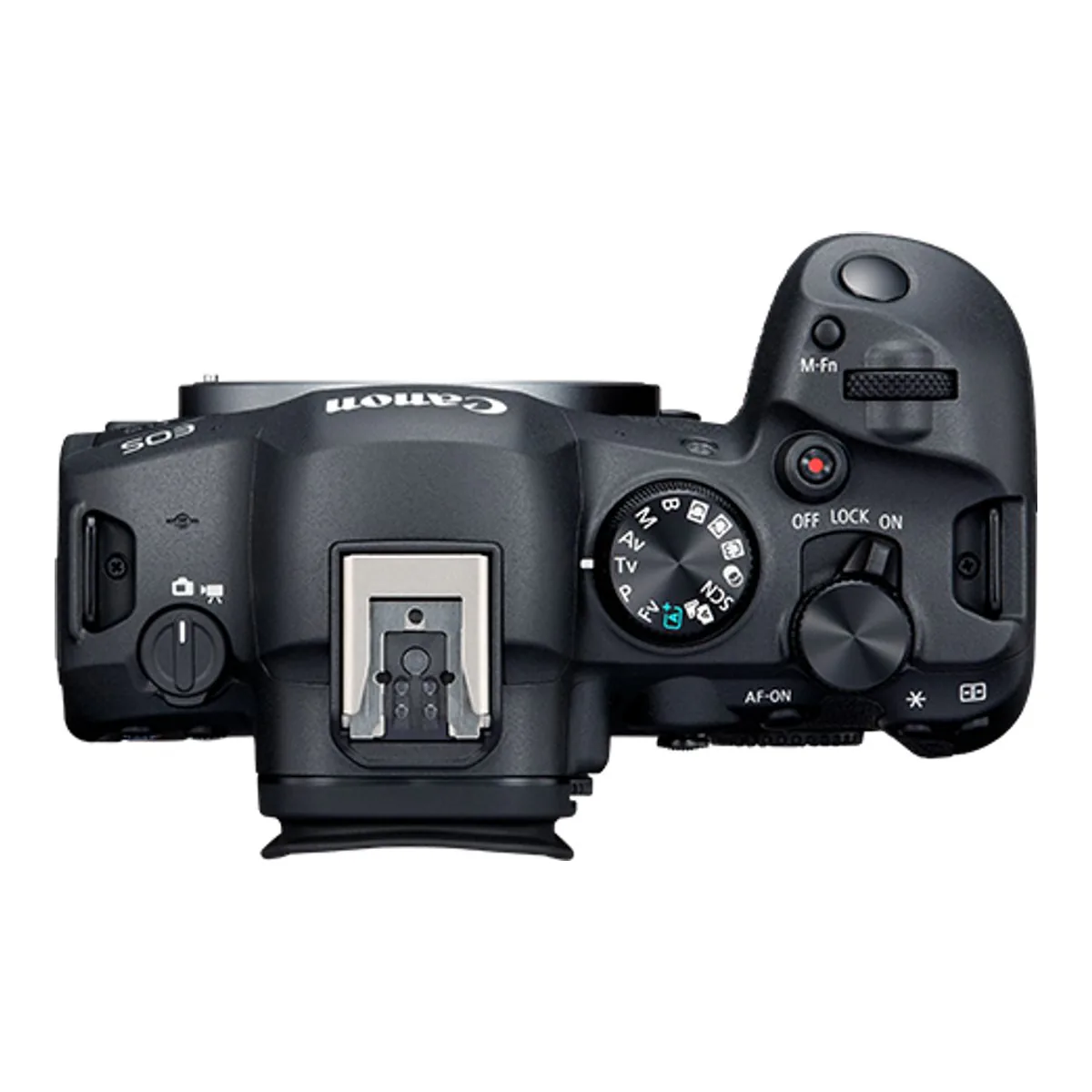
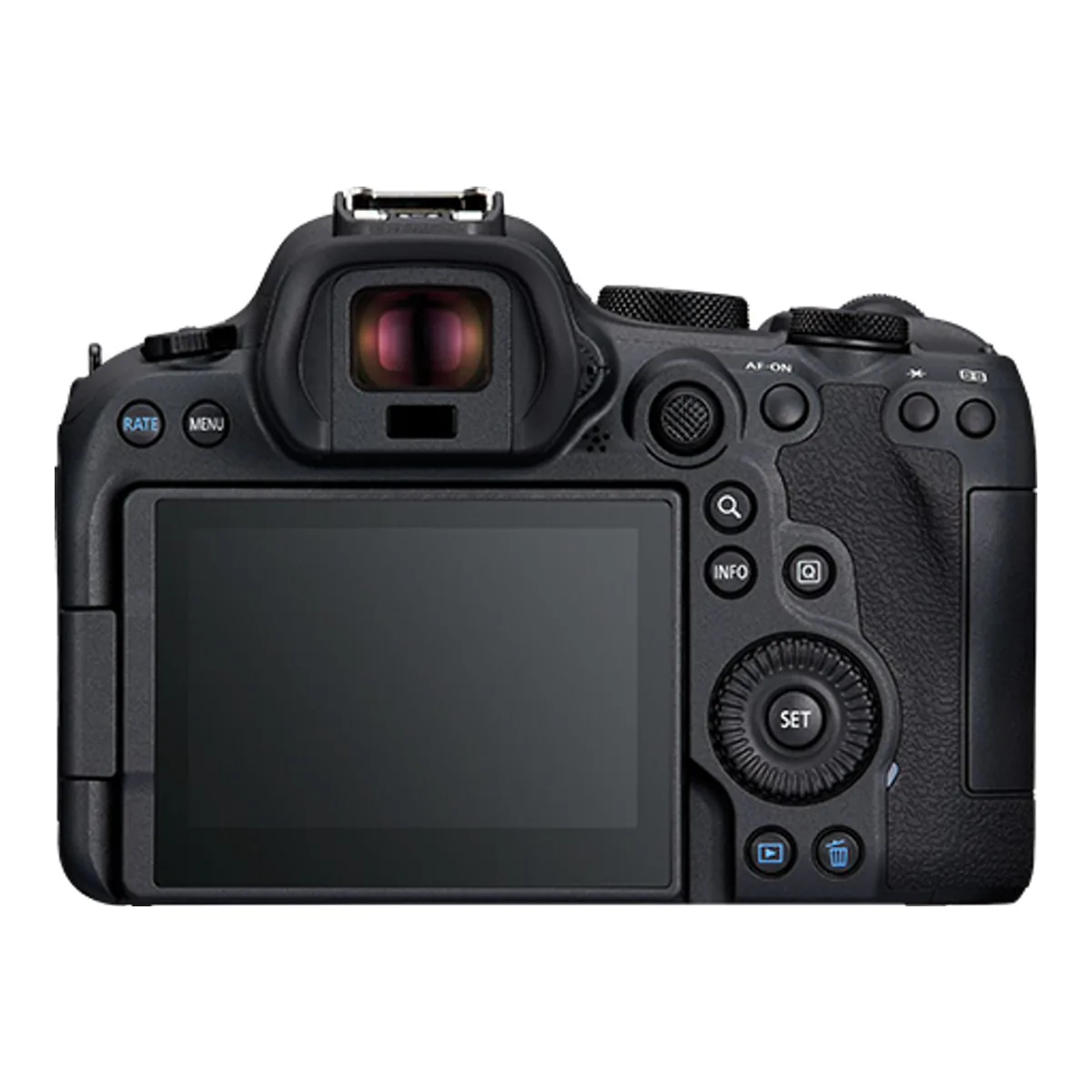
- 24.2 megapixel full-frame CMOS sensor with the DIGIC X processor and Dual Pixel CMOS AF
- In-body image stabilization rated up to 8 stops, with coordinated control and depending on the lens
- Subject detection for people, animals including horses, and vehicles including cars, motorcycles, aircraft and trains, plus an automatic mode
- Up to 40 fps electronic or 12 fps mechanical, with RAW burst mode and pre-shooting
- 6K-oversampled uncropped 4K up to 59.94 fps internally, 10-bit 4:2:2 with C-Log 3, and 6K RAW to an external recorder
- No recording time limit in 4K, and Full HD high frame rate up to 179.82 fps
- Two UHS-II SD card slots
- LP-E6NH battery, approximately 450 shots through the viewfinder in power saving mode or 760 on the LCD, to CIPA
We earn a commission on qualifying purchases through the links here, at no cost to you. It never decides what makes the list.
Owners run the Canon EOS R6 Mark II hard. One is 50,000 frames in, another well past a hundred thousand, and the failure that usually follows a number like that never shows up in their comments. That record is the quiet case for this camera.
It is the body the original R6 should have been. Canon took that camera, dropped the 4K crop, removed the 30 minute recording cap and sped up the autofocus, and the result is a hybrid that shoots stills and video both without an obvious weak spot. The read here comes from Canon's own specification page, instrumented tests at DPReview, RTINGS, Cameralabs and Digital Camera World, and 42 people who own or actively shoot one, each comment read in turn. It sits one generation below the R6 Mark III that holds the Canon slot on our mirrorless camera shortlist.
Does the Canon EOS R6 Mark II overheat?
No. Not in normal use.
This is the canon eos r6 mark ii overheating worry that dogged the first R6, and the Mark II answers it cleanly. RTINGS measured zero overheat interruptions in 4K, Cameralabs never triggered a shutdown, and DPReview ran 4K 60p for over an hour at room temperature. Owners back the benches: one stress tested it shooting 4K in genuine heat and reported it "passed it 100%", and nobody in the corpus describes a thermal cutout. Canon also removed the 30 minute clip limit, so the ceiling is the card and the battery, not a timer.
The specs that carry it
Two things do the work, the sensor and the autofocus. A 24.2 megapixel full-frame CMOS feeds the DIGIC X processor, with in-body stabilization Digital Camera World rates at up to 8 stops on the right lens, perfect across a 100 shot handheld focus stack in their testing. Autofocus runs Dual Pixel CMOS AF over 1053 zones, and the subject detection reads people, animals including horses, and vehicles from cars to aircraft, with a new Auto mode that Cameralabs singles out for not making you choose the subject type first. Bursts reach 40 fps on the electronic shutter or 12 fps on the mechanical. These are the canon eos r6 mark ii specs that decide the purchase, and for the class they are strong.
The canon eos r6 mark ii rolling shutter, and when to skip it
Here is the catch, and the honest reason to pass. The sensor is not stacked, so the canon eos r6 mark ii rolling shutter is real: DPReview measured about 18ms of readout on the full-frame electronic shutter. For most subjects it stays invisible, and it only bites when yours move fast. DPReview is blunt about it, advising against the 40 fps electronic mode for close up motorsports or a golf swing, because that fast readout mode also drops the sensor to a 12-bit output with noisier shadows. If panning race cars or breaking down a swing is the job, a stacked body is the buy and this is not it.
The video limits owners actually hit
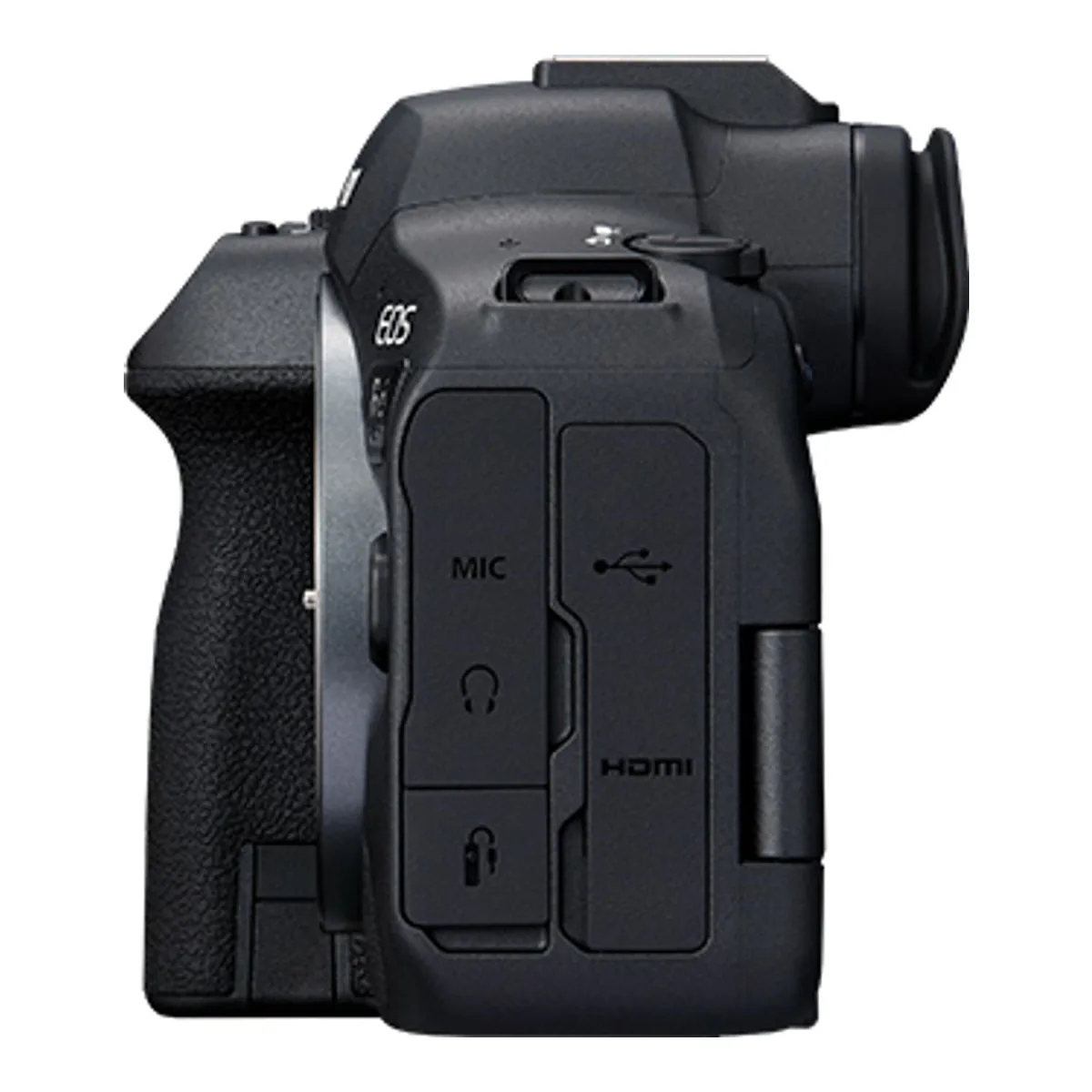
The 4K itself is excellent, oversampled from 6K at up to 60p in 10-bit 4:2:2, with 6K RAW out to an external recorder. The limits are narrower than the headline, and owners name them without prompting. There is C-Log 3 but no C-Log 2, which four owners call the gap that keeps them off the sensor's full range in a graded edit. The HDMI is a micro connector rather than full size, which two more flag as fragile for external recording. And the in-body stabilizer can warp the corners of the frame with wide lenses in video, a wobble one owner raised unprompted and DPReview reproduced on its bench. None of this touches a stills shooter. All of it matters when video is the paycheck.
Canon R6 Mark II vs R6
The canon r6 mark ii vs r6 decision is not close if you are buying new. The Mark II adds the uncropped 4K, the removed record limit, faster and wider subject detection, and a 40 fps electronic burst. The place the older body still wins is extreme low light, where an owner who shoots concerts finds the first R6 slightly cleaner, the cost of four more megapixels on one sensor size. If you already own an R6 and shoot mostly in the dark, the upgrade is optional. For anyone starting fresh, the Mark II is the better camera and it is not an argument.
The rest of the mirrorless shelf sorts by whether video, battery or a smaller body is what you are really after, and the Sony a7 V makes the opposite trade, stronger on paper for slow motion but with its own 120p catch. Skip the R6 Mark II only if fast electronic-shutter action is your main subject. For a working hybrid that does not overheat, holds focus and keeps shooting past a hundred thousand frames, it is the easy call, and the owner record is what makes it one.
A closer look at the Canon EOS R6 Mark II
Made up your mind?