WEN BA1487 review: 8.85 inches of resaw on 9.5 amps
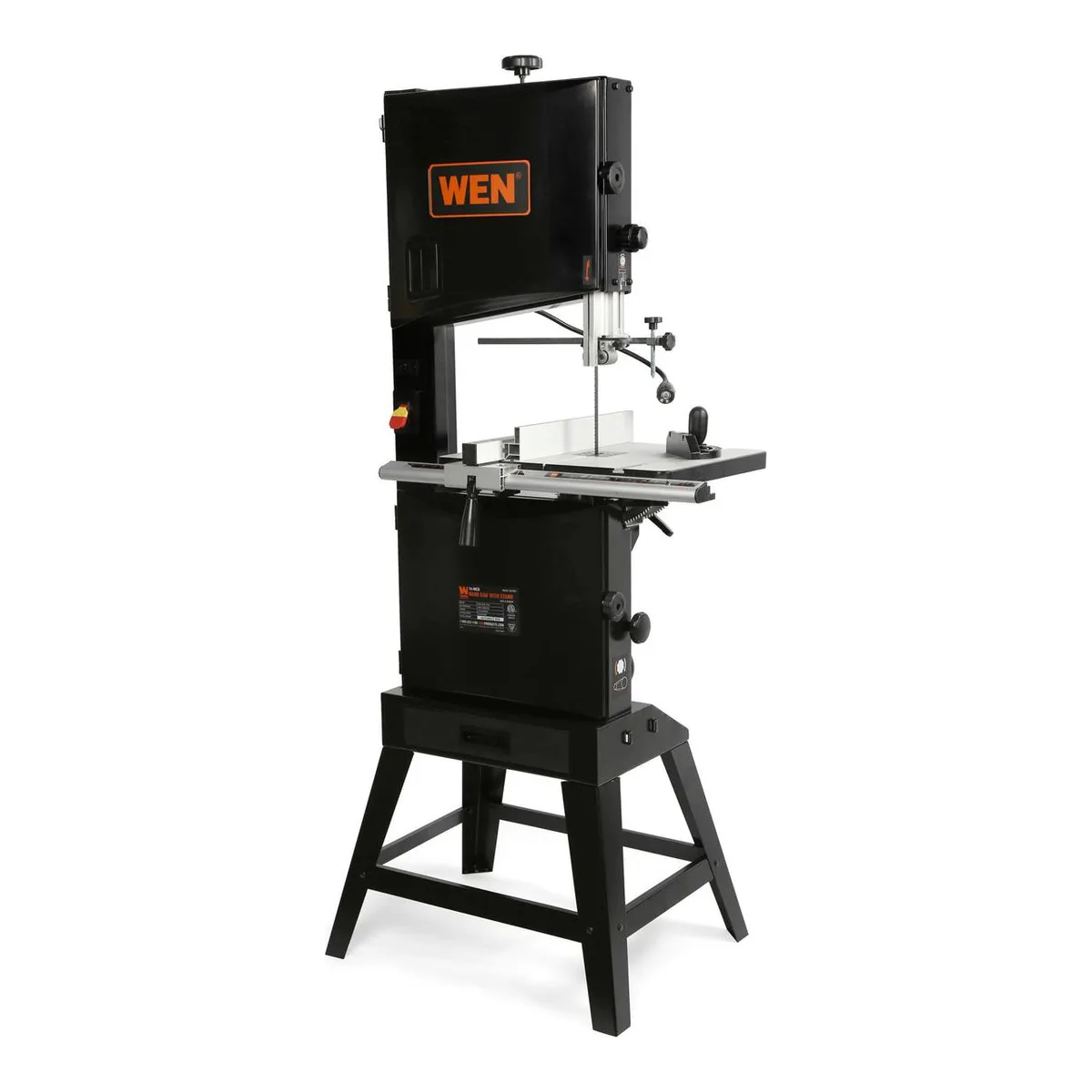
The WEN BA1487 draws less current than the two deeper-resawing saws on this shelf, 9.5 amps on a standard outlet, for 8.85 inches of resaw rather than a genuine 14.
- 9.5-amp motor creates cuts up to 8.85 inches deep and 13-3/8 inches wide
- Uses 100-3/4-inch blades anywhere from 1/8 to 1 inch wide
- Operates at two speeds of either 1480 or 3280 FPM
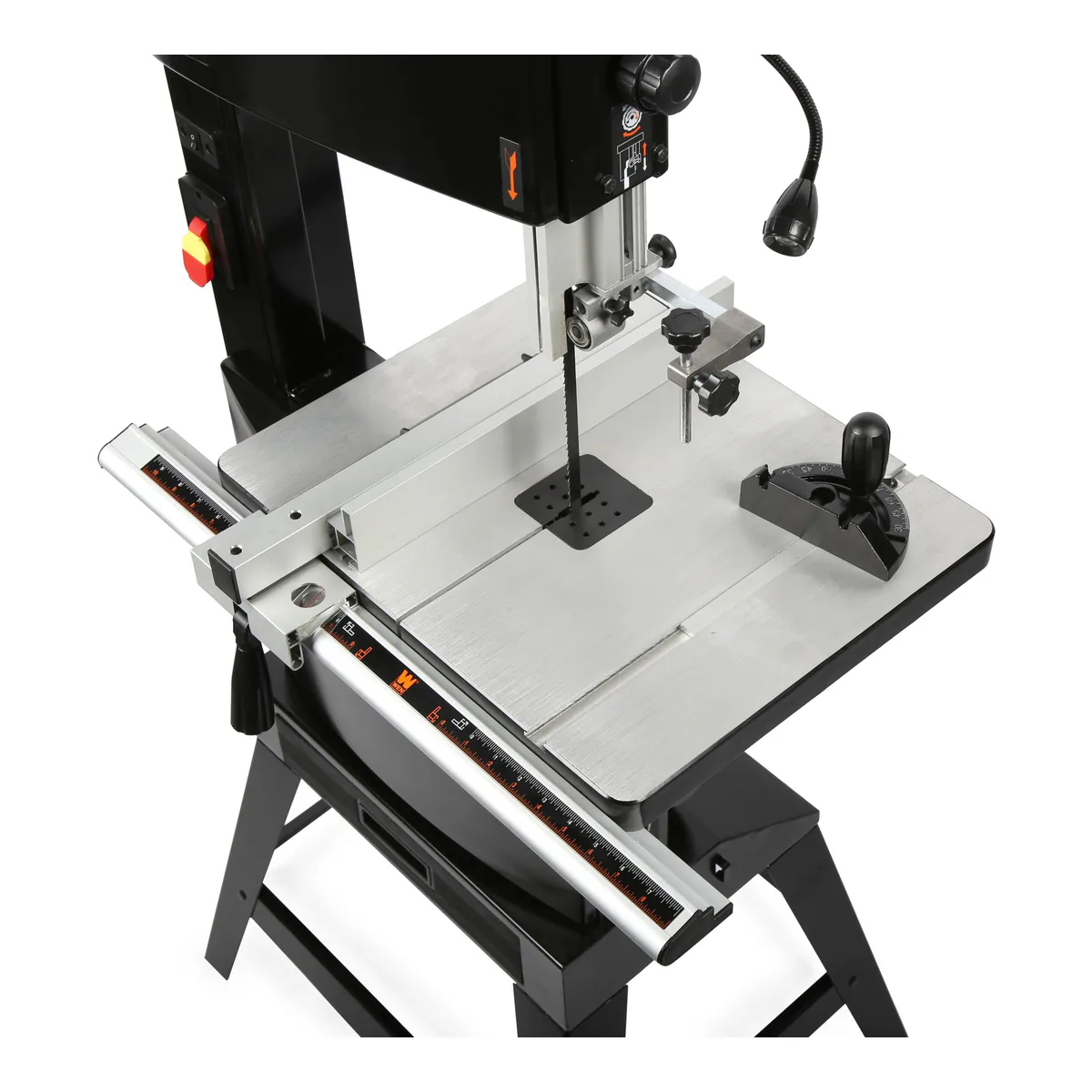
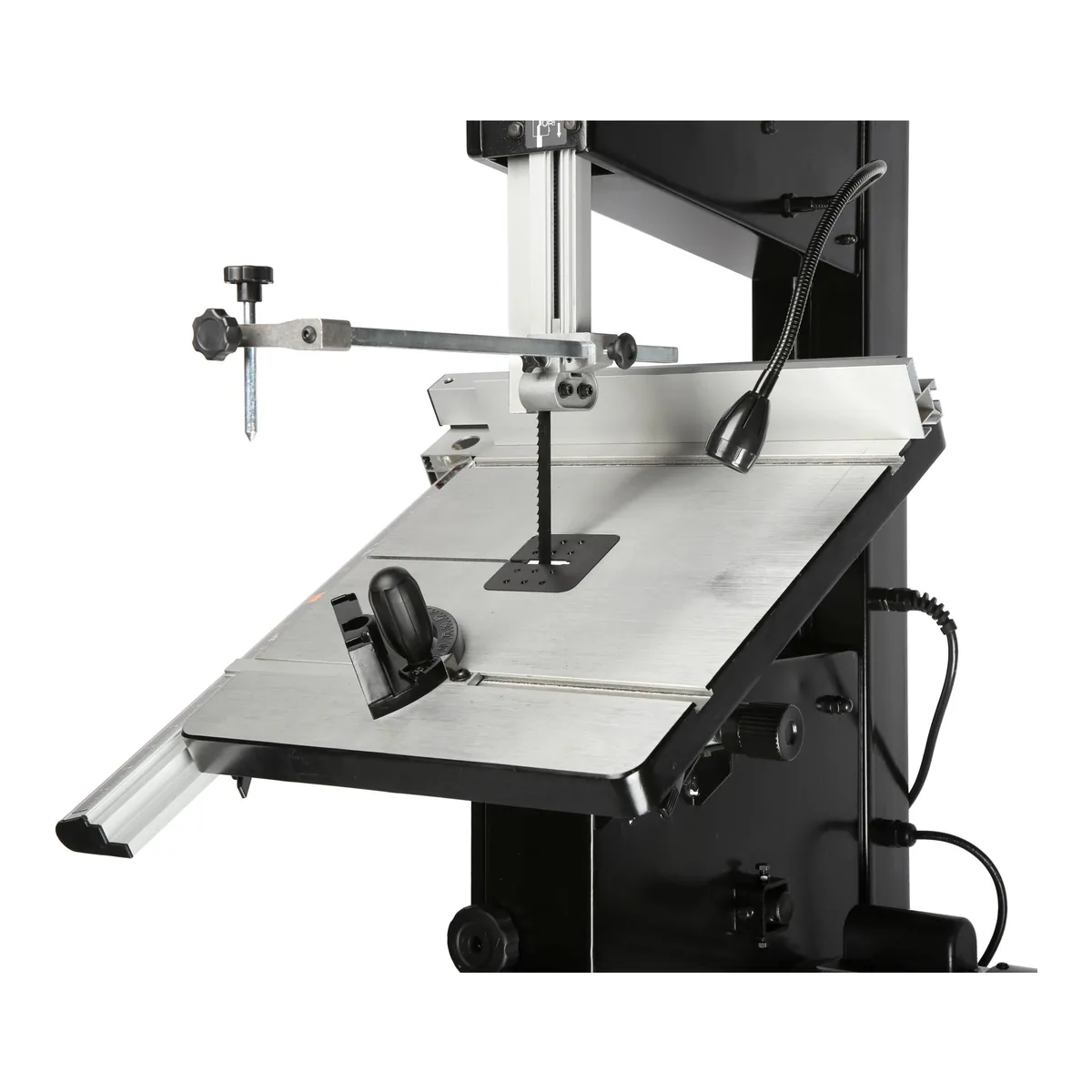
- Cast-aluminum work table measures 18.90 by 15.35 inches and bevels to 45 degrees
- 3-in-1 dust port fits 1-3/4, 2-3/4, and 3-3/4 inch dust collector hoses
We earn a commission on qualifying purchases through the links here, at no cost to you. It never decides what makes the list.
Ask WEN's own product page how big the WEN BA1487's table is and it gives three different answers in one paragraph: 19 by 15-1/4 inches in the prose, 21-1/2 by 15-3/4 inches in the bullet list above it, and 18.90 by 15.35 inches in the instruction manual's own specifications table.
Pick one.
We use the manual throughout and treat the other two figures as marketing copy nobody proofread. None of that is a reason to skip the saw. It is a reason to read the paperwork ahead of the sales page, so this review works from the BA1487's own documentation and the live Amazon listing, cross-checked against the rest of the bandsaw shortlist it sits on as the budget bandsaw pick.
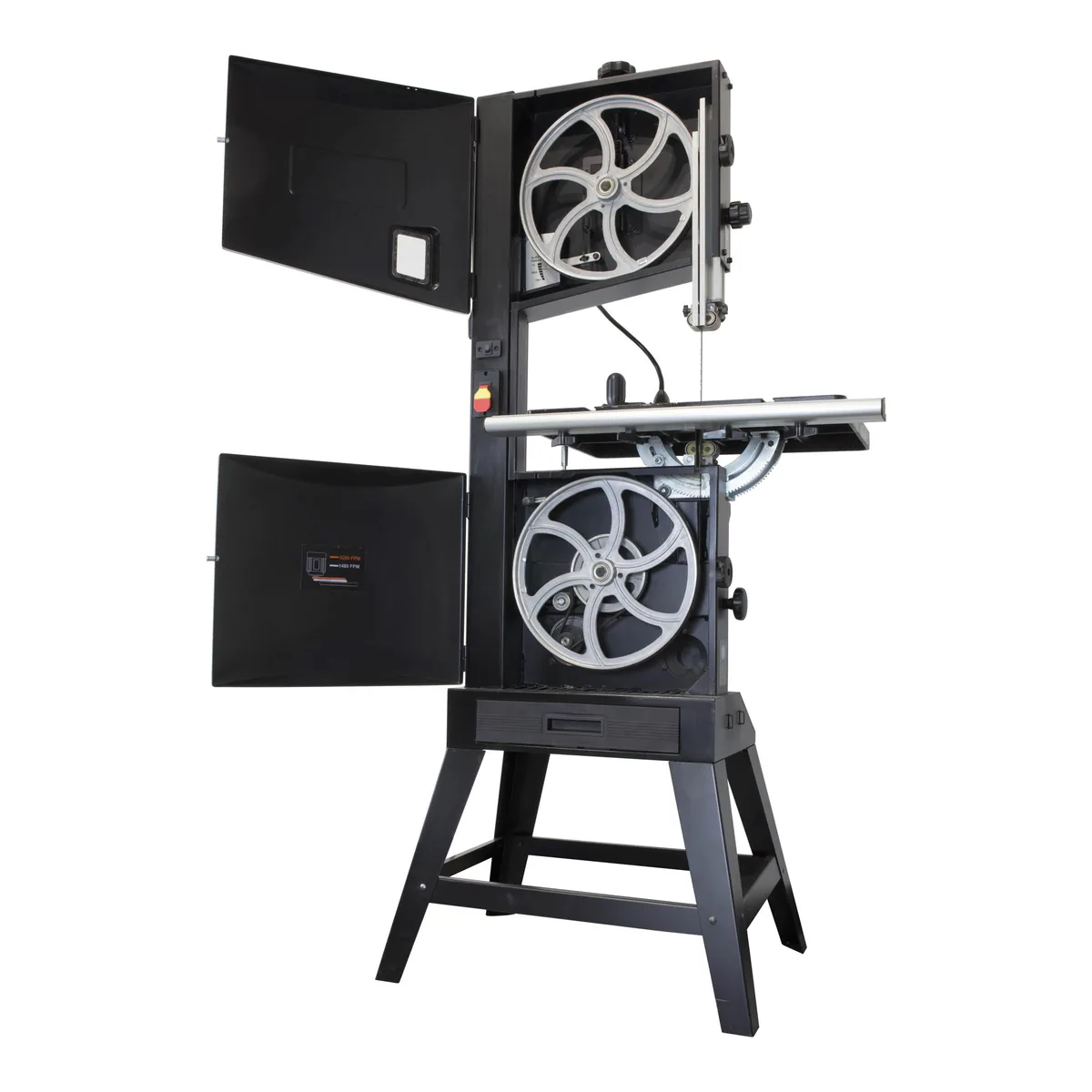
This WEN 14 inch bandsaw ships as a two speed bandsaw with stand and a worklight already included, which is most of the appeal against a bare tool at the same resaw depth. A saw whose own paperwork cannot agree on a table size still earns a place in the shop when the figures a purchase turns on, resaw depth and motor draw, hold up under a second look. Here they do.
WEN BA1487 resaw capacity: 8.85 inches, and what that opens up
"14 inch" here names the saw's class, the wheel size WEN builds around. It says nothing about what the saw resaws. Cutting depth is 8.85 inches under a 13-3/8 inch throat, both from the manual, a real step up from the smaller WEN BA3962's 6 inches for not much more saw. That extra depth reaches most furniture stock and shop-sawn veneer a 10 inch saw cannot touch, and it gets there without a jump to a 3 HP machine and the 230 volt circuit that comes with one.
Read where 14 inches actually decides a purchase before you assume bigger always wins. The throat number on the badge and the resaw number under the guides answer different questions. On this shelf, the RIKON 14 Deluxe and the 15 inch class JET JWBS-15 both resaw a genuine 14 inches where this one resaws 8.85.
A 9.5 amp motor on a standard outlet
Less current, less resaw. That trade is the real reason to buy this saw over the two deeper-resawing machines above it. The motor draws 9.5 amps at 120 volt, 60 Hz, the only voltage it offers, running two speeds of 1,480 and 3,280 FPM. The RIKON 14 Deluxe draws 14 amps at 115 volt for its full 14 inches of resaw, and the JET JWBS-15 asks for a dedicated 20 amp circuit for the same reason. Both are dual-voltage motors that deliver the same rated horsepower whether wired 115 or 230, so a step up to 230 only lowers their current draw. It adds no power. The WEN skips that choice entirely and simply asks less of whatever circuit it plugs into, in exchange for less saw.
Blade, guides and the tension gauge window
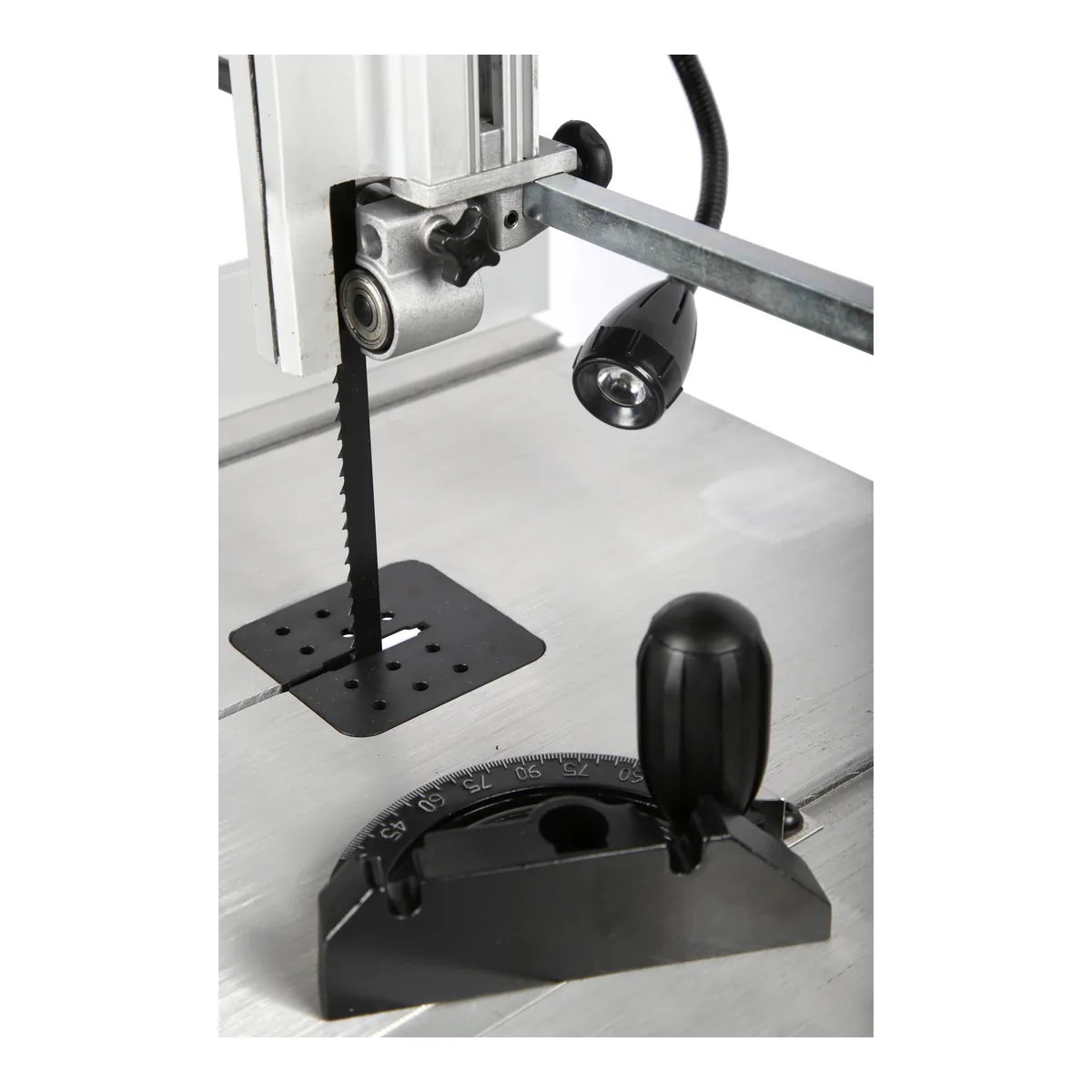
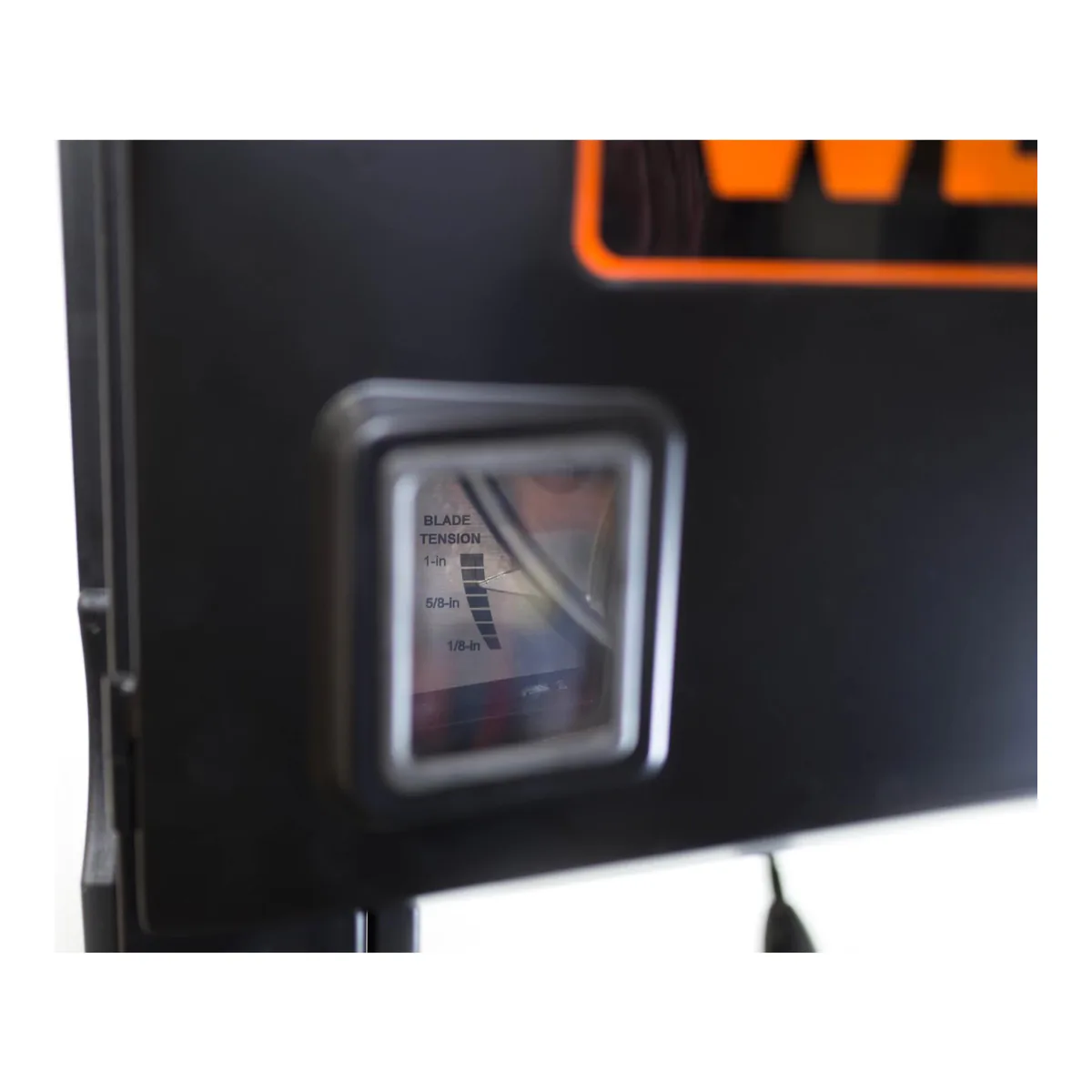
It takes a 100-3/4 inch blade from 1/8 to 1 inch wide, and it ships with a 1/2 inch blade already installed. A circle cutting guide is included too, rated on the product page to 32 inches in diameter, a figure the manual's own circle-cutting table does not separately confirm. A small window in the upper housing shows the blade tension gauge directly, a real convenience over guessing at deflection by eye. WEN pairs that with a sawdust collection drawer under the table, plus a dust port sized for 1-3/4, 2-3/4 and 3-3/4 inch hose per the manual's operating instructions. The product page's marketing bullet prints a 4 inch figure instead.
Check the belt monthly regardless. The manual's own maintenance schedule calls for inspecting the V-belt for tension and wear once a month. It drives both cutting speeds, so catch a belt that has started to glaze or crack before it slips under load.
Which numbers to actually build around
If you are squaring an outfeed table, a fence extension or a zero-clearance insert to this saw, use the manual's 18.90 by 15.35 inch table and ignore the two larger figures on WEN's own product page. Use the manual's 3-3/4 inch dust port step too, and not the "4 inch" the marketing bullet claims. The smallest number in that dust collection chain is what your collector actually sees, and a saw this size rewards building the shop around its real dimensions over the ones the sales copy prints. Skip it if 8.85 inches will not cover what you resaw: the RIKON and JET reviewed above both resaw a genuine 14 inches for that reason, at a higher amp draw this saw was built to avoid.
A closer look at the WEN BA1487
Made up your mind?