WEN BA3962 review: what six inches of resaw buys you
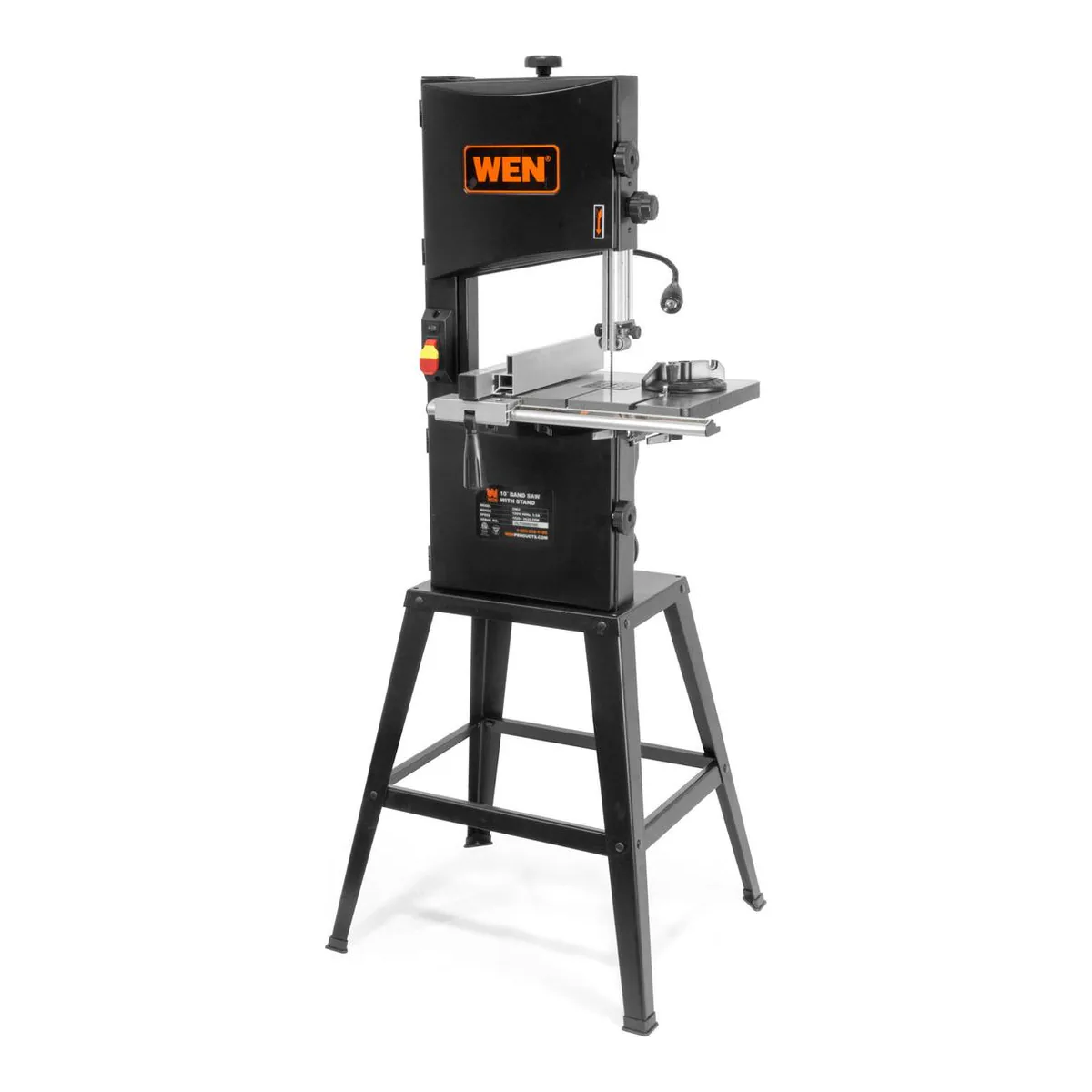
The WEN BA3962 is an honest 10 inch bandsaw for a shop with no spare 230 volt circuit, held to 6 inches of resaw by its size. The motor is not what limits it.
- 3.5 amp motor creates cuts up to six inches deep and 9-3/4 inches wide
- Uses 72-inch blades anywhere from 1/8 to 1/2 inches in size
- Operates at two speeds of either 1520 or 2620 FPM
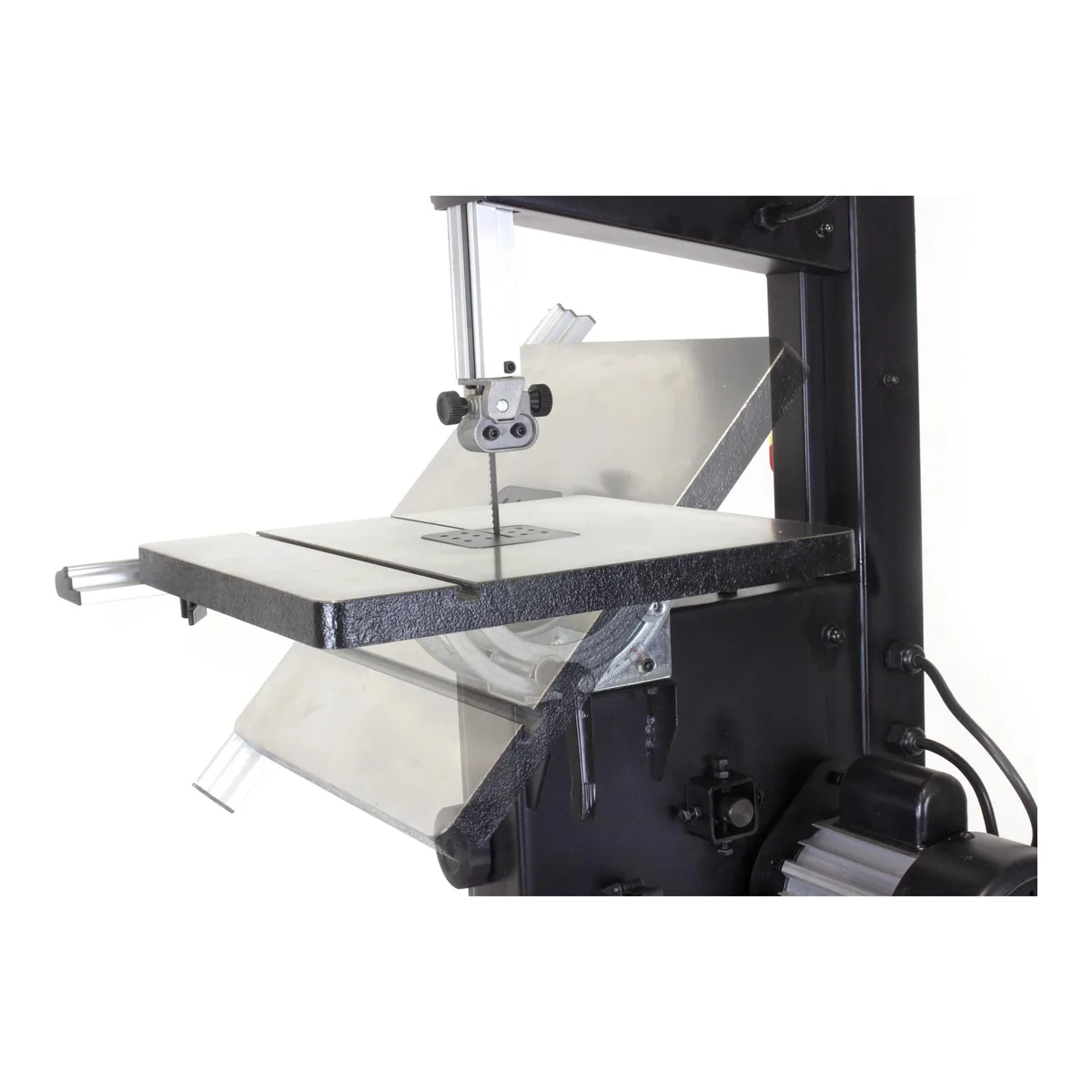
- 14-1/8 x 12-1/2 inch cast aluminum work table bevels up to 45 degrees
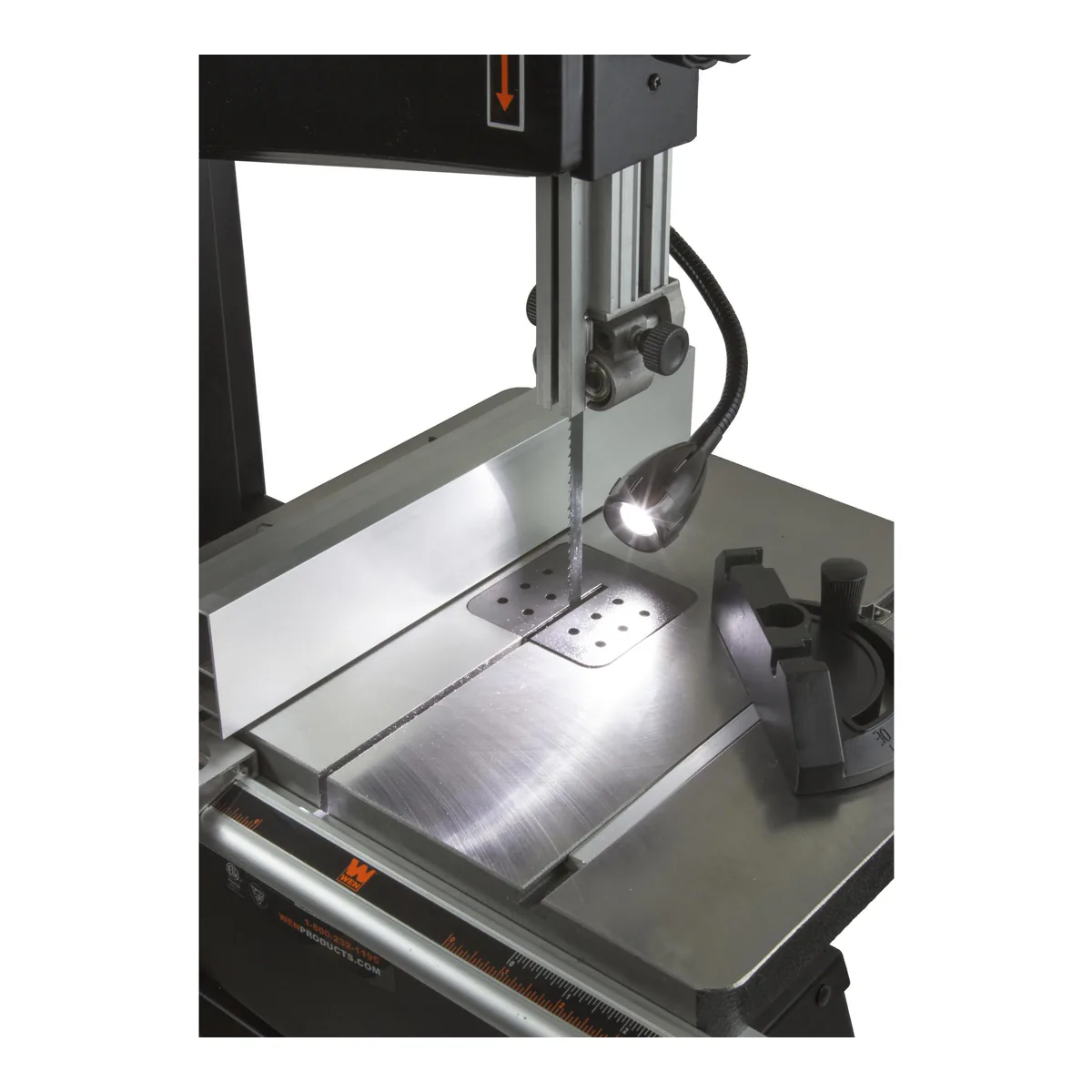
- Includes a work light, a 3-in-1 dust port, a fence, a miter gauge and a 3/8-inch blade (6 TPI)
We earn a commission on qualifying purchases through the links here, at no cost to you. It never decides what makes the list.
Six inches. WEN's own manual gives that as the maximum workpiece thickness for this 10 inch bandsaw, and it settles the WEN BA3962 before the stand, the worklight or anything else on the spec sheet gets a vote. Read it as a hard ceiling. If your stock regularly runs thicker, stop here, because everything below is about to talk you out of the saw.
This WEN band saw is the compact pick on the bandsaw shortlist. Room for one machine, a single 120 volt outlet, nothing more: that is the shop it was drawn for. A resaw specialist wants something else. What follows comes from WEN's product page and instruction manual, so it leads with what the documentation states and says where that stops.
WEN BA3962 resaw capacity: six inches, and a 9-3/4 inch throat behind it
The BA3962 cuts up to 6 inches deep and 9-3/4 inches wide, WEN's own figures for maximum workpiece thickness and throat. Both describe a saw sized for curves, joinery and stock you can already lift with one hand. Breaking a wide board into veneer is a job for something bigger. A 14 inch saw like the RIKON 14 Deluxe more than doubles that resaw depth, so somebody resawing regularly should be reading that review. Buy the BA3962 because the shop is small. The badge saying 10 inches is no reason at all. Size the saw to the cut you actually make before the throat number makes the call for you.
A 120 volt motor that never asks for a dedicated circuit
Small shop, small draw: the motor is 3.5 amps at 120 volt, 60 Hz, and it runs on a standard outlet. A garage with no 230 volt line gives up nothing here. Nothing about that electrical draw asks for planning ahead the way a 3 HP resaw saw does, and to somebody wiring a garage from scratch that counts for as much as the resaw number.
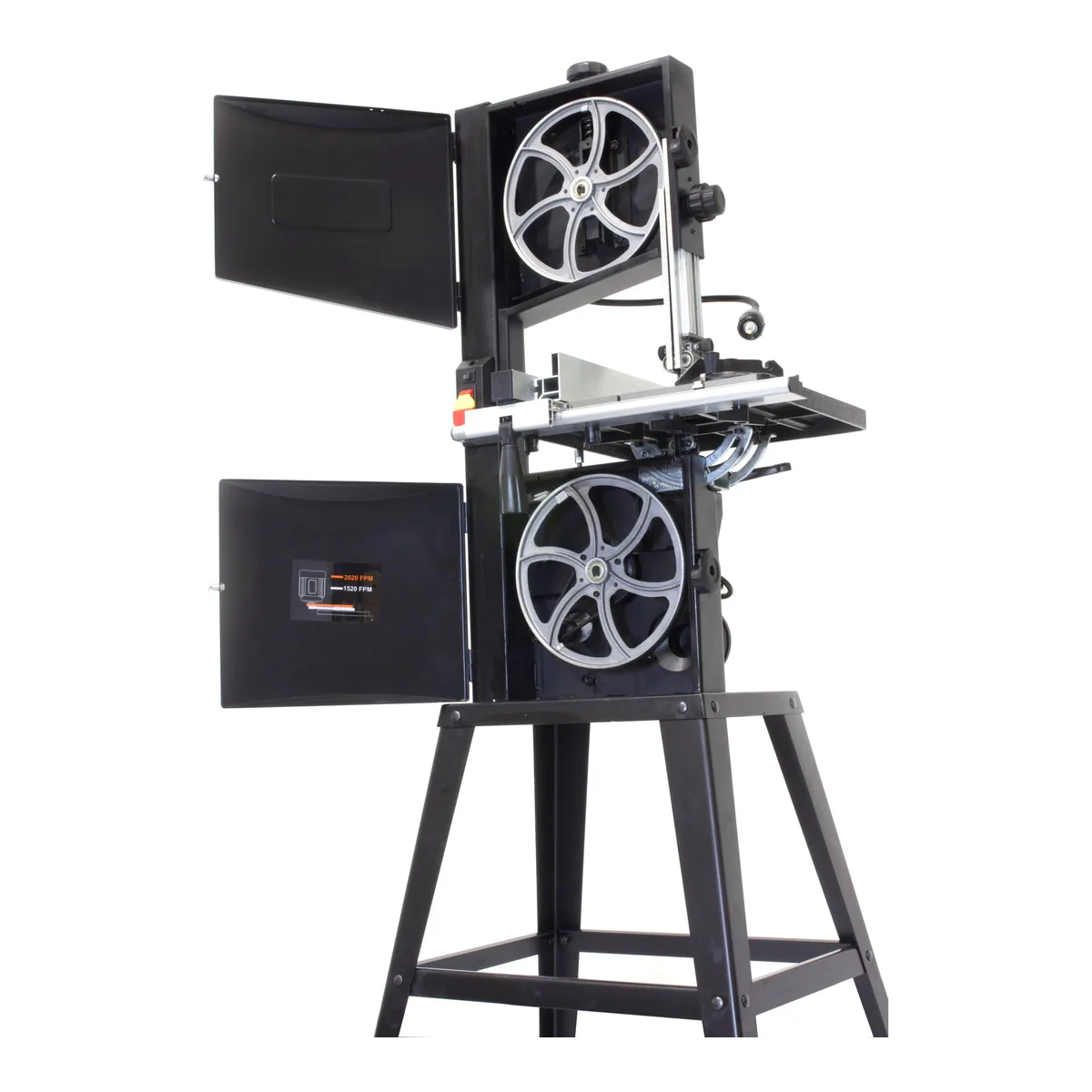
Two speeds are available, 1,520 FPM for hardwood and 2,620 FPM for softwood. WEN's own manual is clear that changing between them is a real adjustment. No speed switch sits on the housing. The saw has to be unplugged, the lower door opened, and a screw on the motor mount loosened to slack the drive belt before it can be repositioned on the motor pulley by hand. Budget a few minutes for that the first time you need the other speed.
Blade, table and tilt
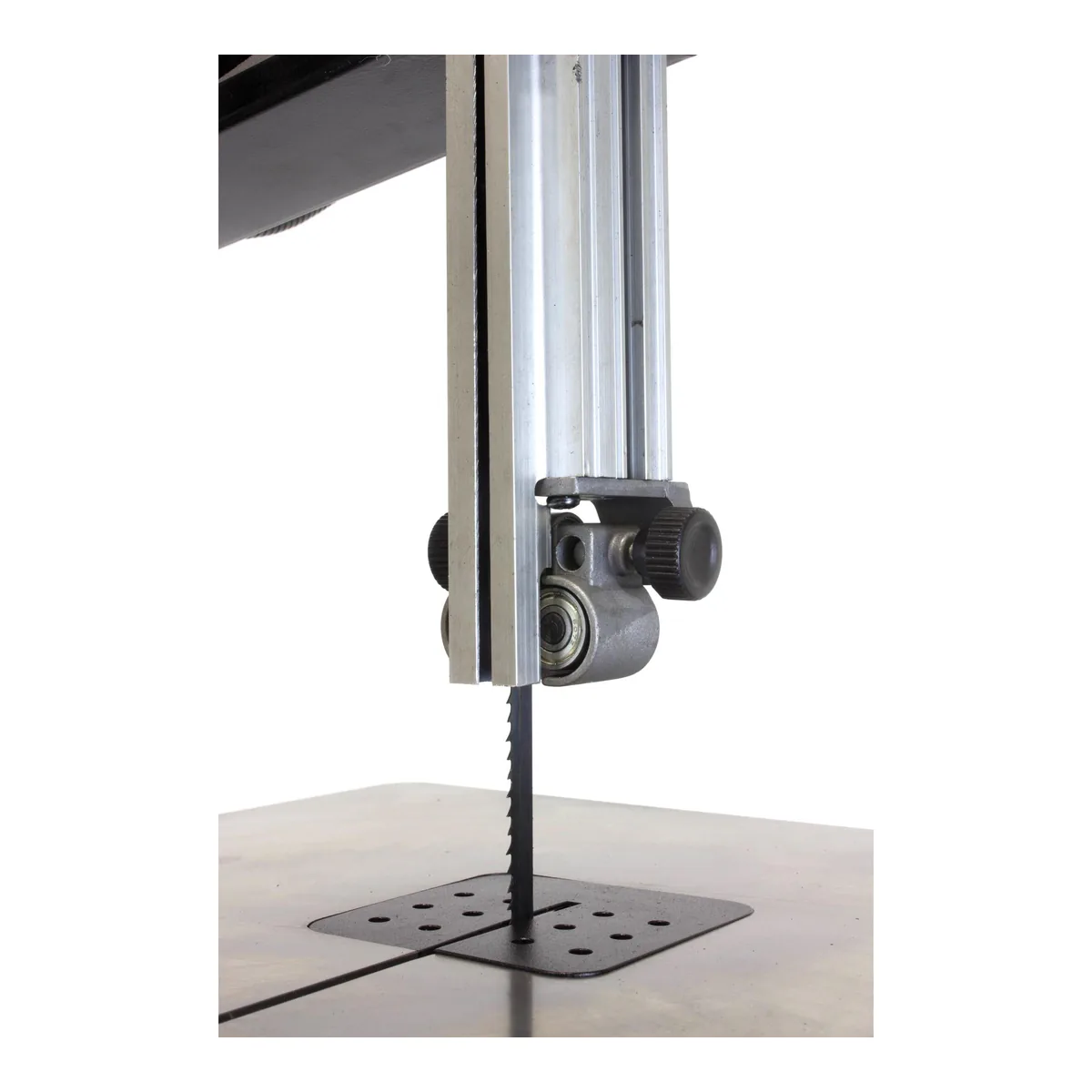
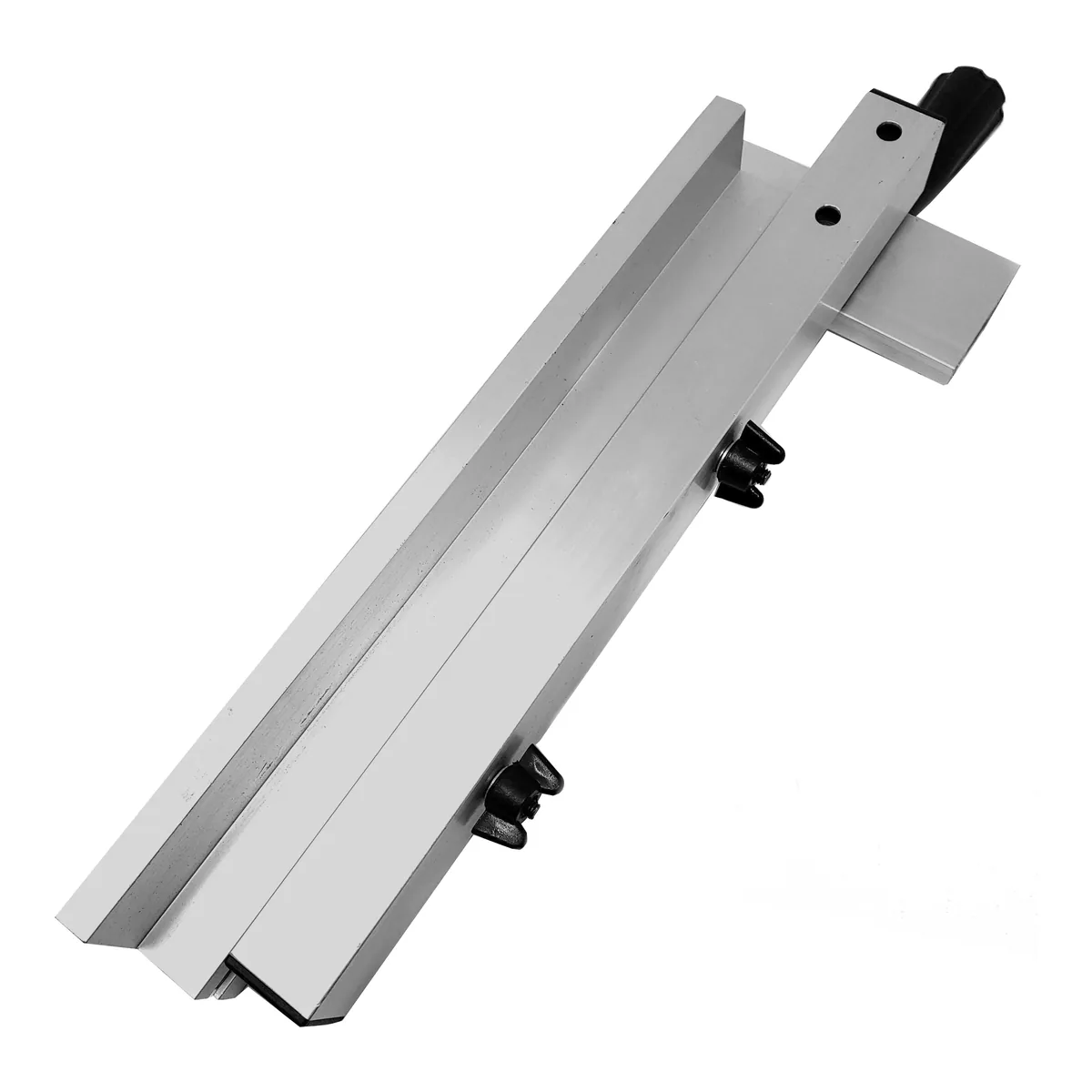
It takes 72 inch blades from 1/8 to 1/2 inch wide, and ships with a 3/8 inch, 6 TPI blade already installed. The 14-1/8 by 12-1/2 inch cast aluminum table bevels a full 45 degrees. A fence and a miter gauge come in the box. The 3-in-1 dust port is rated for 1-3/4, 2-3/4 and 4 inch hose on the spec sheet, though the manual's own operating instructions mention only the 2 and 4 inch steps in practice.
That top step differs from the one on the WEN BA1487 above it on this shelf, whose own manual documents a 3-3/4 inch third step where this one is rated for 4, so check the actual fitting before assuming the two saws share a hose. Either way, sizing a collector by port diameter rather than its motor applies here too, even on the smallest machine on the list.
The footprint the stand actually needs
With its stand assembled, WEN states the BA3962's footprint at 26.5 by 21 by 58.5 inches, and the whole saw weighs 73.5 pounds. Measure the corner it is going in before the box arrives. A bandsaw for a small shop earns that name by fitting the shop, and here the footprint carries as much of the sales pitch as the resaw number.
Keep the tracking set after every blade change
WEN ships the tracking set at the factory. Installing a new blade may knock it off, and the manual's own procedure for resetting it is straightforward: loosen the tracking lock knob, turn the upper wheel by hand while watching where the blade rides, then nudge the tracking knob a quarter turn at a time until the tooth gullets sit centered over the tire. Two minutes of work, and nothing has to be repaired.
WEN's own troubleshooting table actually blames a different setting first. For a blade that will not track properly or that drifts mid-cut, improper blade tension is the first cause listed, ahead of the tracking knob itself. So check tension before touching tracking. Both are routine care on any bandsaw. Neither is a defect on this one, and both belong in the routine every time a blade goes on, not only once something already feels wrong.
A closer look at the WEN BA3962
Made up your mind?