MOVA Robot Lawn Mowers Compared (LiDAX Ultra 1000, 2000, 2000 AWD, 3000 AWD)
Most half acre yards with any real slope want the 2000 AWD. The plain 1000 and 2000 are worth buying only on a small, flat lawn, since MOVA caps both at a 45 percent slope no matter which one you pay for. Skip the 3000 AWD unless the single mapped lawn itself needs to be bigger than 0.5 acre, since MOVA's own spec table gives it no more battery, runtime or per-charge mowing area than the 2000 AWD.
We earn a commission on qualifying purchases through the links here, at no cost to you. It never decides what makes the list.
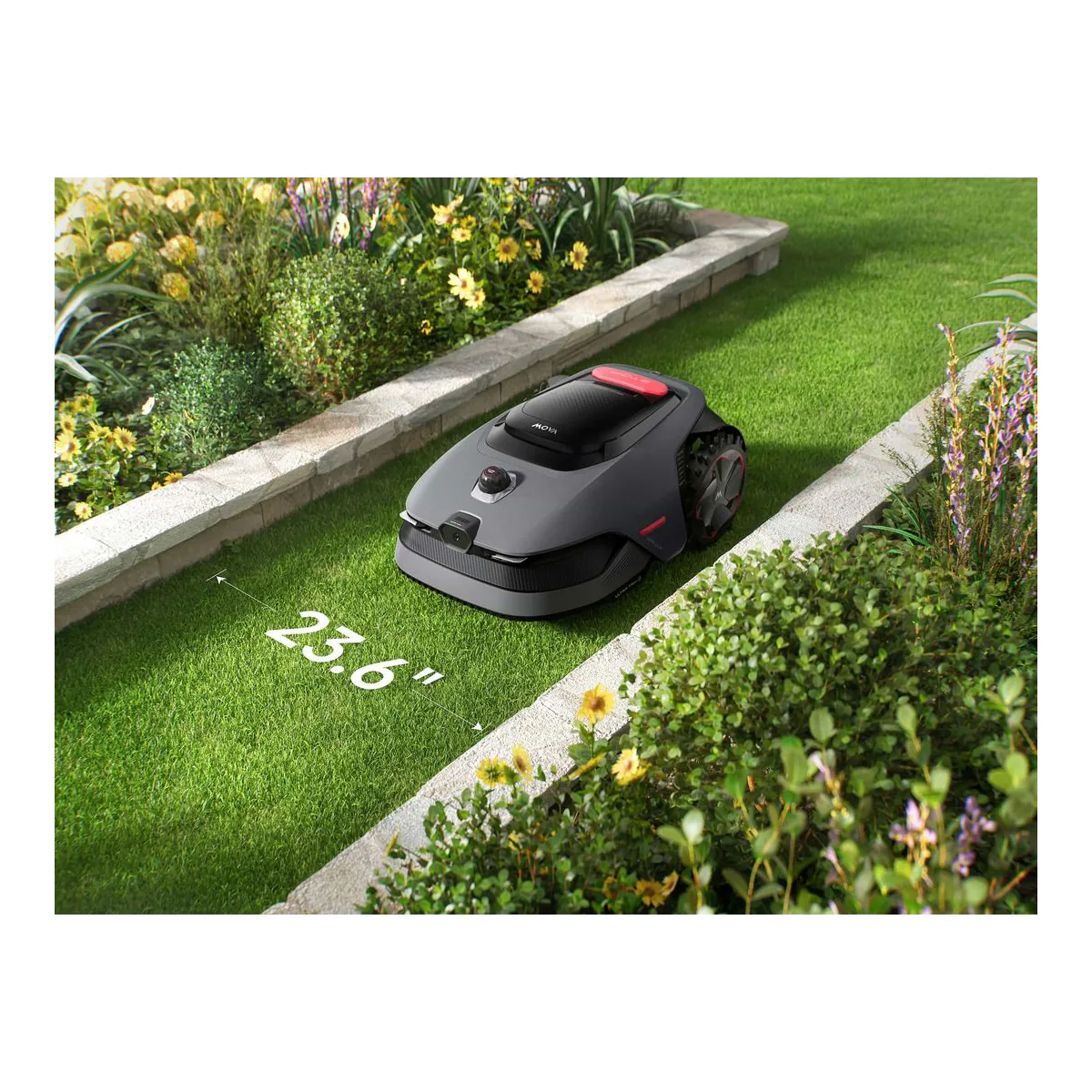
MOVA LiDAX Ultra 1000
Stop here if a small, flat lawn where a quarter acre is the real ceiling and the lowest price in the line matters more than headroom.
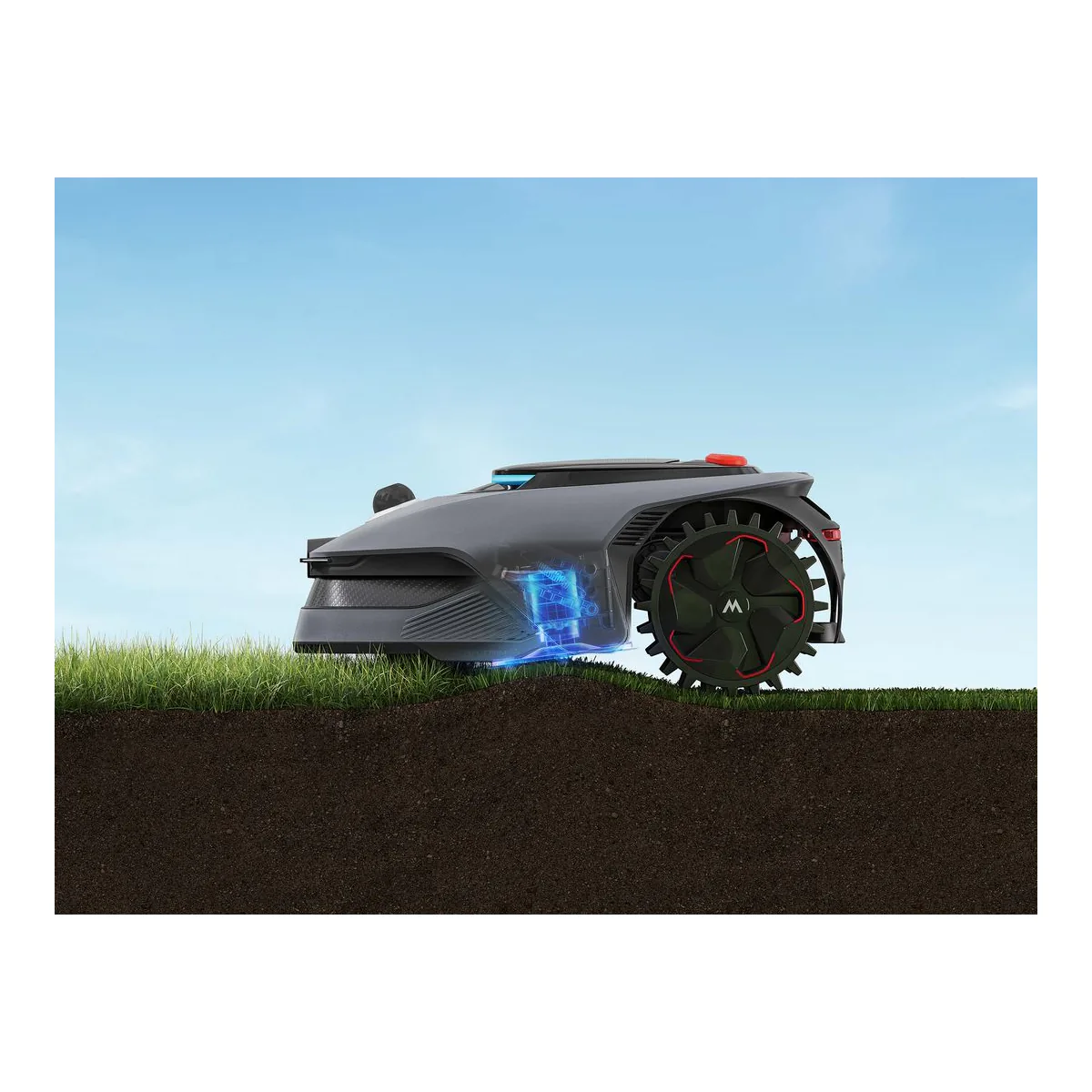
MOVA LiDAX Ultra 2000
Stop here if a flat half acre where the budget matters more than all wheel drive, and where the lawn has no real hills. If it does, the rating alone will not get this rung up them.
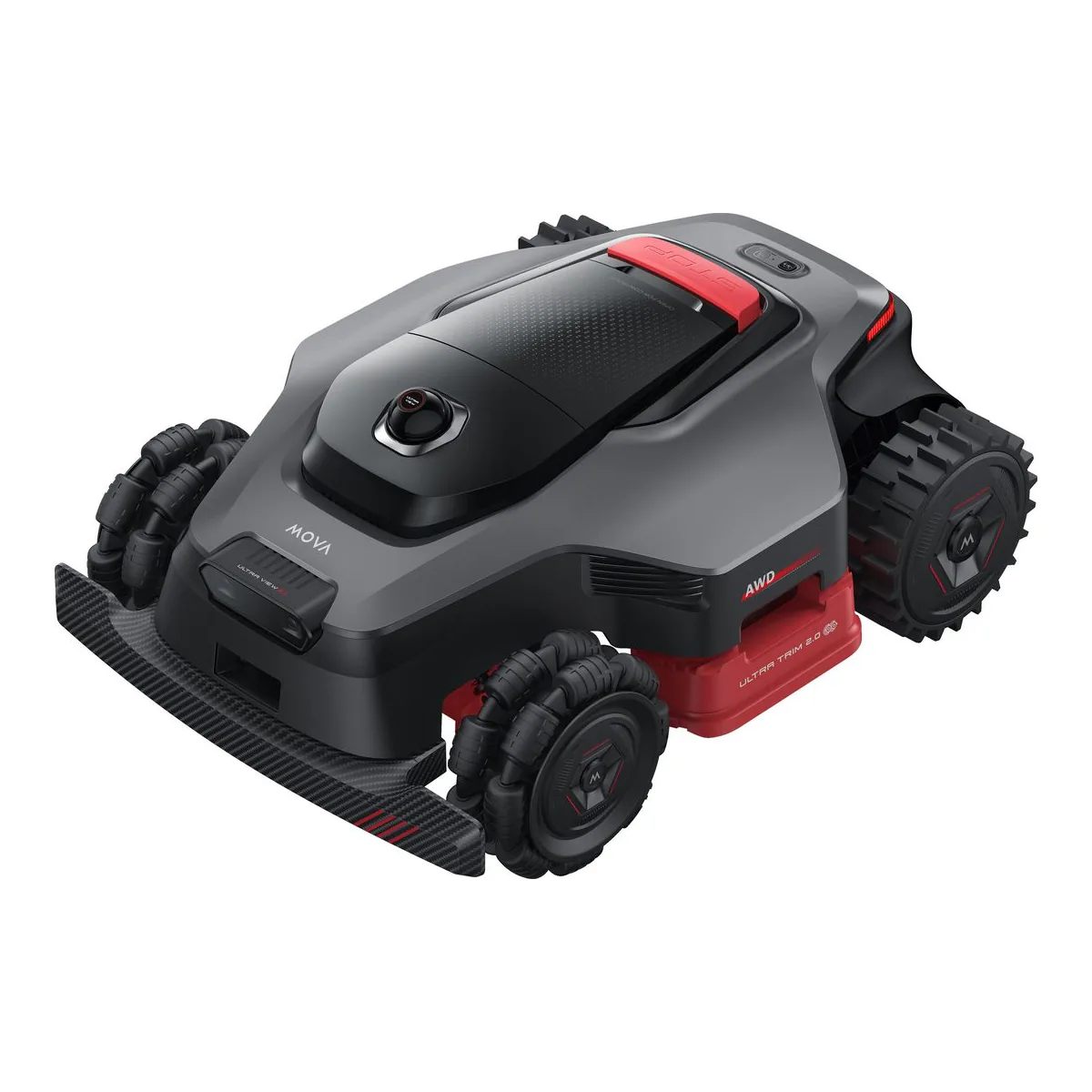
MOVA LiDAX Ultra 2000 AWD
Stop here if a half acre with real slope, uneven ground or obstacles in it. Our full review of the 2000 AWD covers this rung.
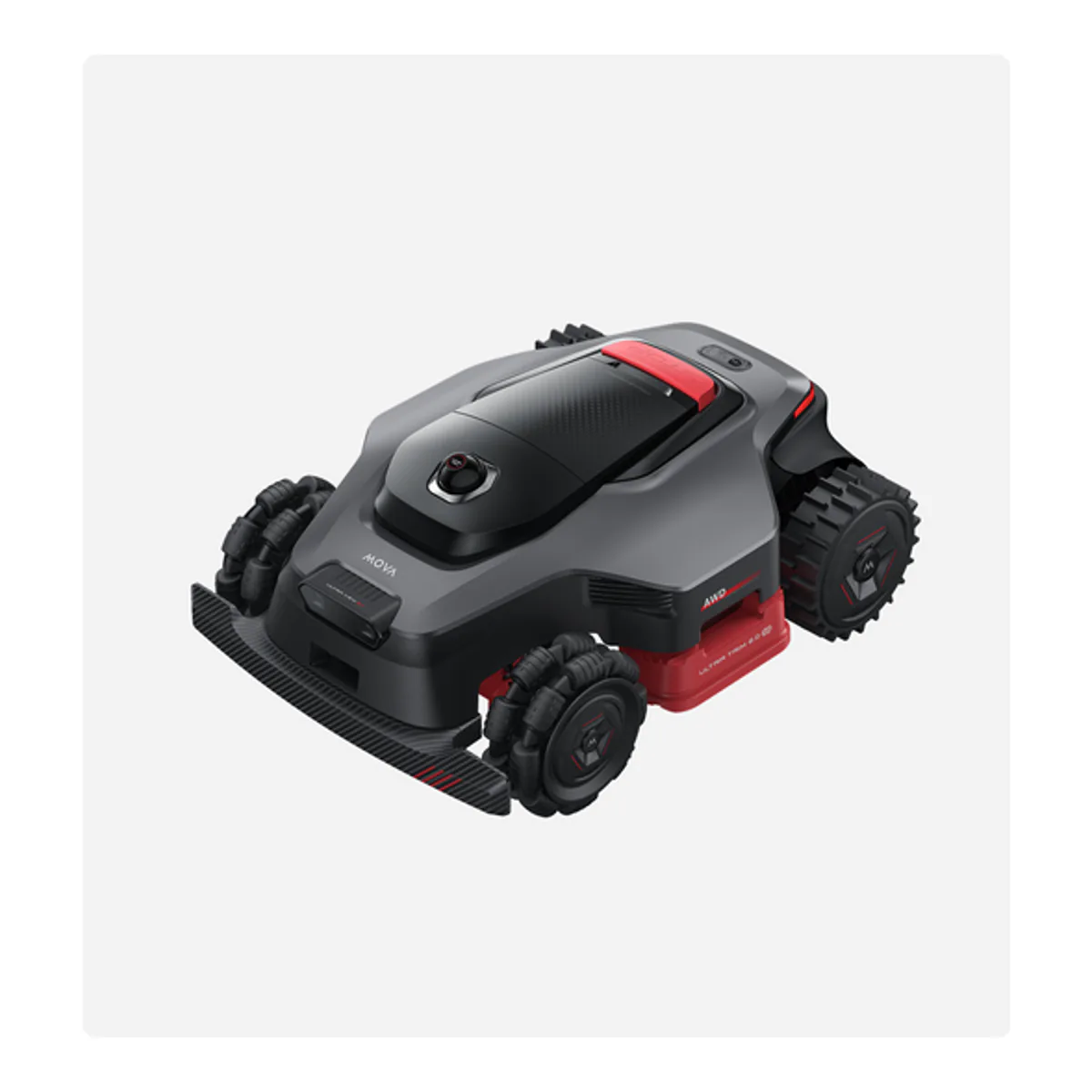
MOVA LiDAX Ultra 3000 AWD
Stop here if a single lawn bigger than 0.5 acre that still needs to live on one map. A buyer chasing more mowing per charge gains nothing here. Read that as a mapping ceiling raised, with no faster or longer-running machine behind it.
| Coverage | Drive | Cutting width | Slope | Battery | Mowing time per charge | Weight | |
|---|---|---|---|---|---|---|---|
| MOVA LiDAX Ultra 1000 | 0.25 acre | Rear-wheel drive | 7.9 in | 45% (24°) | 4Ah, 60 min charge | 60 to 80 min | 30.2 lbs |
| MOVA LiDAX Ultra 2000 | 0.5 acre | Rear-wheel drive | 7.9 in | 45% (24°) | 5Ah, 65 min charge | 70 to 90 min | 30.4 lbs |
| MOVA LiDAX Ultra 2000 AWD | 0.5 acre | AWD, 4 hub motors | 15.8 in, 2 discs | 80% (38.6°) | 7.5Ah, 65 min charge | 150 to 170 min, 0.2 to 0.25 acre mowed | 52.0 lbs |
| MOVA LiDAX Ultra 3000 AWD | 0.75 acre | AWD, 4 hub motors | 15.8 in, 2 discs | 80% (38.6°) | 7.5Ah, 65 min charge | 150 to 170 min, 0.2 to 0.25 acre mowed | 52.0 lbs |
Shopping for MOVA robot lawn mowers looks like picking a size off a ladder: 1000, 2000, 2000 AWD, 3000 AWD. It is not that simple. Read MOVA's own spec tables for all four and the line splits into two different mowers wearing four badges, and the split is the drivetrain, not the rated acreage in each name.
MOVA robot lawn mowers: two drivetrains, not four sizes
The 1000 and the 2000 share one chassis: rear-wheel drive, a single 7.9 in cutting width, and a 45 percent (24 degree) slope ceiling on both, regardless of which one costs more. The 2000 AWD and the 3000 AWD share a second, larger chassis: four 116W hub motors, a 15.8 in cutting width across two discs, and an 80 percent (38.6 degree) slope ceiling, nearly double the rear-wheel-drive pair's. All four run the same wire-free, RTK-free navigation, 360 degree 3D LiDAR paired with AI vision (a single camera under UltraView 2.0 on the 1000 and 2000, dual cameras under UltraView 3.0 on the AWD pair), so none of them needs a boundary wire or a staked antenna. What changes is what carries that navigation across the ground underneath it.
MOVA prices coverage into every name in the line, and coverage is real: 0.25 acre for the 1000, 0.5 for the 2000 and the 2000 AWD, 0.75 for the 3000 AWD. But it answers a different question than slope does, and a rated coverage number says nothing about whether the mower can actually climb the lawn it is rated for. A flat 0.4 acre lot is within the 2000's own rating and still outside what its 45 percent slope ceiling can handle if that lot has a real grade anywhere in it. If slope is the actual unknown, work out how much grade the yard carries before any of these four names decides anything.
Basis: manufacturer specification tables for all four rungs, fetched directly from each model's own product page.
The 1000 and 2000: the same slope ceiling, a bigger battery
Nothing about ground clearance, drivetrain or slope changes between the 1000 and the 2000. Both climb 45 percent (24 degrees) and no further, both cut a 7.9 in swath, and both cross vertical obstacles no taller than 1.6 in. What actually moves is the battery and the coverage it is asked to reach: a 4Ah pack against a 5Ah pack, a 60 minute charge against 65, and 60 to 80 minutes of mowing per charge against 70 to 90. The 2000 also bundles a free first year of MOVA's link module service. MOVA's own spec table lists that service as merely optional on the 1000, without stating a cost either way.
None of that touches slope.
A quarter acre with a grade steeper than 24 degrees needs the AWD side of this line, at a quarter of the acreage the 1000 is rated for, because the battery difference between the 1000 and the 2000 never shows up as a climbing difference.
The 2000 AWD and 3000 AWD: the same mower, a bigger map
This is the pairing where the rated coverage stops tracking anything else on the spec sheet. MOVA's own page for the 3000 AWD lists a 7.5Ah battery, a 65 minute charge, a 150 to 170 minute runtime and a 0.2 to 0.25 acre per-charge mowing area. Every one of those four figures is identical, digit for digit, to what the 2000 AWD's own page states. The only line that changes between the two tables is the mapping area itself: 0.5 acre for the 2000 AWD, 0.75 for the 3000 AWD.
Buy the 3000 AWD only when a single contiguous lawn needs to live on one map larger than 0.5 acre.
It is not a machine that mows more per charge, runs longer, or cuts through a steeper yard than its sibling. Anyone choosing between the two on a smaller lawn is paying for a map ceiling they will not use, and paying it on the strength of a bigger-sounding name rather than a single spec that actually moved.
Who should stop where
The 1000 or the plain 2000 make sense only on a flat, small lawn with no real grade, and even then the 2000 earns its small premium with the bigger battery unless the extra acreage goes unused. The moment the yard has a real hill, a retaining wall to climb past or rough ground anywhere in it, pay for the AWD side of this line. The 2000 AWD is where our own review puts it to work on that kind of half acre. Step up to the 3000 AWD only for a single lawn that will not fit inside the 2000 AWD's 0.5 acre map, since nothing else about the two machines is different.
MOVA is one wire-free, RTK-free brand among several on the shelf. Weigh it against the full field of robot mower picks, or see how a staked antenna changes the calculus entirely on our ECOVACS RTK antenna comparison, before settling on a drivetrain.