Sony a6700 review: 80 owners and Sony's heat table (ILCE-6700)
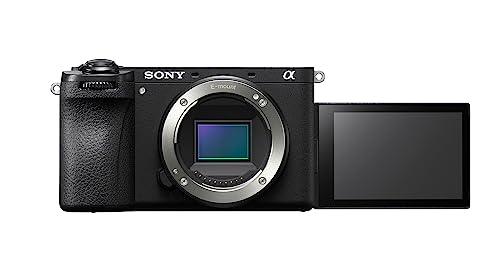
A small APS-C body that steadies the sensor itself, oversamples 4K 60p from 6K and tracks birds and animals, which is why owners use it as a first serious camera and as a second body beside full frame. Skip it if you film long continuous takes handheld: Sony's own help guide gives about 5 minutes of 4K at 77°F on the Standard heat setting, and the 30 minute setting is tripod only.
- 26.0MP back-illuminated Exmor R APS-C CMOS sensor with the BIONZ XR processor and a dedicated AI processing unit
- 5-axis in-body image stabilization, rated by Sony up to 5.5 stops
- Fast Hybrid AF with 759 phase-detection points covering about 93 percent of the frame for stills, and 495 points for video
- Real-time Recognition and Real-time Tracking with Eye AF for humans, animals and birds
- UHD 4K up to 60p oversampled from 6K, and up to 120p with an approximately 38 percent crop, in 10-bit 4:2:2
- Up to 11 fps continuous with AF and AE, ISO 100 to 32,000 and expandable to 50 to 102,400
- NP-FZ100 battery, rated by Sony at about 570 shots on the LCD and 550 through the viewfinder
We earn a commission on qualifying purchases through the links here, at no cost to you. It never decides what makes the list.
Phone video shakes, and a phone cannot change lenses. The Sony a6700 fixes both in a body that weighs 411 grams without battery, card or lens: five axes of stabilization move the sensor, so even an unstabilized prime gets steadied, and the mount is Sony's E-mount, shared with its full frame bodies. That combination is why this APS-C mirrorless camera holds a slot on our mirrorless camera picks.
The catch is heat, and Sony prints it.
What follows rests on Sony's product page and its online help guide for the Sony Alpha 6700 (ILCE-6700), B&H's specification table, the live listing (body only, no lens), CineD's instrumented lab test, and 80 people who say they own an a6700 among 519 commenting on 13 videos about it (how we count). Eight of those 80 also own a full frame body, and nine call it their first camera. Five came up from an older a6000 series body, an a6300, a6500 or a6600, and four more from a Canon or a Nikon.
In-body stabilization: why the Sony a6700 exists
Sony rates the sensor shift at up to 5.5 stops and says it works across E-mount lenses including non-stabilized primes. That second half is the useful part, because an unstabilized prime on an a6400 is shot bare. We set the two bodies side by side in the a6700 against the a6400.
For video there is a stronger Active Mode, and Sony's footnotes attach two conditions to it: a slight crop, and no Active Mode at 120 fps or higher.
Autofocus points and coverage
759 phase detection points over about 93 percent of the frame for stills, 495 for video, and a dedicated AI processor doing subject recognition for humans, animals and birds.
Owners are more emphatic than the spec sheet. Five praise the autofocus, and three shoot wildlife with it. One who took it to South Africa with a 70-350mm zoom writes "The autofocus is amazing, I got some really good photos of animals". Another, using it since release, says it "can easily pick out small birds in a tree". A third bought it alongside a 200-600mm as their very first camera setup and reports no regrets.
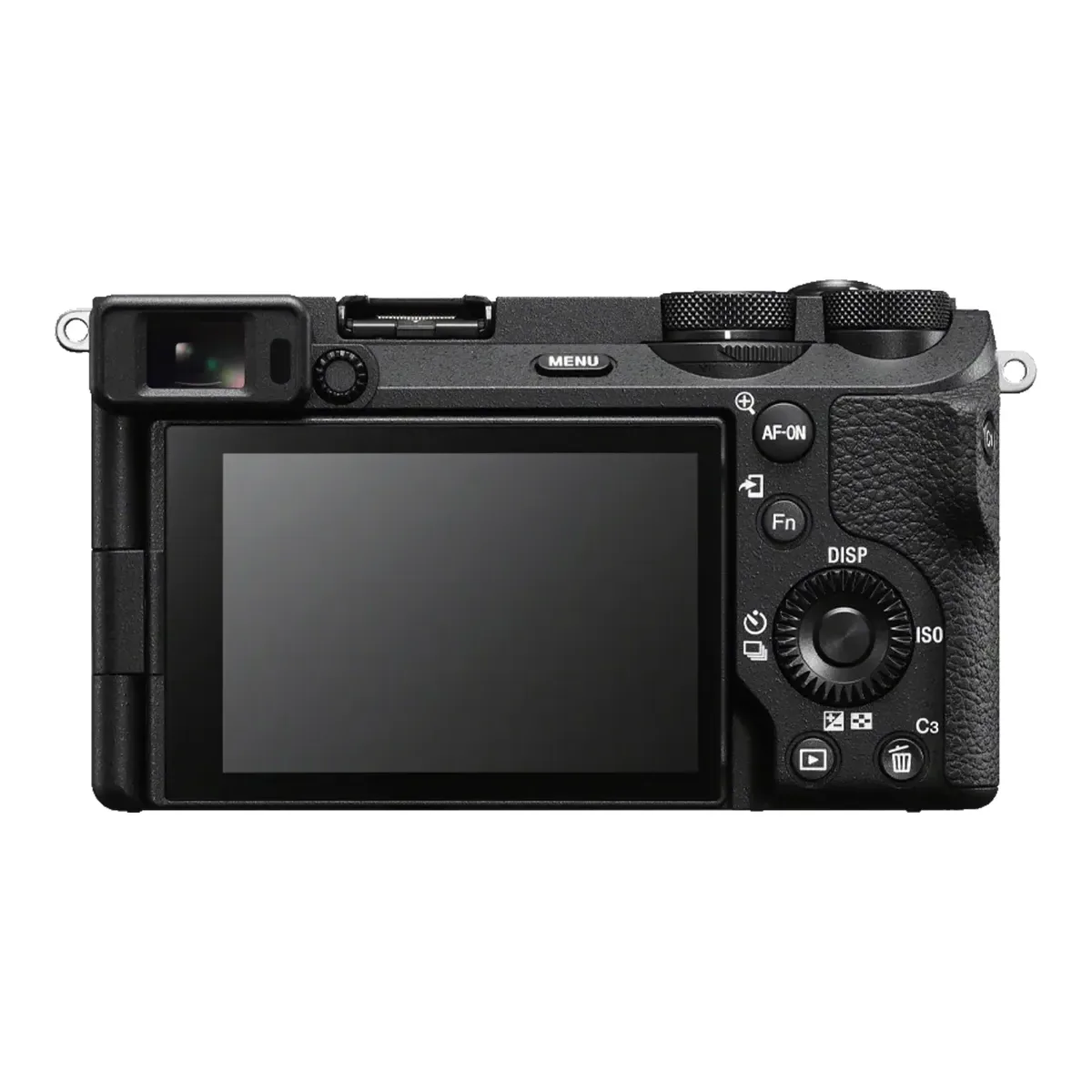
There is no joystick on the back. One owner of a year moves the focus point with the touchscreen while their eye is at the viewfinder, and calls it a workable substitute that falls short of a real one.
Sensor and processor
26.0 megapixels on a back-illuminated Exmor R APS-C sensor, fed by BIONZ XR. CineD measured it in the lab: 11.2 stops of dynamic range at a signal to noise ratio of 2 and 12.4 at 1, in 4K at ISO 800, and 8 stops of exposure latitude, which they put on par with many full frame cameras. Rolling shutter got a cooler verdict. 15.9ms in 4K 25p is "a good but average result for an APS-C sensor".
Owners split on low light. One who often shoots in dim light is selling theirs over noise, while calling the rest of the camera fantastic. Another, an owner of more than a year, says it performs insanely well at night for an APS-C camera, and no other owner in the count raises noise.
Video ceiling, and Sony a6700 overheating
The ceiling is high: 4K up to 60p oversampled from 6K, 10-bit 4:2:2 in Long GOP or All-Intra, S-Log3, and LUTs in camera. Sony a6700 4K 120p exists with an approximately 38 percent crop. CineD measured both sides of it: rolling shutter improves to 8.1ms, while dynamic range drops to 9.51 stops at SNR 2.
Then read Sony's own help guide before you plan a long take. With Auto Power OFF Temp. on Standard, Sony gives continuous 4K recording of approximately 5 minutes at 77°F, against about 120 minutes for HD, in its 60p 150M 8-bit 4:2:0 test setting, starting from a cold camera. Set it to High and 4K stretches to about 30 minutes at 77°F and about 10 at 104°F. The same guide says of High: "Do not shoot while holding the camera in your hand. Use a tripod."
So the setting that buys the long take is the one Sony tells you not to hold, on a camera bought for its handheld stabilization.
Owners land in the same place, though none says which heat setting they used. Four of the 80 report overheating. One measured 31 minutes of 4K 60p indoors at around 72°F, close to Sony's High row, and says that covers their needs, while another, shooting outdoors in a hot climate, says it "shuts down in 25 minutes". Five run a clip-on cooling fan. One says the fan stretches 4K 60p to 50 minutes, and another found the Tilta fan far louder than the Ulanzi they switched to, which matters if the camera's own microphone is recording. One owner says theirs has never overheated.
Past that, the fix is a tripod plus High plus a fan, or a different camera. For an external recorder, the output is micro HDMI.
Continuous shooting
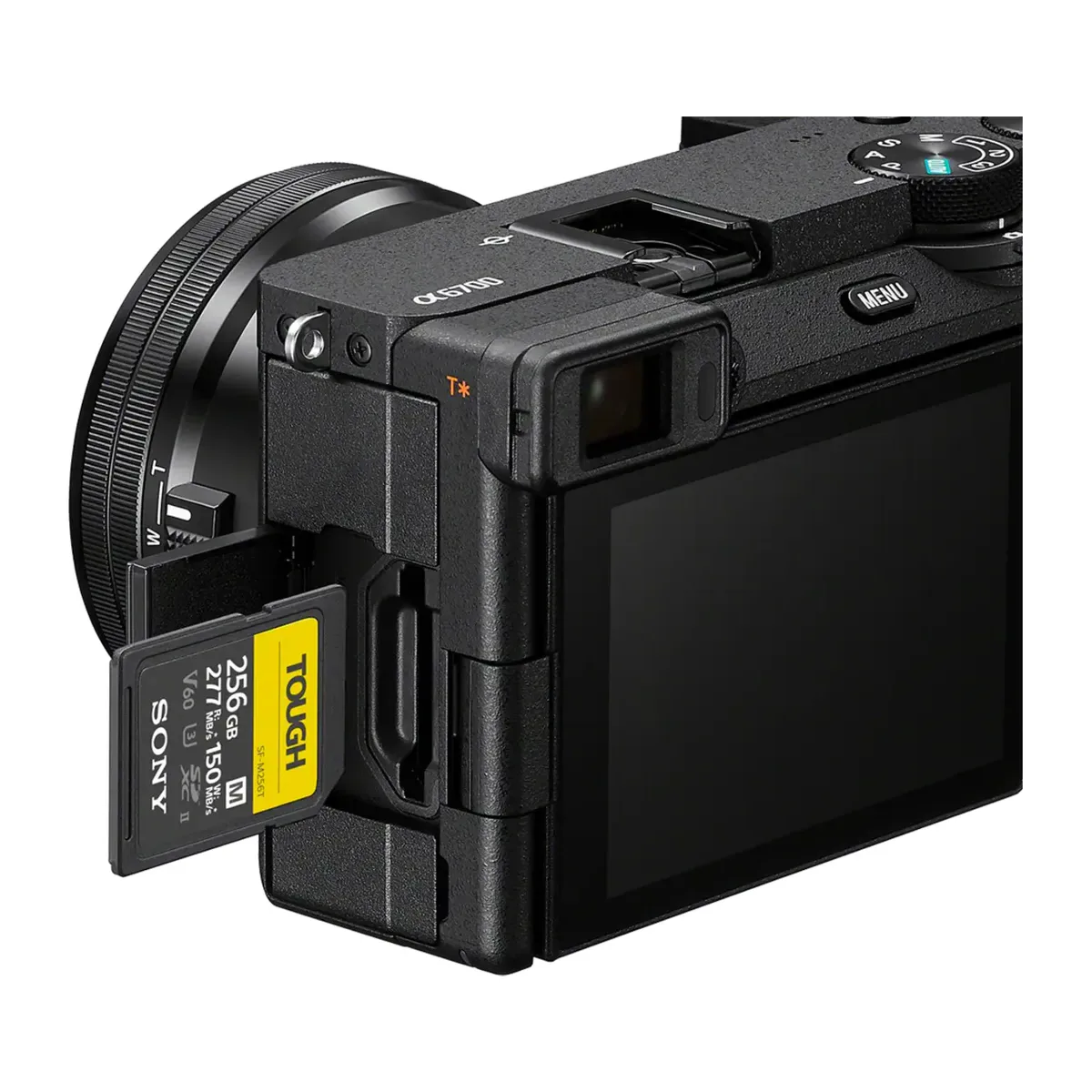
Up to 11 frames a second with autofocus and exposure tracking, with a buffer of up to 59 compressed raw frames per B&H, onto one UHS-II card slot. Fast enough for children and birds on a branch, and well short of the partially stacked full frame bodies on this shelf.
One card slot means no in-camera backup, which matters to anyone paid for the shoot and to nobody else.
Battery and rated shots
The NP-FZ100 is Sony's high-capacity Z battery. Sony rates it at approximately 570 shots on the LCD and 550 through the viewfinder; B&H's table prints 550 against the LCD, which looks like the viewfinder figure filed under the wrong row.
What owners mount on it
This listing is the body alone, so the lens is a second purchase, and owners converge on a short list. Five pair it with the Sigma 18-50mm F2.8. Four name Sony's 70-350mm for reach, including the South Africa owner. Two use Sigma's 10-18mm for wide work and travel, and one keeps a Tamron 17-70mm on it most of the time. Sony's page also lists kits with a 16-50mm or 18-135mm zoom. Check which one you are buying before you check out.
The handling owners argue about
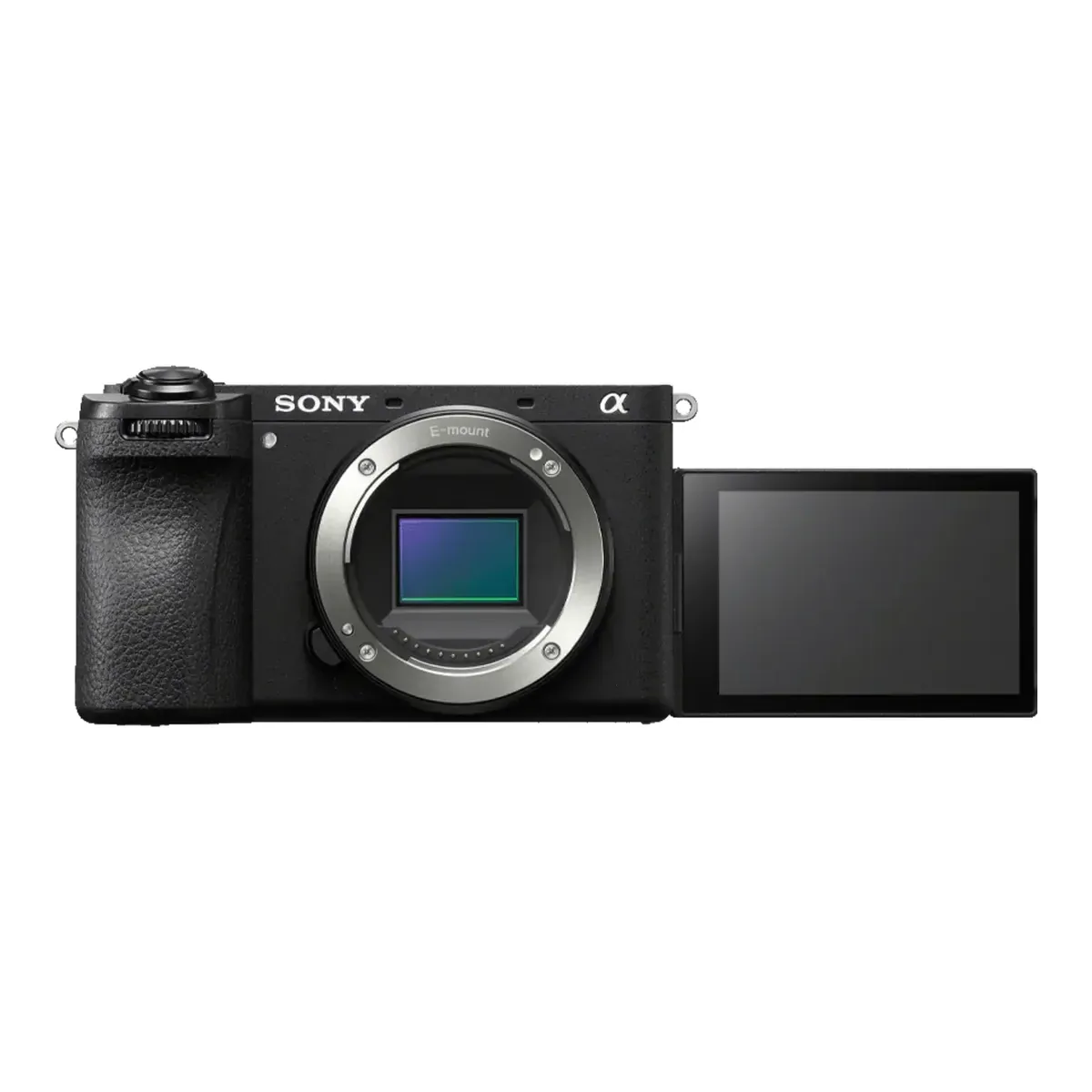
The screen swings out to the side, which faces it forward for filming yourself, and one owner would have preferred a flip-out screen to a fully articulated one. Two owners complain about the viewfinder, a 2.36 million dot OLED at 1.07x with a 120 fps mode, which one owner of a year calls "kind of a joke but very decent".
One hardware fault turns up. A single owner's battery latch broke, and Sony treated it as wear and tear.
Where it lands
The Sony a7 V is the body to buy when a full frame sensor comes first. The a6400 is the older way into the same mount, with a stabilized kit zoom in the box, for stills. Sony a6700 stabilization is what puts it between them, for one buyer above all: someone who wants handheld stills and short video clips, steadied in the body, on small lenses.
Five owners in our count describe about a year of use or more, and none of the five reports a fault. Plan around the heat table instead of discovering it, budget for a lens with the body, and if your work is a 45 minute set filmed from the hand, keep shopping.
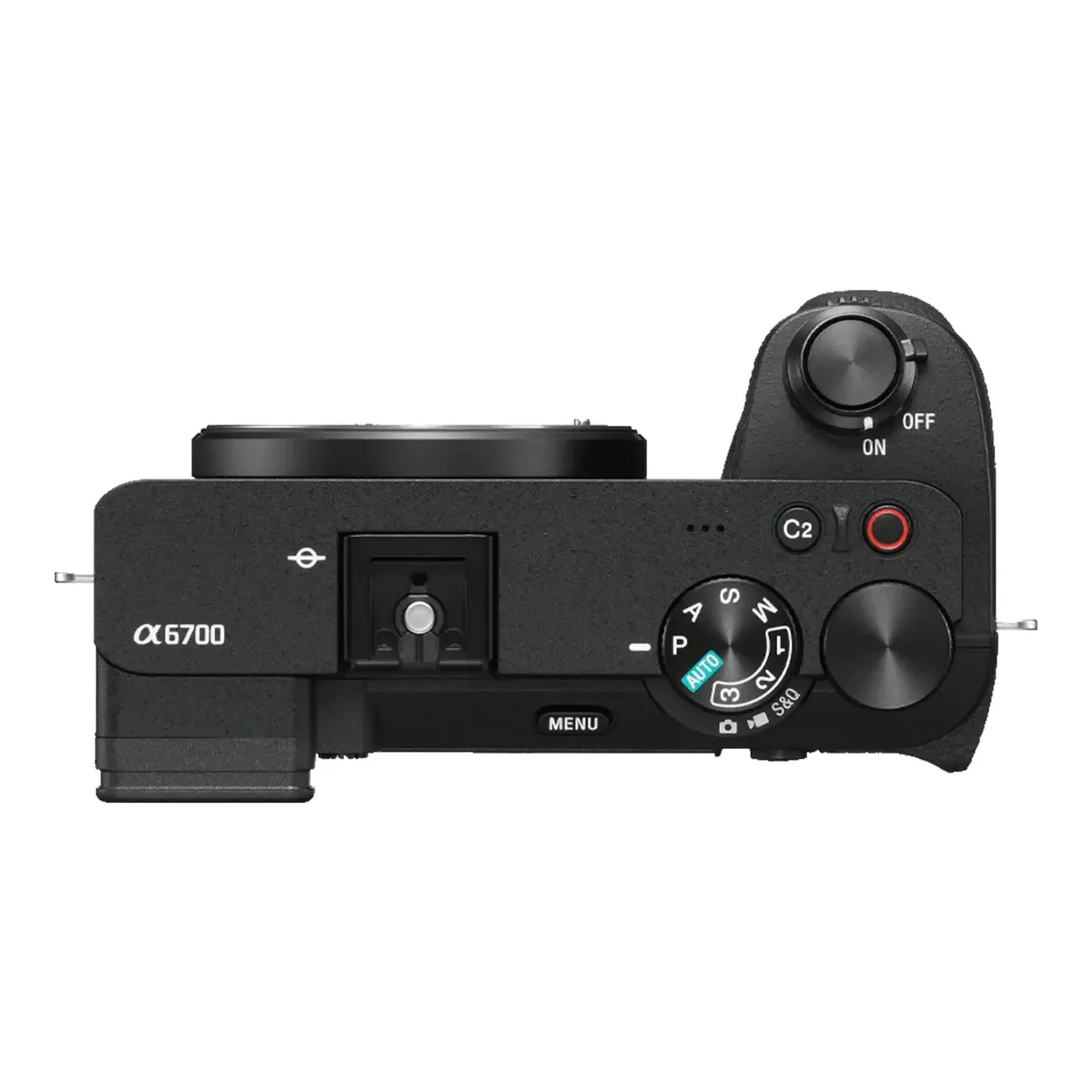
A closer look at the Sony Alpha 6700
Made up your mind?