SawStop CNS175 review: the brake on a contractor saw
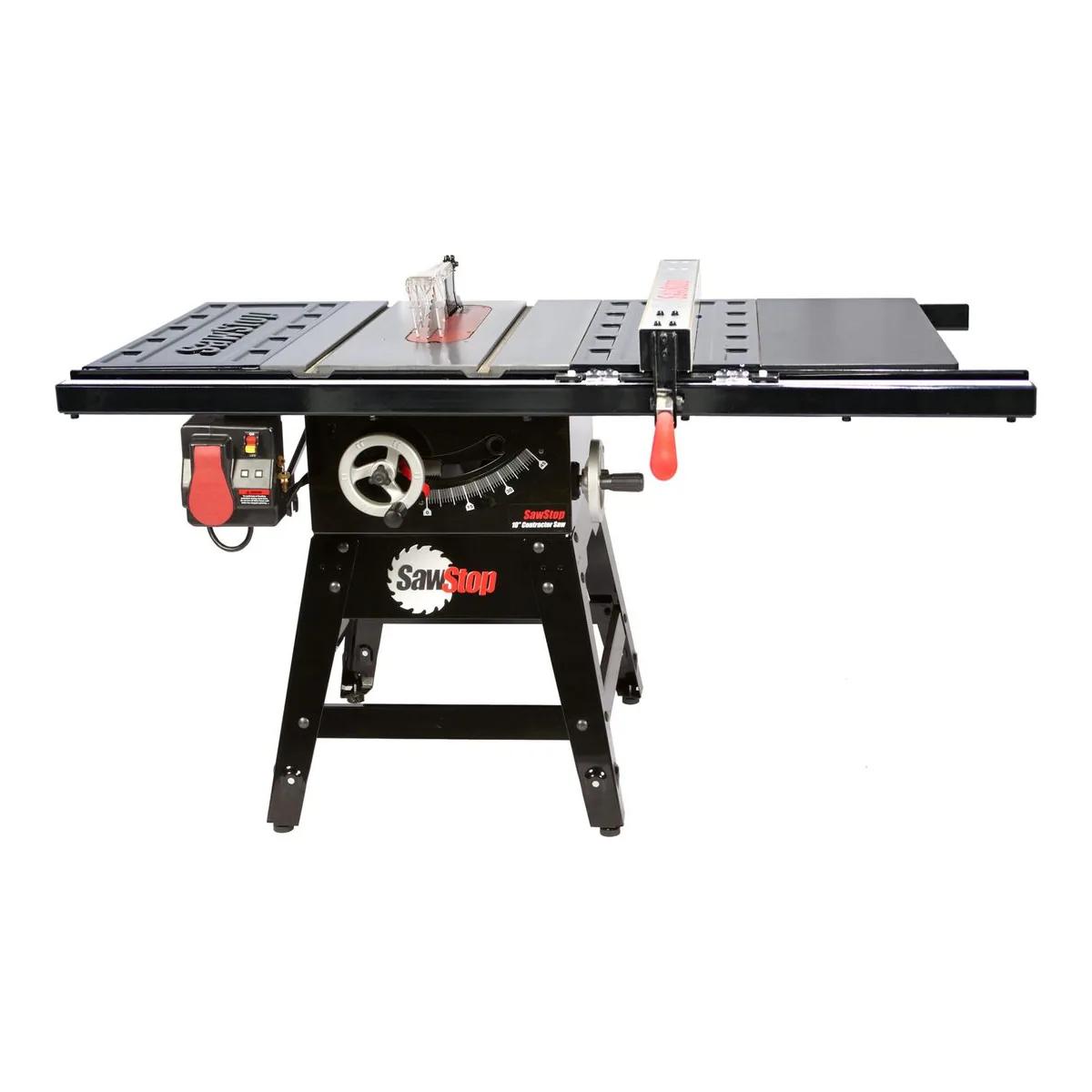
The SawStop CNS175 puts the same flesh-detecting brake as the cabinet saws on an open contractor stand that runs on a standard 120 volt outlet.
- 1.75 HP motor, wired for 120 volt and convertible to 220 volt
- Flesh-detecting safety system stops the blade on skin contact
- 10 inch blade on a 5/8 inch arbor, 40 tooth blade included
- 30 inch rip capacity with the Premium Fence
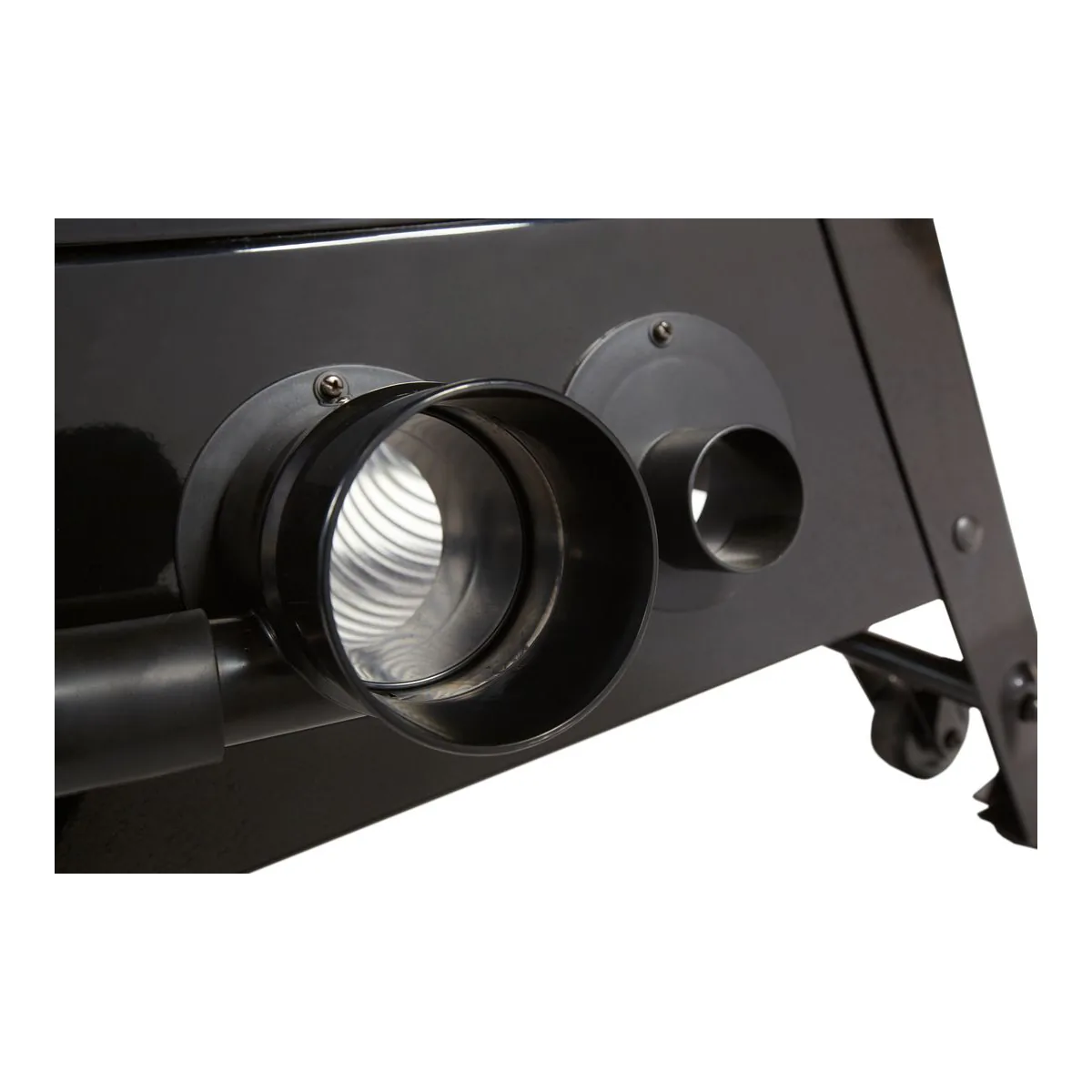
- 4 inch dust port and a cast iron table
We earn a commission on qualifying purchases through the links here, at no cost to you. It never decides what makes the list.
A cabinet saw is heavy, sealed and built to stay put. Plenty of first shops have neither the floor space nor the reason to commit to one yet. The SawStop CNS175 is a SawStop contractor saw built for that gap, and a reasonable table saw for beginners for the same reason: the same flesh detecting brake as SawStop's cabinet saws, at roughly half the weight, on an open stand wired for 120 volt by default.
Everything here comes from SawStop's owner's manual and the live Amazon listing, cross-checked against the SawStop PCS175 above it on the table saw shortlist. The evidence pulled for this exact model came back scoped to SawStop's contractor and cabinet saws broadly. Only one comment anywhere actually names the CNS175 by model number. So this review is documentation read carefully, with no field account behind it, on the same rung as the PCS175 review before it.
The SawStop 220 volt conversion, and why it needs a part first
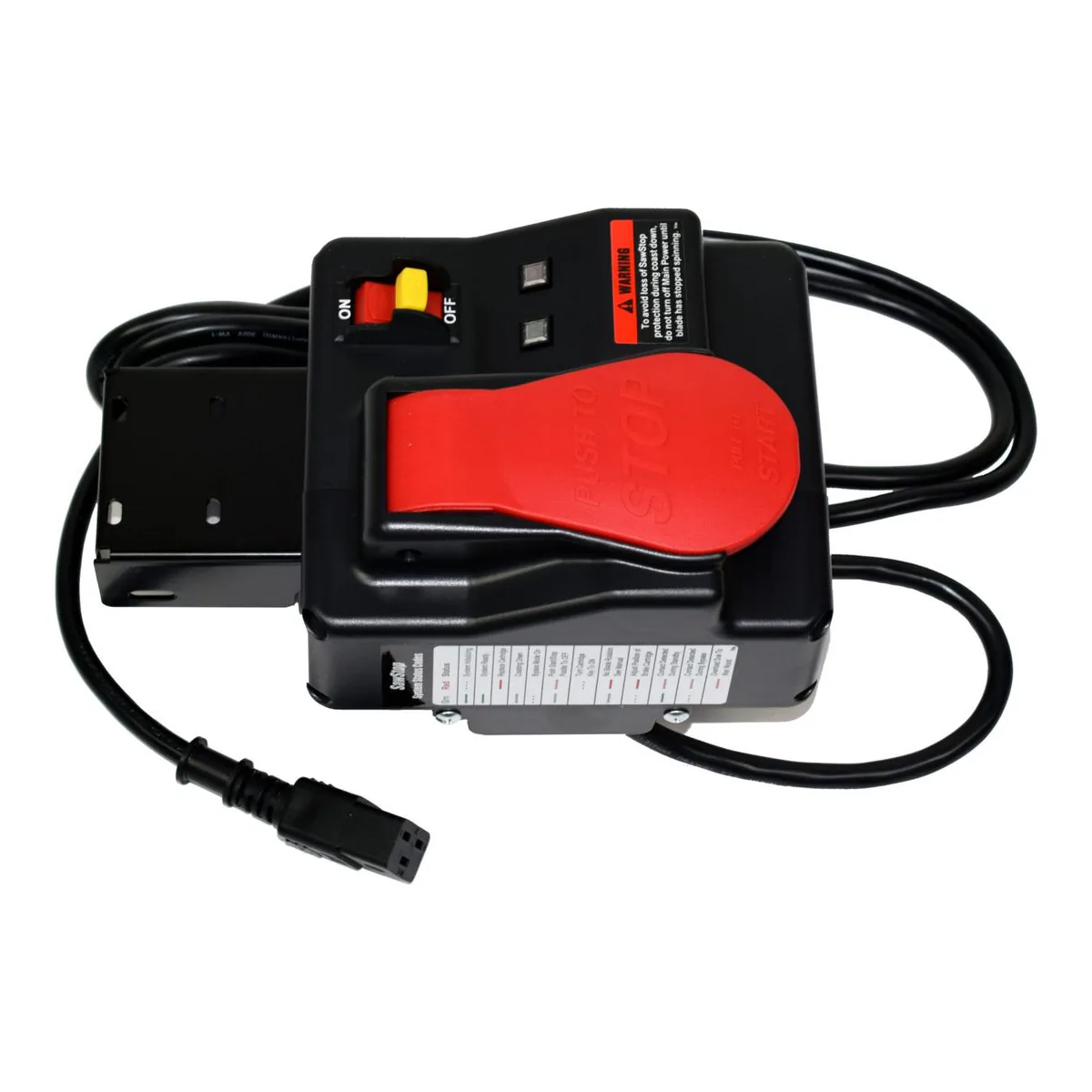
Wired at 120, ready for neither by itself: the CNS175's 1.75 HP motor is pre-wired at the factory for 110-120 volt power, drawing 14 amps, which is the number that matters if the plan is to run it straight off a wall outlet. Read the manual before assuming it converts on its own. Going to 220 volt is not a job finished with a screwdriver, because the stock contactor box is rated only for 110-120 volt, and converting to 208-240 volt power, where the same motor draws 7 amps, requires installing a separate SawStop 230V contactor box assembly first. Plan for that part if 220 volt is ever the target. The saw does not ship ready for both voltages at once.
The flesh-detecting brake, and the mode that turns it off
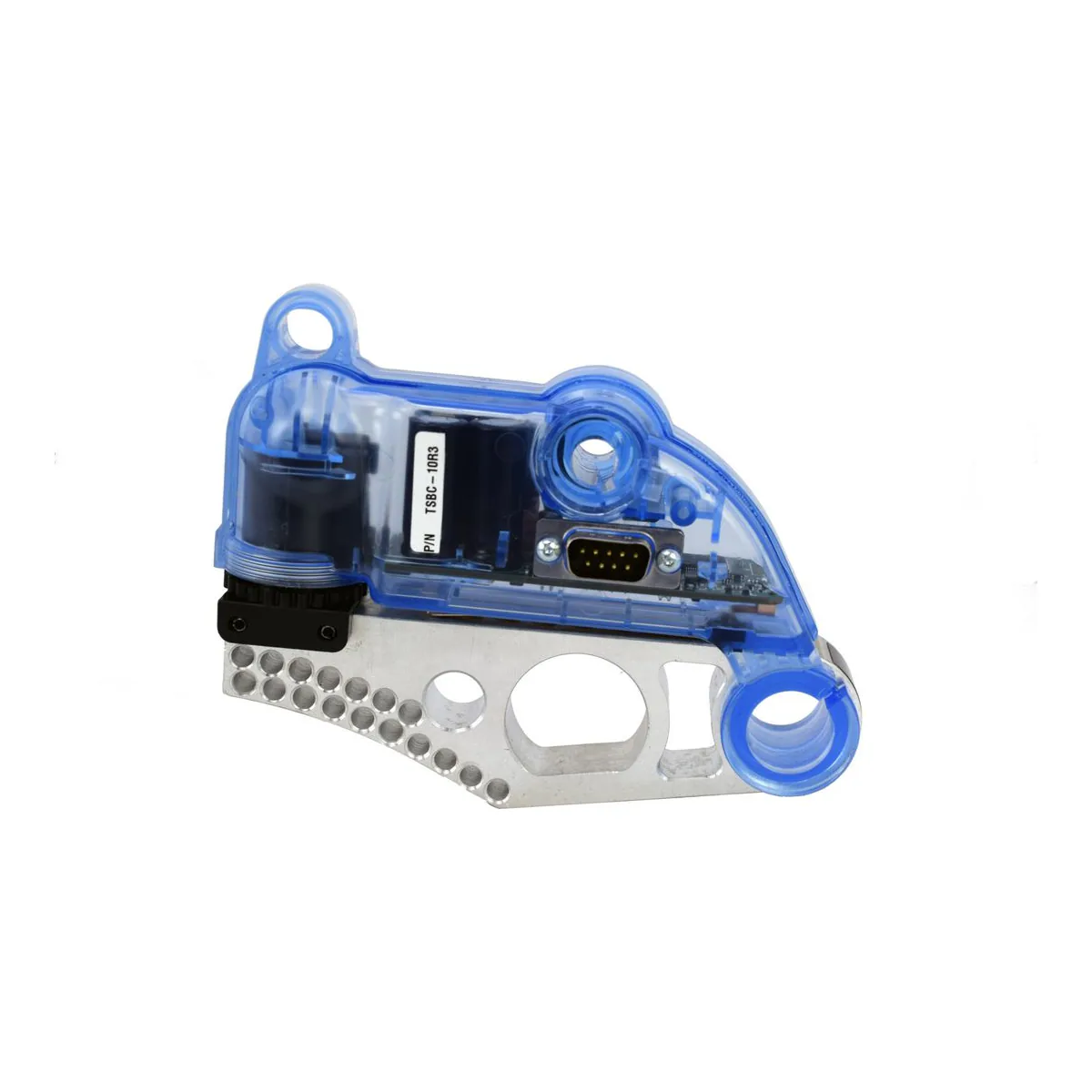
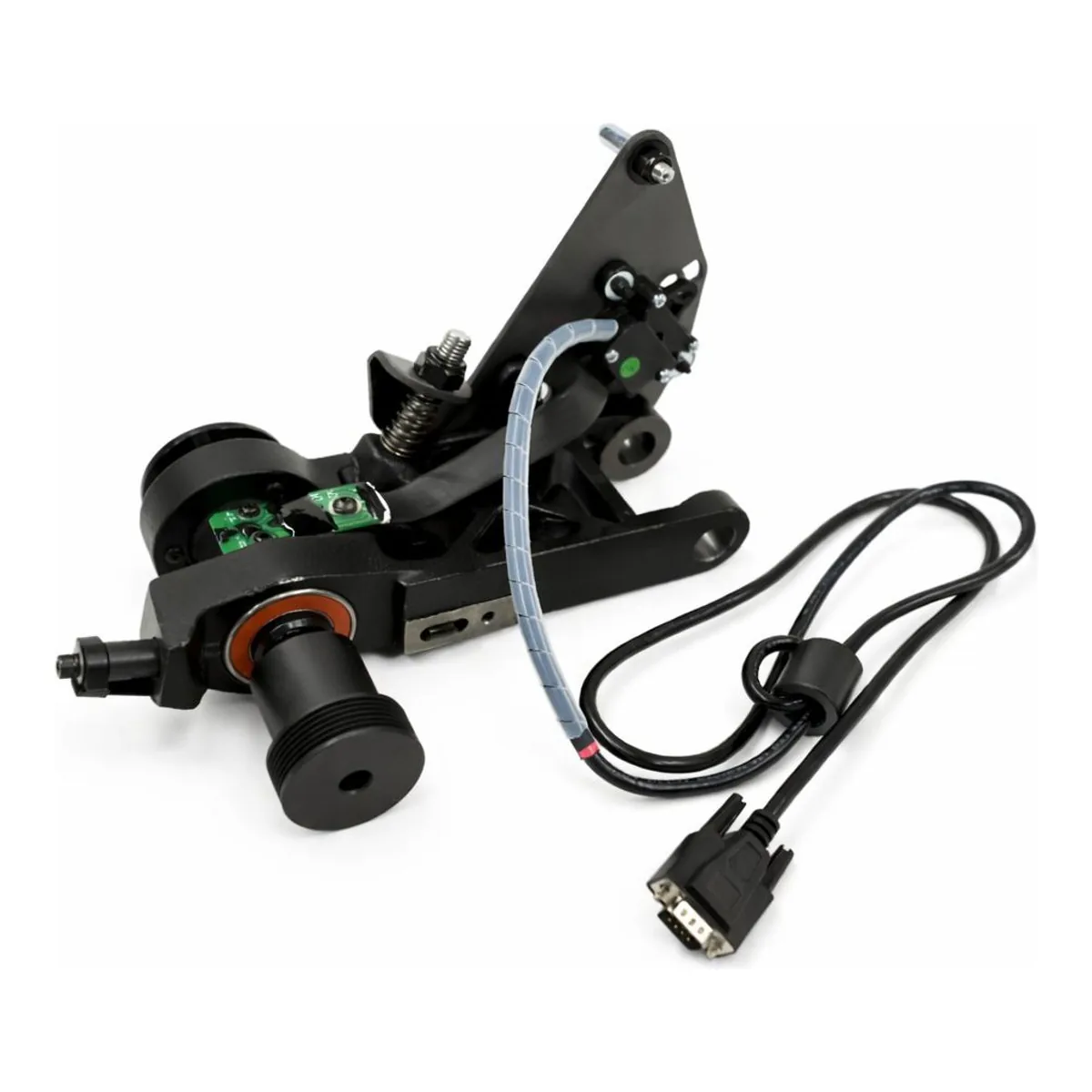
Contact the spinning blade and the brake fires in milliseconds, dropping it below the table, the same SawStop system across the whole lineup. It carries the same tradeoff too, because the brake activates on any electrically conductive contact and not only skin. Plain wet or green lumber does not fire it: the manual has the saw monitor for that case and shut the motor off with a recoverable overload code instead, cleared by cycling the power switch. Wet, chemically pressure-treated lumber is the real risk, because the copper used to treat it turns conductive once damp enough. Damp pressure-treated lumber may throw that same overload code or go further and fire the cartridge. The manual says to let it dry, unstacked, for about 24 hours before cutting. SawStop's manual describes a Bypass Mode for that cut, where the safety system is deliberately disabled. Running in Bypass Mode removes the entire reason to own the saw, so treat it as a setting for one known cut, never one to leave on.
Rip capacity, depth of cut and dust collection
Thirty inches of rip, ten inches of blade: the Premium Fence Assembly gives 30 inches of rip capacity on a 10 inch blade over a 5/8 inch arbor, with a 40 tooth blade included. Maximum depth of cut is 3-1/8 inches with the blade at 90 degrees and 2-1/4 inches at 45, both from the manual. A single 4 inch dust port and a cast iron table round out the shelf-standard specs, and sizing the collector by that port rather than a free-air CFM figure applies here as it does on every other saw in this cluster.
An open stand at 225 pounds, far under a cabinet saw's weight
Unboxed, the saw itself weighs about 225 pounds, with overall dimensions of 44 by 39-1/4 by 34-3/4 inches including the motor, before the open stand it sits on. That weight is the other half of "contractor saw" as a category. Lighter. Easier to move with help. Built around an open frame with no sealed cabinet base, which also gives up some of a cabinet saw's inherent rigidity, the accuracy and vibration tradeoff an open stand always makes against a heavier sealed one.
SawStop CNS175 or the cabinet saw above it
For the heavier, more rigid machine, and more rip to go with it, the PCS175 is the same brake on a sealed cabinet base. It ships pre-wired for 120 volt like this one, so voltage gives no reason to step up and cabinet weight is the real one. For the brake on the lighter saw that is easier to move later, buy the CNS175, and add the 230V contactor box to the order only once 220 volt power actually arrives, not before.
A closer look at the SawStop CNS175
Made up your mind?