Best table saw: five picks by rip, power and safety
The best table saw is set by rip capacity, the motor and whether you want the flesh-detecting brake. Five picks, from a jobsite saw to a 3 HP cabinet saw.
We earn a commission on qualifying purchases through the links here, at no cost to you. It never decides what makes the list.
The picks
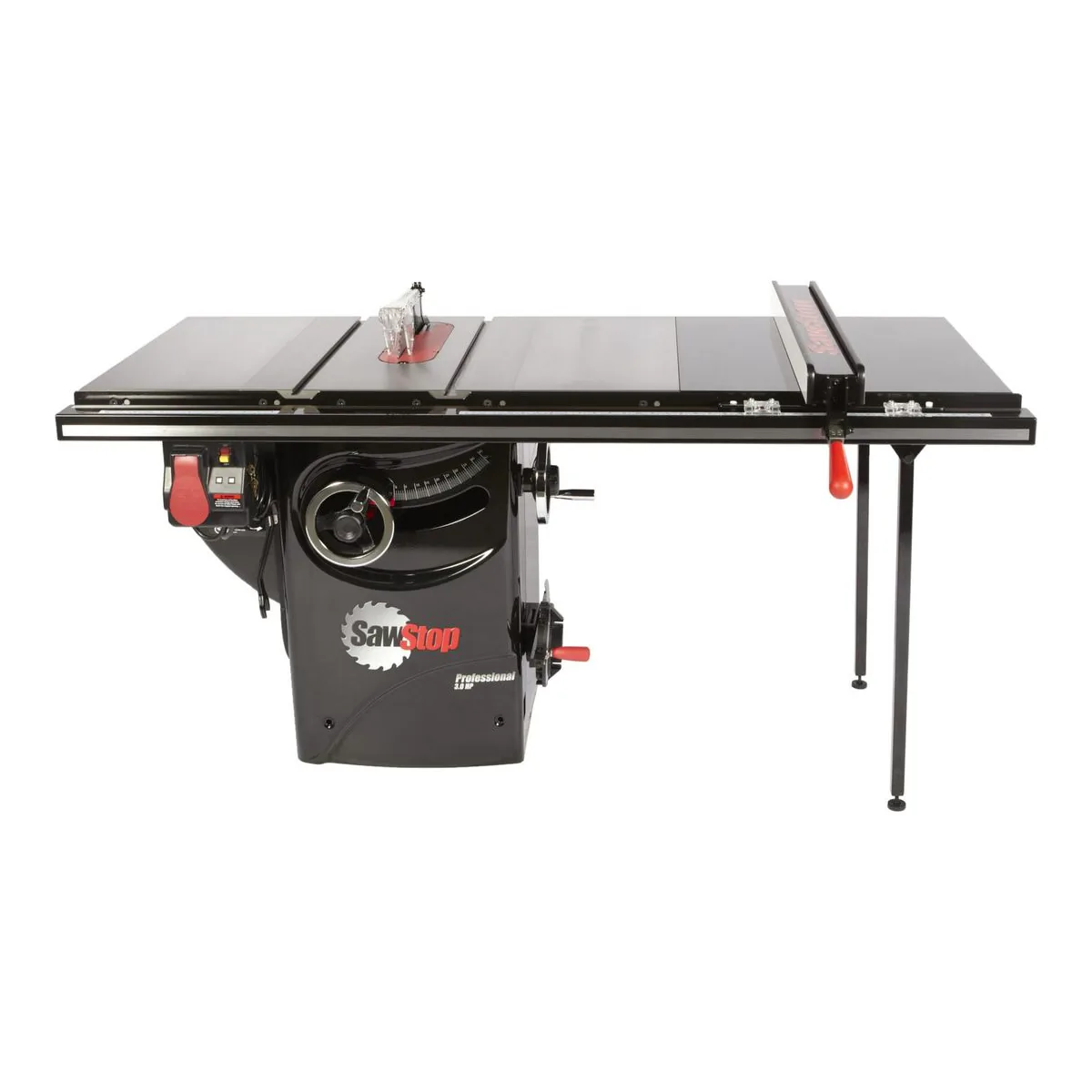
Best table saw overall
SawStop PCS175
A cabinet saw with the flesh-detecting brake, on 120 volt power that converts to 220 with a contactor box, for the shop that wants the flesh-detecting brake only SawStop brings to this shelf.
- 1.75 HP motor, wired for 120 volt and convertible to 220 volt
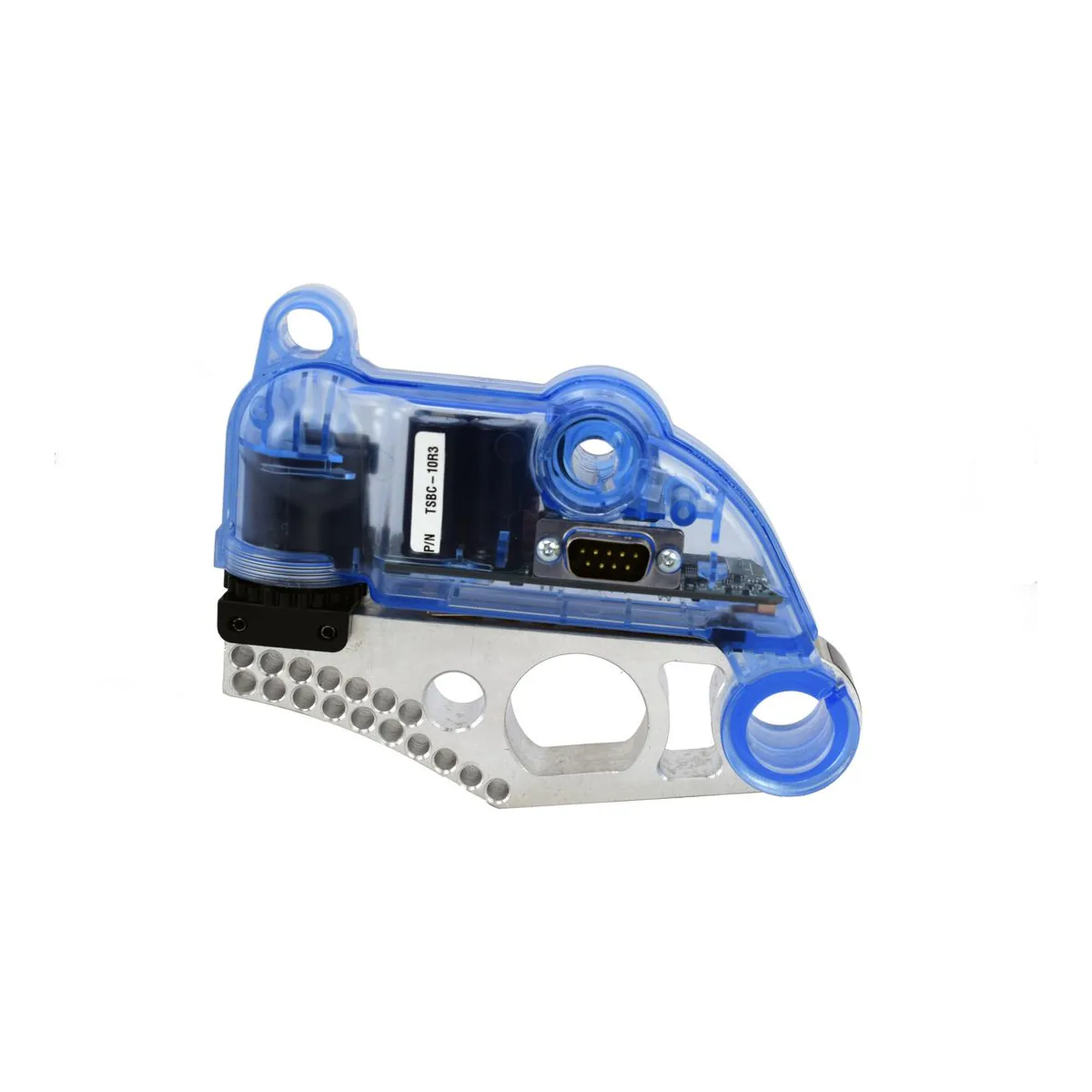
- Flesh-detecting safety system stops the blade on skin contact
- 10 inch blade on a 5/8 inch arbor, 40 tooth blade included
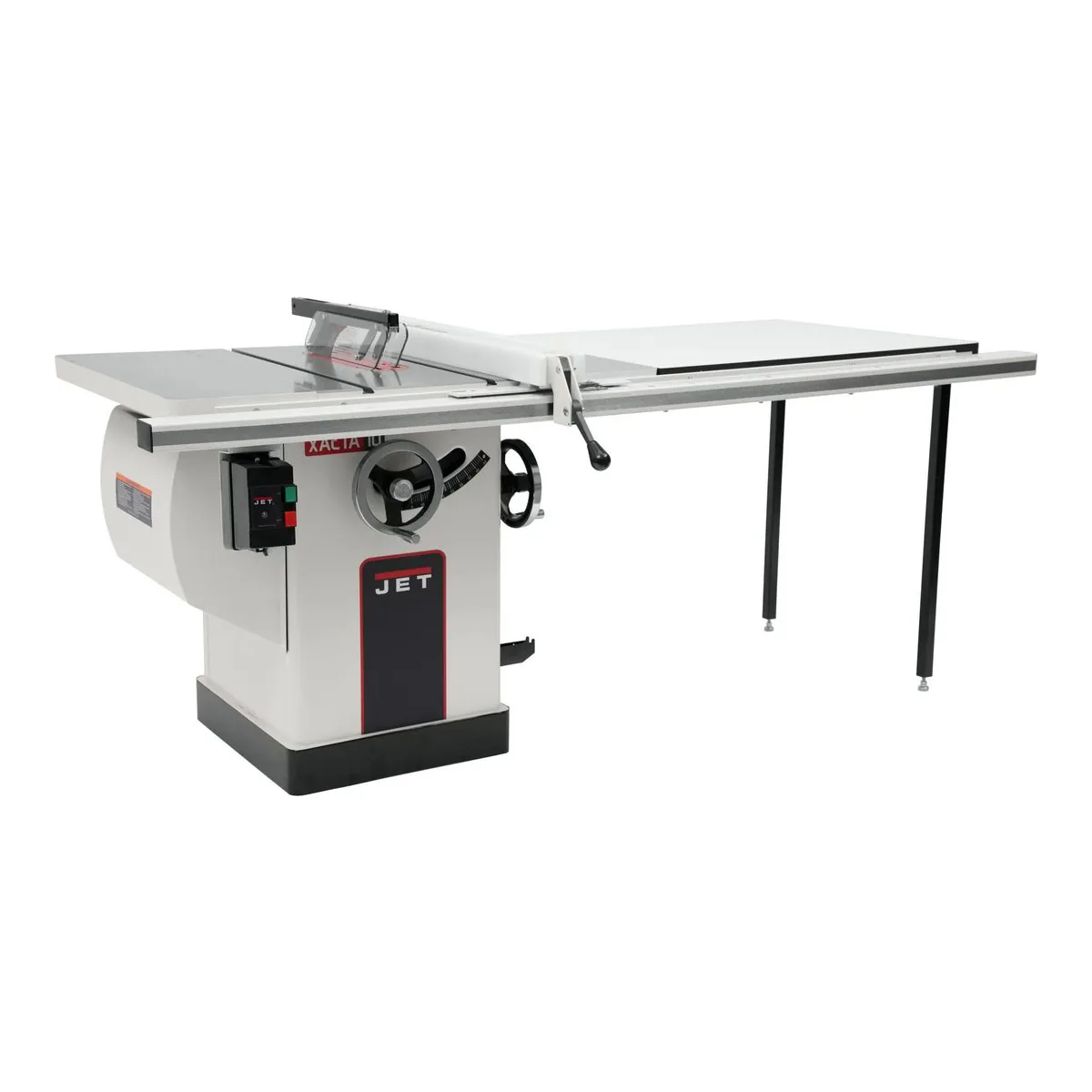
Best table saw for woodworking
JET Deluxe XACTA
A 3 HP cabinet saw with 50 inches of rip and a cast iron table, the workhorse for a dedicated woodshop on 230 volt service.
- 3 HP motor on 230 volt single phase power
- 50 inch rip capacity right of the blade
- 10 inch blade on a 5/8 inch arbor, and a cast iron table
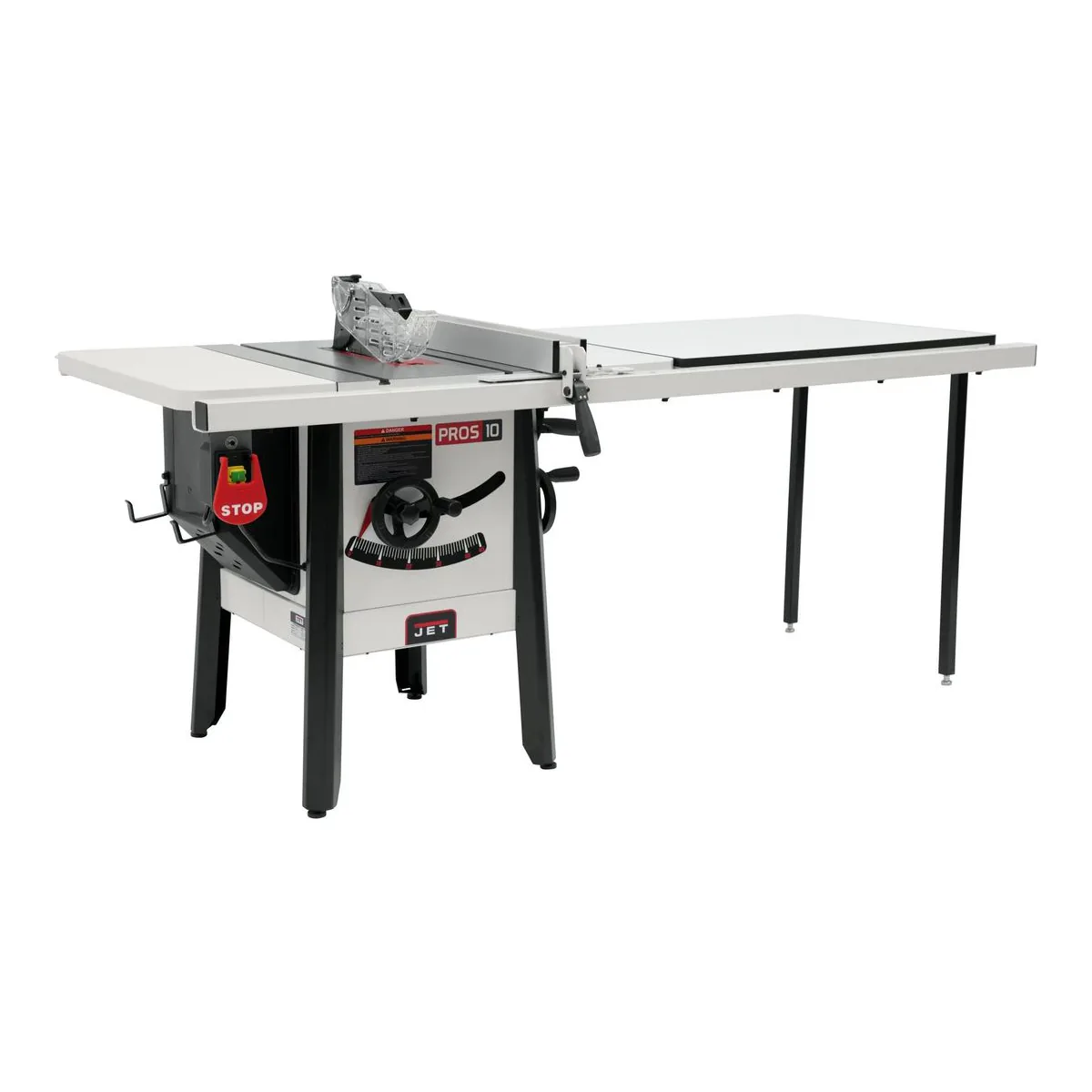
Best table saw for a DIY shop
JET ProShop II
Cabinet-saw features in a contractor-style saw that runs on a standard 115 volt outlet, the pick when you cannot wire 230 volt.
- 1.75 HP motor on 115 volt power
- 52 inch rip capacity with steel extension wings
- 10 inch blade on a 5/8 inch arbor
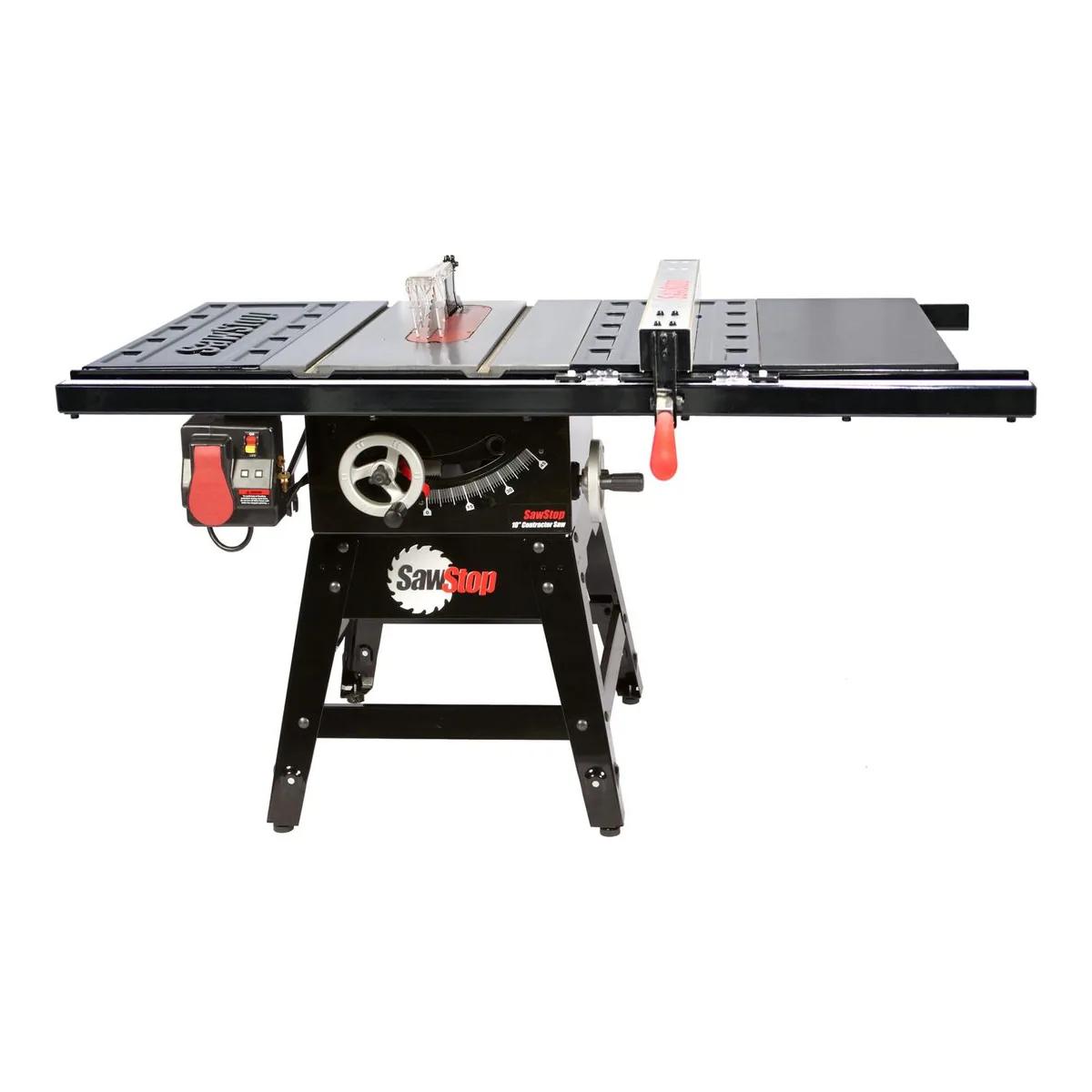
Best table saw for beginners
SawStop CNS175
The flesh-detecting brake on a contractor saw that sits on an open stand and runs on 120 volt, the more approachable of the two SawStops here.
- 1.75 HP motor, wired for 120 volt and convertible to 220 volt
- Flesh-detecting safety system stops the blade on skin contact
- 10 inch blade on a 5/8 inch arbor, 40 tooth blade included
Best budget table saw
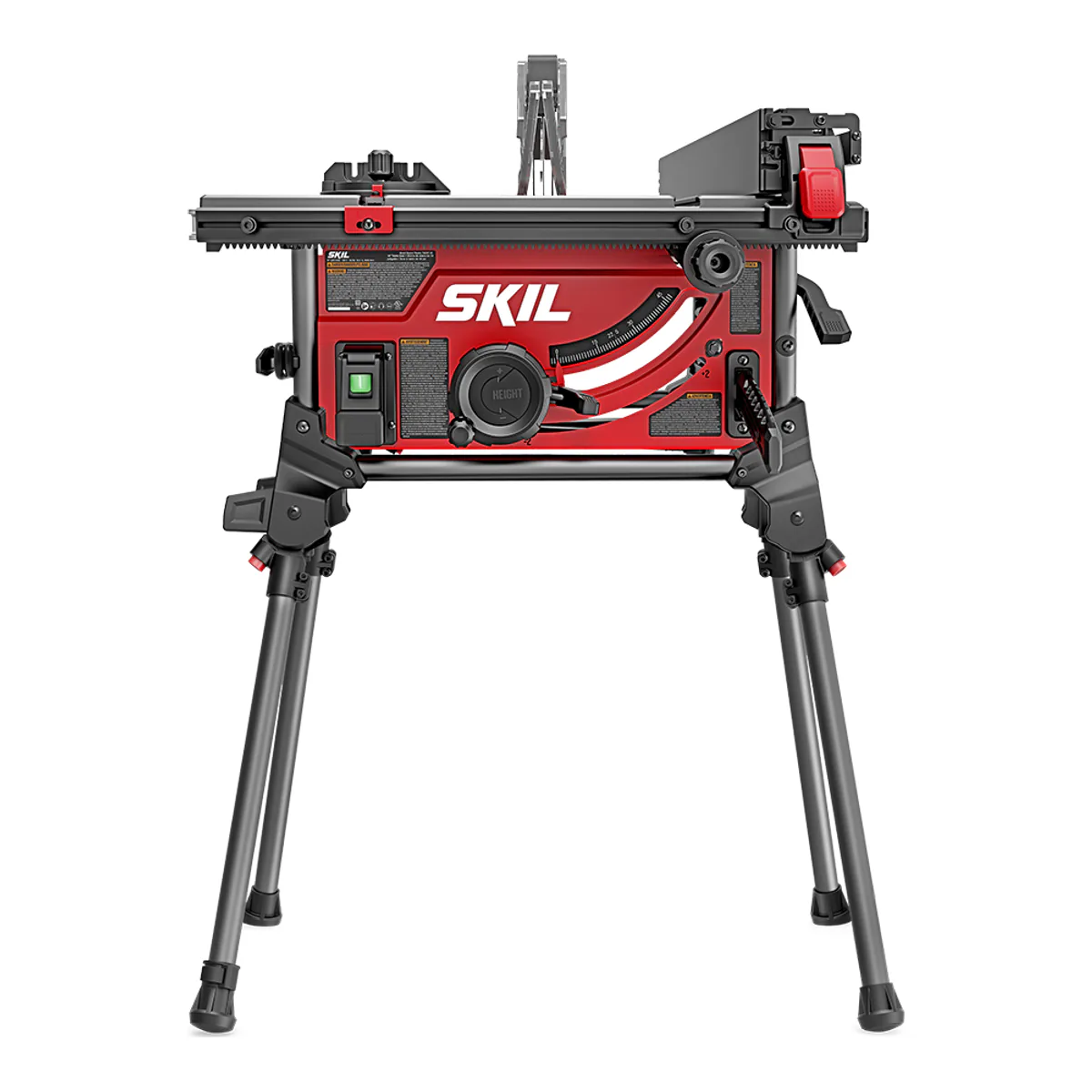
SKIL TS6307
An honest jobsite saw with a folding stand and rack and pinion fence, the value pick for framing and rough rip.
- 15 amp motor on a jobsite saw with a folding stand
- 25.5 inch rip capacity right of the blade
- 10 inch 24 tooth carbide blade on a 5/8 inch arbor
Choosing the best table saw starts with one question the spec sheets bury: whether it stops the blade the instant it touches skin. Only SawStop brings that to this shelf, which makes the first call a choice for or against one brand's brake, taken before rip capacity or horsepower enters the decision at all.
Then come the usual two. How wide a panel you can rip to the right of the blade, which runs from 25.5 inches on a jobsite saw to 52 at the wide end here, and the motor behind it, which decides whether the saw runs on a wall outlet or on 230 volt service. Answer the safety question, then those two, and the shelf sorts itself.
Five saws cover it, from a jobsite saw you carry to a 3 HP cabinet saw that does not move again once it lands.
How these picks were chosen
Every spec here is read off the manufacturer's own documentation, bar the two XACTA cells the basis line below accounts for. The order follows rip capacity, the motor and the safety system, and price plays no part. Two of the five carry the flesh-detecting brake, and the comment threads behind them cover SawStop table saws and the shelf broadly. It does not single out either of these two models, so neither one is ranked on owner volume. The two JETs add a named independent bench test each, and the SKIL is ranked on documentation and the live listing.
The whole shelf on one axis
| Spec | SawStop PCS175 | JET Deluxe XACTA | JET ProShop II | SawStop CNS175 | SKIL TS6307 |
|---|---|---|---|---|---|
| Rip capacity right of blade | 36 in | 50 in | 52 in | 30 in | 25.5 in |
| Motor (hp, volts, amps) | 1.75 HP, 120/220V | 3 HP, 230V | 1.75 HP, 115V | 1.75 HP, 120/220V | 15 amp |
| Blade diameter and arbor | 10 in, 5/8 arbor | 10 in, 5/8 arbor | 10 in, 5/8 arbor | 10 in, 5/8 arbor | 10 in, 5/8 arbor |
| Dust port diameter | 4 in | 4 in | 4 in | 4 in | Not stated |
| Riving knife, guard and brake | Flesh-detecting brake, riving knife, guard and pawls | Riving knife, guard and anti-kickback pawls | Riving knife, guard and anti-kickback pawls | Flesh-detecting brake, riving knife, guard and pawls | Riving knife, guard and anti-kickback pawls |
Basis: manufacturer documentation, with the XACTA as the exception twice over. Its 50 inches of rip comes from the model name and the XACTA-FENCE II in the crate. JET's spec table states only the 12 inches left of the blade. The XACTA's guard, riving knife and pawls all come from NewWoodworker's bench test, dated 2011, because JET's own page names none of the three. Rip is the fence each saw ships with, and every SawStop and JET here is offered with other fences, so the figure is the shipped width and nothing more. One row matters more than the rest. Two of these five stop the blade on skin contact and three do not. That split is the first decision on this shelf and not the last.
Best table saw overall: SawStop PCS175
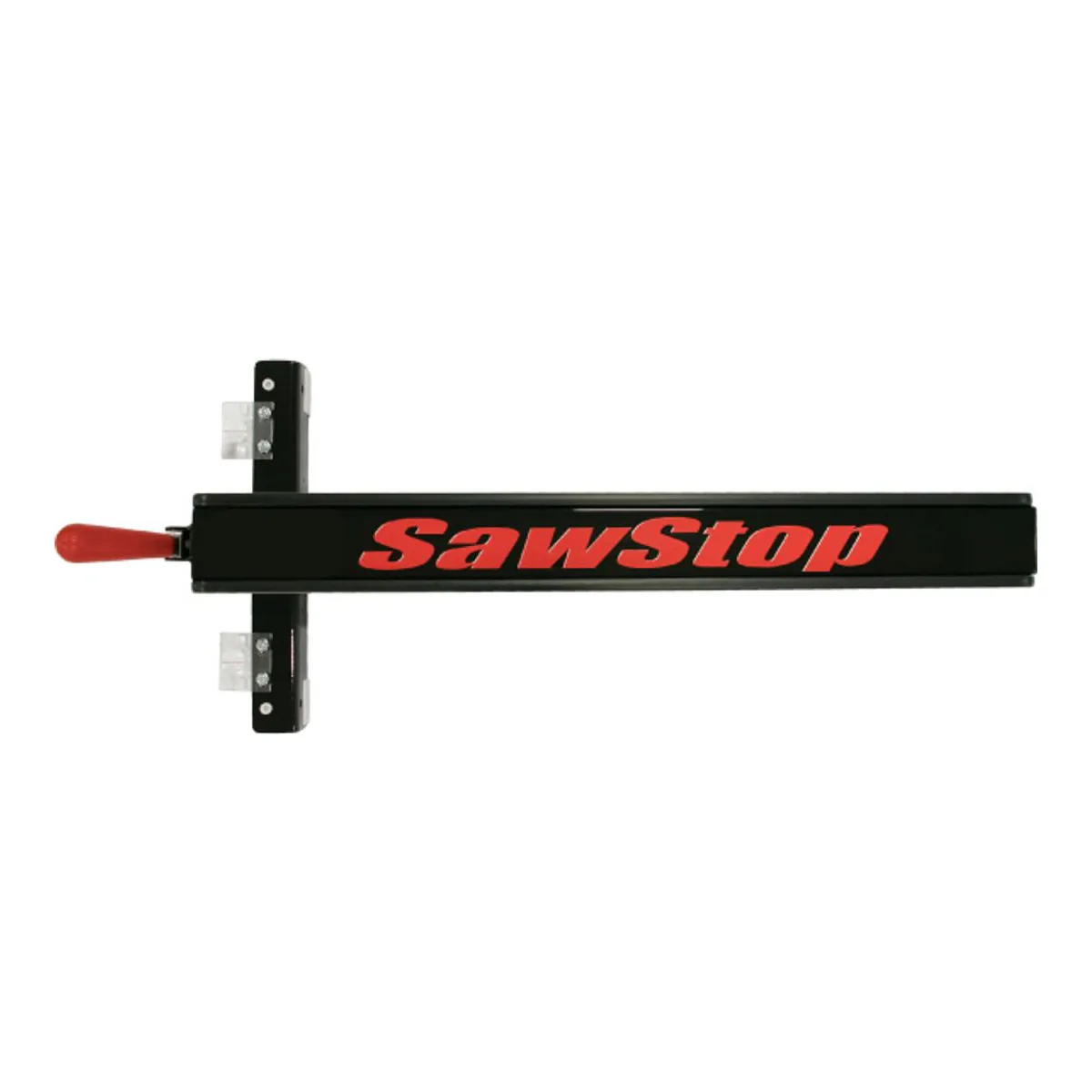
Buy this if you can put it on a circuit behind a 20 amp breaker and want the one feature that actually blunts the injury a table saw is known for. The flesh-detecting brake stops the blade the moment it contacts skin, and at speed pulls it below the table as well, and the PCS175 pairs it with a cabinet saw's cast iron table and a T-Glide fence. It ships wired for 120 volt and converts to 220 for a friendlier circuit, not more power: the motor stays 1.75 HP either way. What does change is the draw, 14 amps at 120 volt against 7 at 220, and the conversion is a contactor box you buy. There is no switch to flip. Check the breaker before the saw lands.
Skip it if raw cutting power is what you are after. The XACTA below puts 3 HP behind the blade where this one puts 1.75, and the brake alone is why you would choose this saw over it.
Best table saw for woodworking: JET Deluxe XACTA
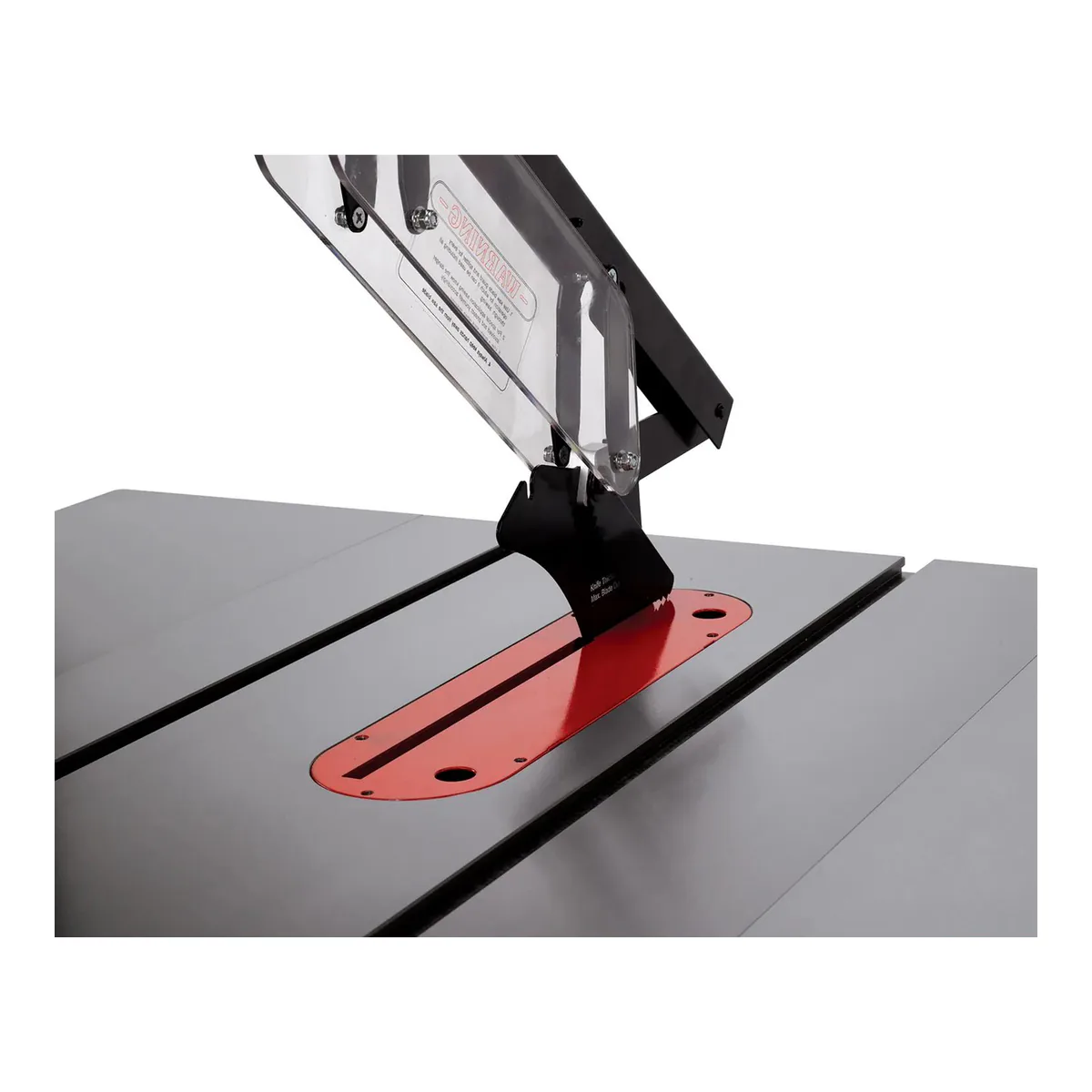
A 3 HP cabinet table saw built for a dedicated woodshop, with 50 inches of rip right of the blade and a cast iron table that stays flat under a heavy sheet.
The 3 HP motor justifies stepping past a contractor saw, and it needs 230 volt service to deliver that, with no 120 volt mode at all: what that requirement costs a shop is most of the argument against it.
Skip it if you want the safety brake, because JET's documentation offers none for this saw.
Best table saw for a DIY shop: JET ProShop II
The pick for a serious home shop that cannot wire 230 volt. It puts cabinet-saw manners into a contractor table saw that runs on a standard 115 volt outlet: 52 inches of rip, a blade housing that sends the fine dust to a 4 inch port, and a riving knife that comes off without tools. Roland Johnson's Fine Woodworking bench test found the heavy chips still land on the floor. That test ran on the cast iron wing version of this saw. The one here has 52 inch steel wings. Treat this as dust collection for your lungs, and keep the broom.
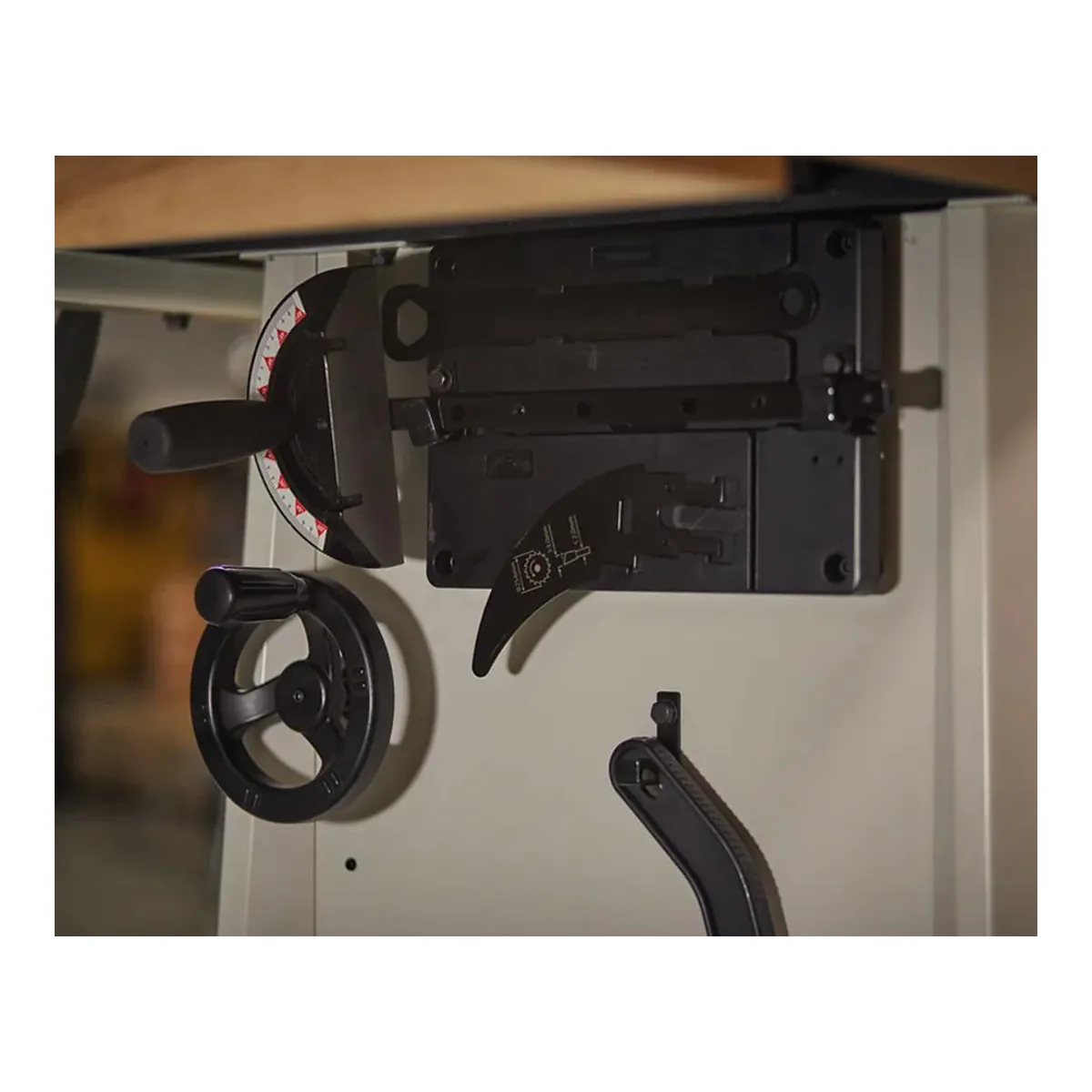
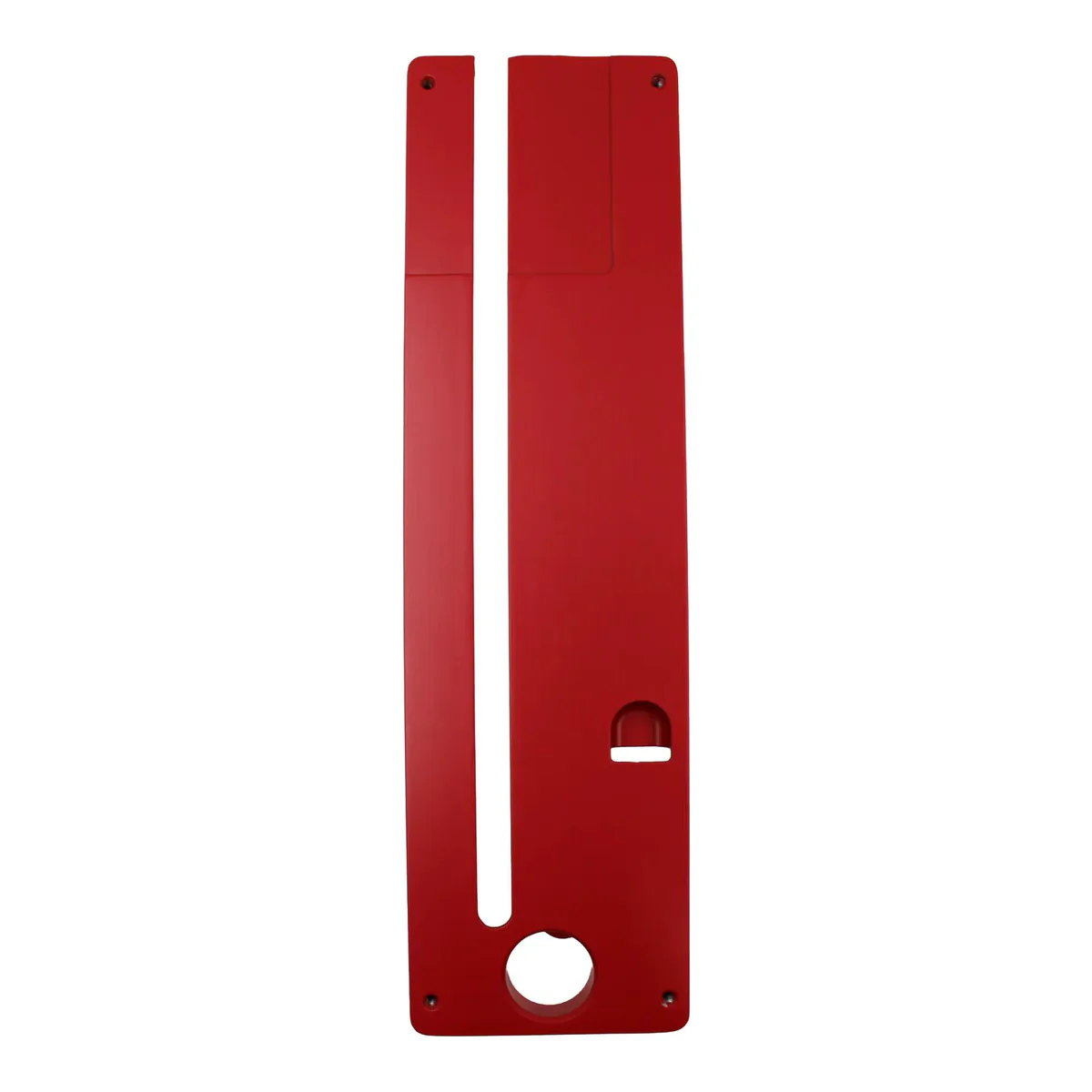
Skip it if you expect to want the SawStop brake later, because moving up means selling this and starting over. The brake does not come as an add-on part.
Best table saw for beginners: SawStop CNS175
That brake matters most for someone still learning where their hands go, and of the two saws here that carry it this is the easier one to live with. It is a contractor saw, so it sits on an open stand and runs on 120 volt, with the same flesh-detecting system as the SawStop PCS175 above and 30 inches of rip, enough for most furniture work.
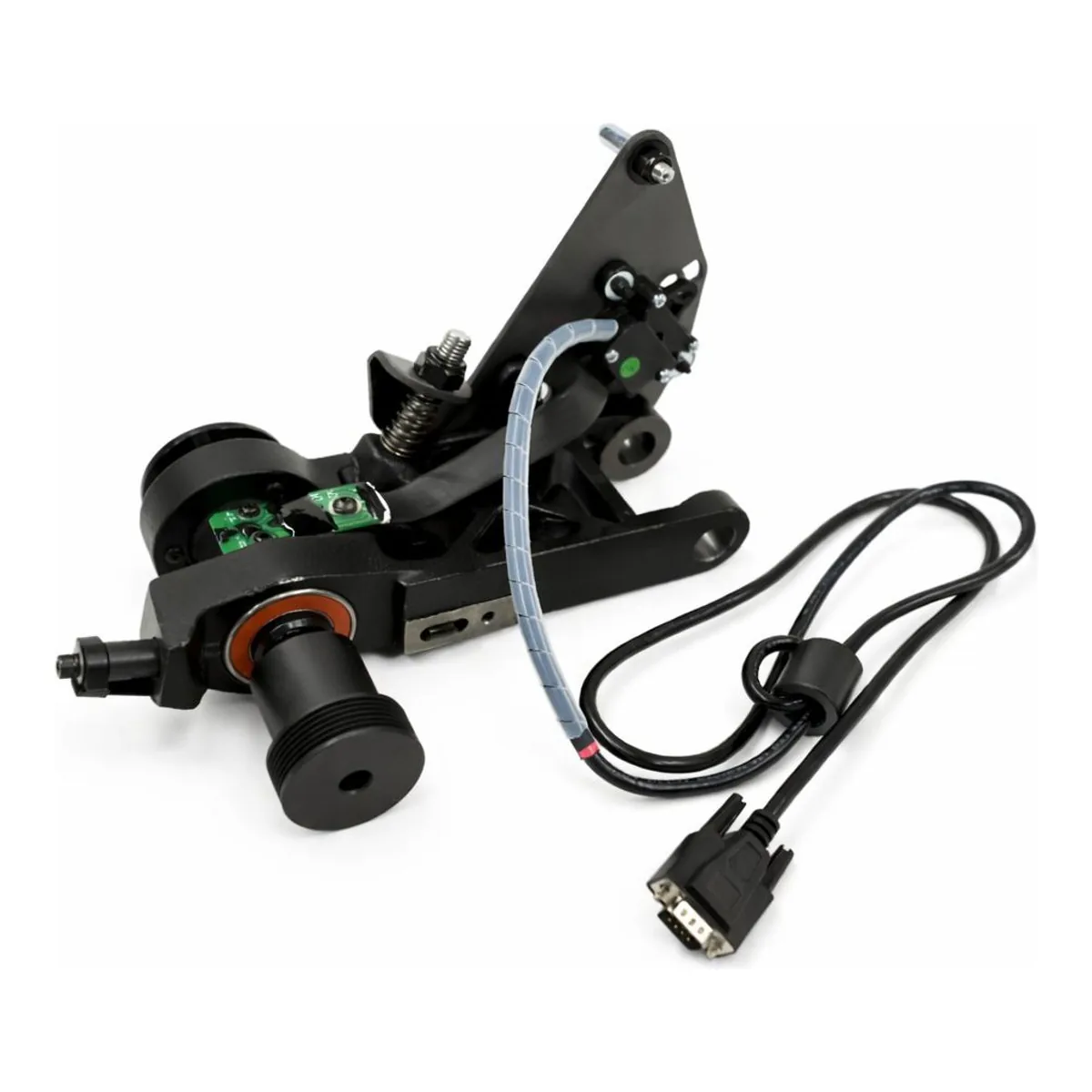
Skip it if you want the XACTA's 3 HP or the PCS175's cabinet-saw rigidity, because an open contractor stand at 1.75 HP is lighter and less planted than either.
Best budget table saw: SKIL TS6307
A true value pick: a jobsite saw, with no pretense of being a cheap cabinet saw. You get a 15 amp motor, 25.5 inches of rip on rack and pinion rails, and integrated legs that fold into a stand you can carry to a site. It has a riving knife and anti-kickback pawls but no flesh-detecting brake at this price. Skip it if you are doing fine furniture work, because a portable saw and a 24 tooth blade are built for framing and rough rip, not glass-smooth joinery.
What the best table saw comes down to
Two questions, in order, and the spec-sheet race is not either of them.
First, the brake. In most cases a flesh-detecting saw turns a blade contact into no injury or a small nick, and SawStop states that a serious one is still possible depending on the speed of your hand and the blade fitted. The two SawStops here are the only picks that attempt it at all, so on that axis you are choosing for or against a single brand. Then rip and circuit, together. Match the rip to the widest panel you break down, then the motor to the power at the wall, because a 3 HP saw in a shop with no 230 volt line is a saw you cannot turn on. Whatever you land on, size the dust collector beside it by the saw's port. The motor is the wrong guide. On the four stationary picks here that port is four inches, and on the SKIL it is an elbow whose diameter its product page never gives. If you are still working out what a 4 inch port actually needs, that is a shorter question than it looks.
The brake is why you buy SawStop, and also its one real cost past the sticker. It fires on contact with conductive material, and SawStop's own list is metals, carbon fiber, mirrored acrylic and carbon-filled stock, with wet pressure-treated lumber named as able to set it off as well. Wet or green wood is the case everybody expects to fire it, and mostly it does not. SawStop says most wet or green stock cuts with the system active, and stock too wet for it to read trips a separate motor overload you clear with a power cycle. The warning attached is that feeding the same board through again afterward is how the brake fires anyway. A fired brake means a new cartridge and usually a new blade, and the manual's answer for a cut you know is conductive is bypass mode, switched on deliberately before the cut. If that trade is not worth it, the JET XACTA is the better pure cabinet saw and the SKIL is the better first saw. If you are kitting out a woodshop from scratch, the bandsaw that sits beside it is the next decision.
Questions people actually ask
- Is a SawStop table saw worth the extra cost?
- For most buyers, yes. The flesh-detecting brake stops the blade on skin contact, and retracts it below the table if it was spinning at speed, and SawStop's own wording for what that buys you is that in most cases there is no injury or only a small nick, with a serious injury still possible depending on how fast your hand was moving and which blade was fitted. SawStop's own framing is that the brake does not prevent contact, it minimizes the effect of it. The cost beyond the sticker is that the brake typically fires on conductive material, so wet pressure-treated lumber or a scrap of metal can trip it, and a tripped brake means a new cartridge and usually a new blade. Wet or green wood is the case everybody expects to set it off, and SawStop's own answer is that most wet or green stock cuts with the safety system active and nothing happens at all. Wood too wet or too green for the system to read trips a separate motor overload rather than the brake, cleared with a power cycle, and the warning attached to that is that feeding the same board through again is how an unnecessary activation happens. There is a documented bypass mode for a cut you know is conductive, switched on deliberately before the cut rather than discovered afterward.
- What is the difference between a cabinet table saw and a contractor table saw?
- A cabinet table saw encloses the motor and trunnions in a sealed base, which makes it heavier, quieter, better at collecting dust and more accurate to keep aligned. A contractor table saw hangs the motor off the back or inside an open frame, so it is lighter, rolls more easily and usually runs on a standard 120 volt outlet. The cabinet saw is the shop machine, the contractor saw is the movable one, and a hybrid sits between them.
- Can a table saw run on a regular household outlet?
- Some can, and whether the plug fits is not the whole question. The JET ProShop II and both SawStop saws here run on a standard household outlet, which JET's page calls 115 volt and its own manual 120, and SawStop's manuals call 110 to 120. JET's web spec sheet recommends a 20 amp circuit for the ProShop II and its manual recommends a dedicated 15 amp one, so build to the larger figure. Both SawStops draw 14 amps at 120 volt and the PCS175 manual asks for a circuit protected by a 20 amp breaker, so an ordinary 15 amp household circuit is not enough even though the cord goes into it. Converting the pair to 220 volt halves that draw to 7 rather than adding power, since the motor stays 1.75 HP on both voltages, and the conversion needs a contactor box bought separately. SKIL's product page gives a 15 amp tool rating and names no circuit at all. The 3 HP JET XACTA needs 230 volt service, on JET's recommended 20 amp circuit, and will not run on a wall outlet, so confirm the power where the saw will stand before you buy up.