SawStop PCS175 vs JET XACTA: brake or 3 HP
Buy the SawStop PCS175 if you are buying a cabinet saw for the flesh-detecting brake, or if the shop has no 230 volt circuit yet, since it ships wired for 120 volt. Buy the JET Deluxe XACTA if 230 volt power is already in place, you rip wide sheet goods, and you want 3 HP behind the blade more than you want the brake.
What decides it: The brake against horsepower and rip width.
We earn a commission on qualifying purchases through the links here, at no cost to you. It never decides what makes the list.
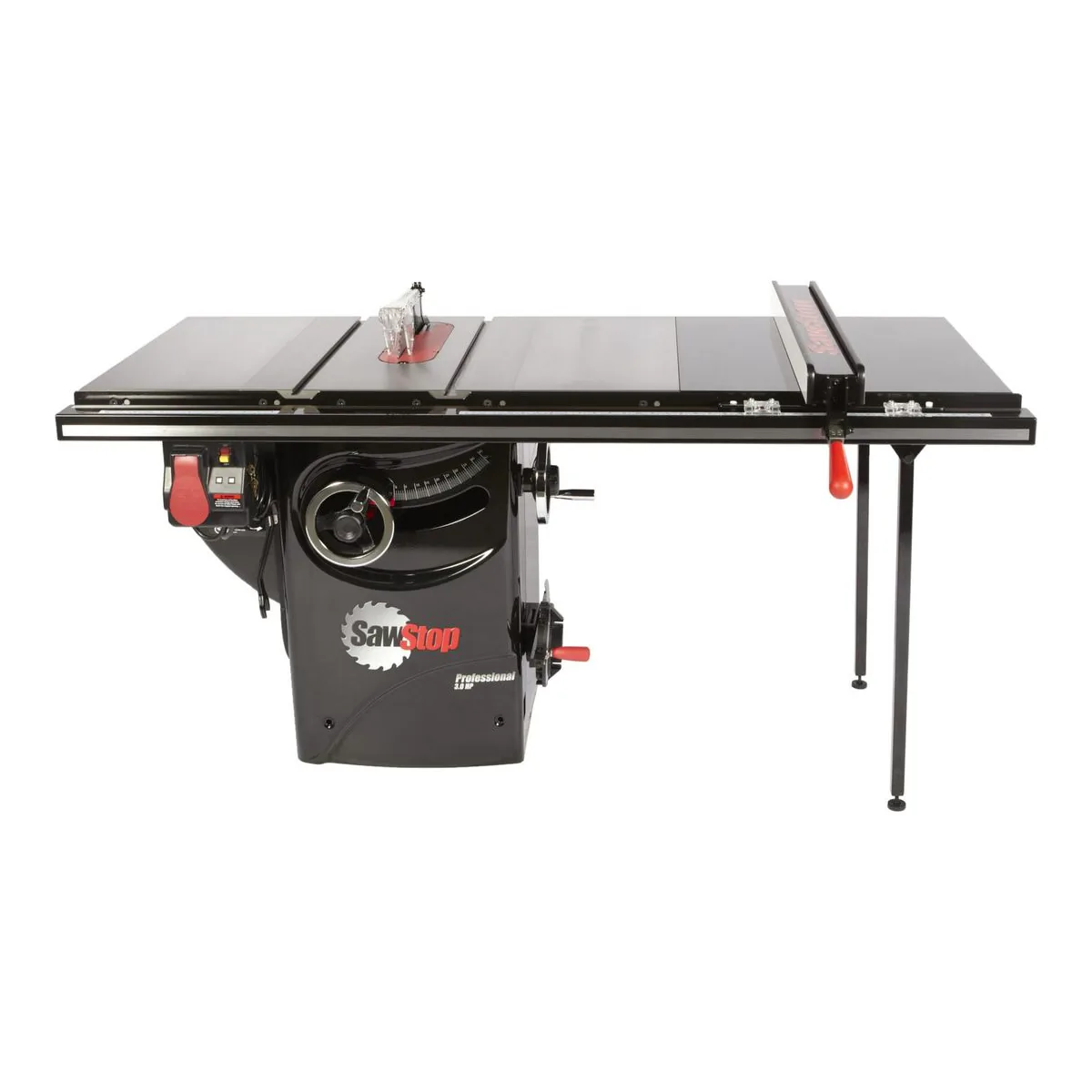
SawStop PCS175
Pick this if a shop that wants the blade to stop on skin contact, will keep a spare brake cartridge on the shelf, and plugs in on 120 volt today with the option to convert later.
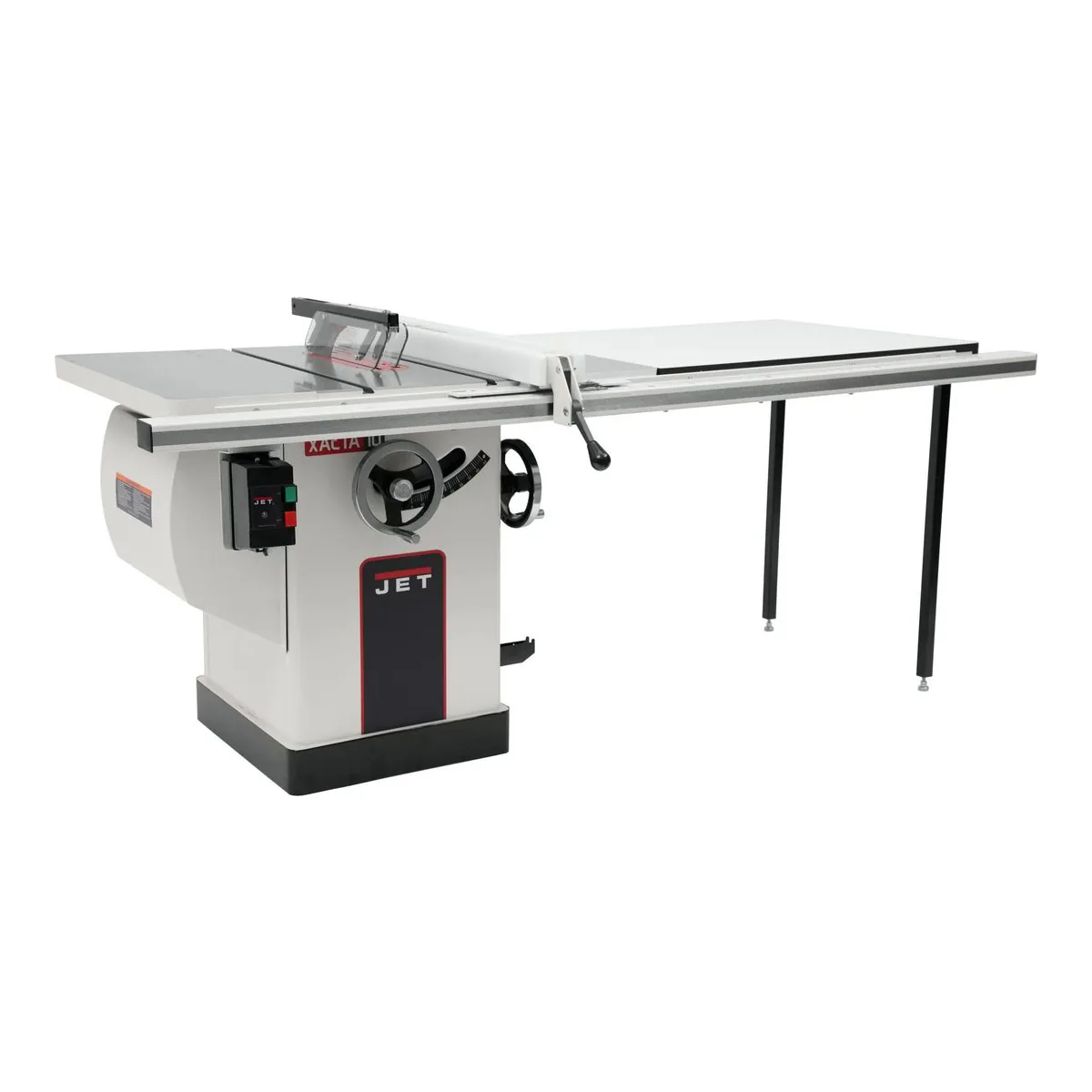
JET Deluxe XACTA
Pick this if a shop with a 230 volt, 20 amp circuit already run, full sheets to rip, and a riving knife and guard habit it trusts in place of a brake.
| SawStop PCS175 | JET Deluxe XACTA | |
|---|---|---|
| Rip capacity right of blade | 36 in | 50 in |
| Motor (hp, volts, amps) | 1.75 HP, 120/220V | 3 HP, 230V |
| Depth of cut at 90 and 45 degrees | 3-1/8 in at 90 | 3 in |
| Blade diameter and arbor | 10 in, 5/8 arbor | 10 in, 5/8 arbor |
| Fence type and travel | T-Glide, 36 in | XACTA, 50 in |
| Dust port diameter | 4 in | 4 in |
| Riving knife, guard and brake | Flesh-detecting brake, riving knife, guard and pawls | Riving knife, guard and anti-kickback pawls |
Strip out the brake and these two cabinet saws are closer than their spec sheets look. Each spins a 10 inch blade on a 5/8 inch arbor, rips 12 inches left of the blade, and collects through a single 4 inch port that its maker wants fed 350 CFM. Both want a 20 amp circuit. So the SawStop PCS175 vs JET XACTA choice comes down to three things the other saw does not have: a flesh-detecting brake on one side, and 3 HP plus a 50 inch fence on the other.
Both sit on our table saw shortlist, the SawStop as the overall pick and the JET as the woodworking pick. Most of what separates them is a trade you can name before you read another number.
SawStop PCS175 vs JET XACTA: what the brake costs and buys
The PCS175 runs a small signal on the spinning blade, and when skin touches it the safety system stops the blade within milliseconds. You buy the saw for that. SawStop's manual is also plain about the bill: the brake pawl usually locks onto the blade, pulling it off tears out carbide teeth, and an activation almost always means replacing or repairing the blade, on top of a new cartridge.
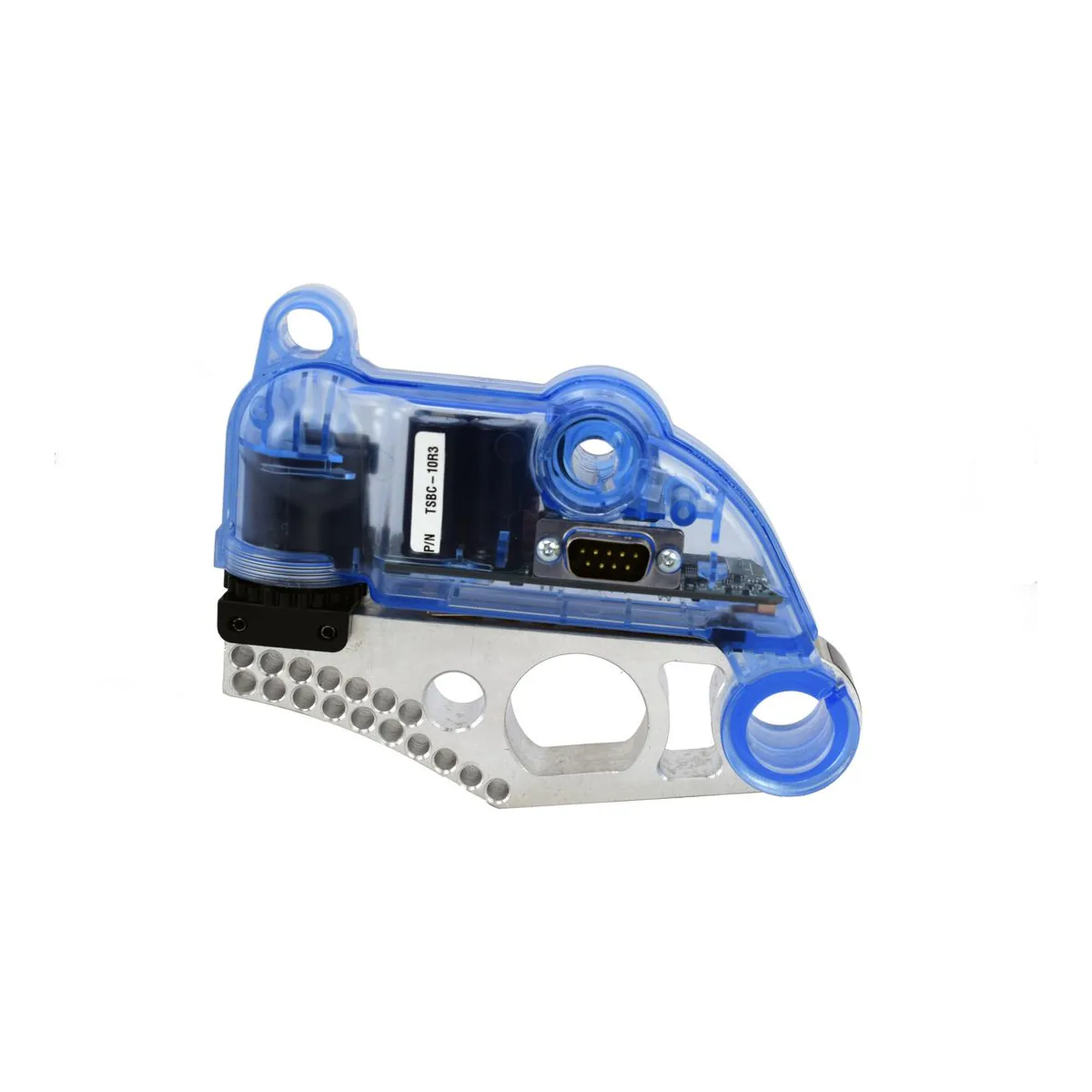
A cartridge fires on more than fingers. The manual names wet pressure-treated wood, because the copper in it conducts, and any metal part touching the blade. Bypass mode turns detection off for a cut you know will trip it. A dado stack needs its own 8 inch dado cartridge, and a coated or non-conductive blade can slow detection or defeat it.
Nothing in JET's documentation for the XACTA offers an equivalent. What it has instead comes from Tom Hintz's 2011 bench test at NewWoodworker.com: a riving knife on the same boss as the arbor, so it follows every height and bevel change, and a modular guard whose side panels lift independently.
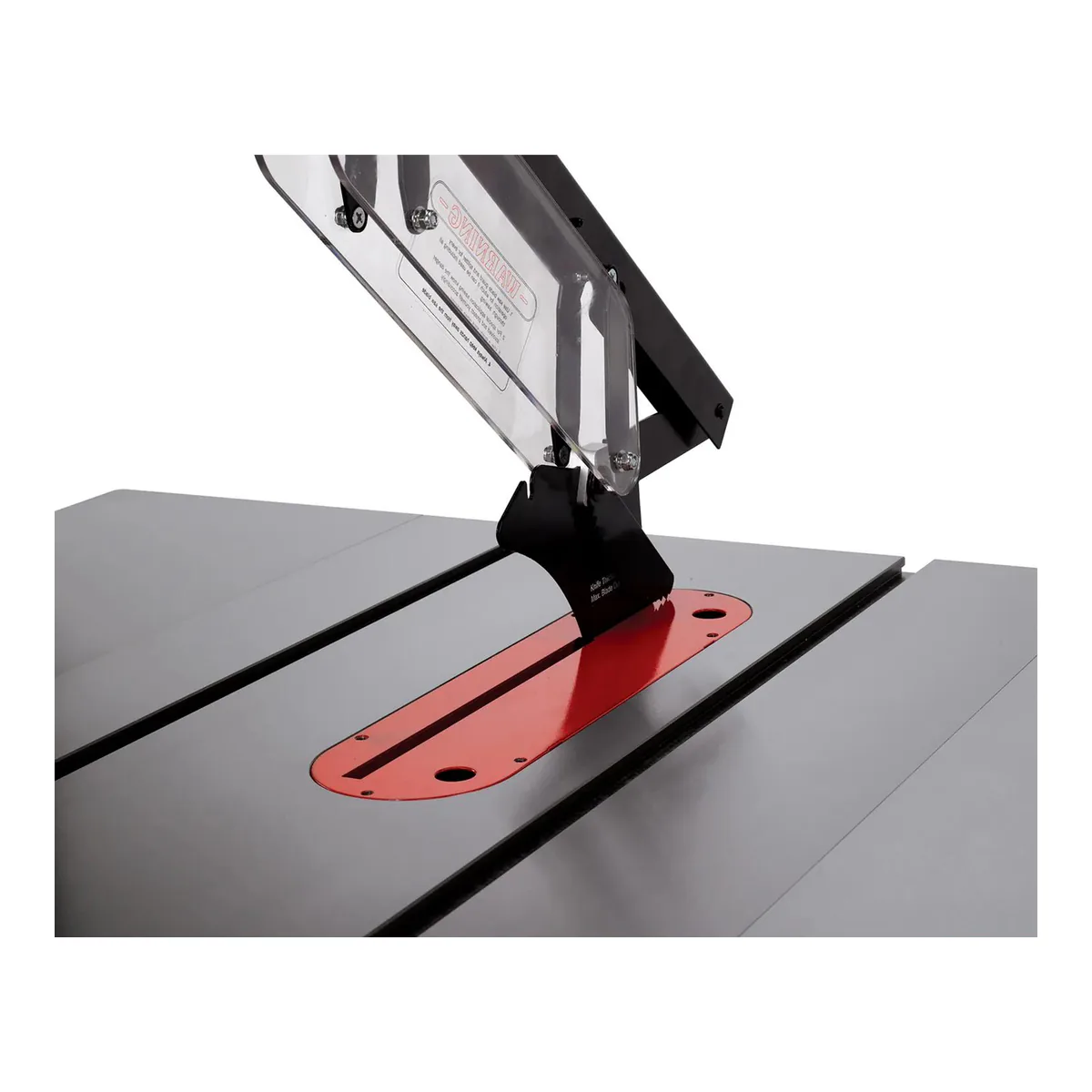
A guard and a knife cut the odds of kickback. They do nothing once a hand reaches the teeth. The PCS175 exists to close that gap.
1.75 HP on 120 volt, or 3 HP on 230
Here the saws run in opposite directions. SawStop ships the PCS175 wired for 120 volt, where its 1.75 HP motor draws 14 amps, and converting it to 230 volt needs a separate contactor box, PCS-WA-025, and drops the draw to 7 amps. The horsepower stays 1.75 either way. The XACTA has no 120 volt mode at all: JET lists its motor and prewired voltage as 230, and a 14.5 amp draw behind its 3 HP. Hintz writes that JET rates the 3 HP on a continuous duty cycle, and in his test it cruised through every wood he fed it.
So the PCS175 runs today on a 120 volt outlet with a 20 amp breaker behind it. Unless a 230 volt circuit is already run, the XACTA waits on an electrician. Under one owner's video of the 1.75 HP PCS, two of the 12 commenters asked the question this section answers, which is why not the 3 HP.
Rip, depth of cut and the fence
On the fence, the JET wins by 14 inches, 50 to the right of the blade on the XACTA-FENCE II against 36 on the PCS175's T-Glide in the TGP236 package. Hintz called the fence "as tough as it is accurate" and found its HDPE faces stayed slick without wax.
Depth of cut goes the other way by an eighth: 3-1/8 inches with the SawStop's blade vertical, against 3 inches on JET's sheet, which gives no angle for its figure. The JET takes a 13/16 inch dado stack up to 8 inches in diameter with no cartridge swap.
What owners have said
Very little, on either saw. Four people in YouTube threads say they own an XACTA, and none reports a fault in how it cuts; one has run theirs ten years. Eight more criticize the finish of one unit in a single video, and none of the eight says they own one. The SawStop corpus is 731 comments across SawStop and table saw threads, and almost none of them names a PCS175, so it says more about table saw buyers in general than this model. Both reviews stay on the documentation rung for that reason: the PCS175 review and the XACTA review lay out every source.
When neither is right
If you want the brake and the horsepower, SawStop builds the Professional in 3 HP as the PCS31230, on 208 to 240 volt at 13 amps, and our Professional vs Industrial comparison covers it. If you want JET on a 120 volt outlet, the JET ProShop II is that saw: 52 inches of rip on a 120 volt plug, minus the XACTA's power.
Before you order, check the outlet and the crate
Run the circuit first. The PCS175 manual asks for a 20 amp breaker even at 120 volt, so an ordinary 15 amp household circuit is short, and the XACTA will not run on a 120 volt household outlet at all. Then ask the seller what ships. Hintz's XACTA arrived in 2011 with no blade, cord or plug, and JET's current sheet does not say. SawStop's manual lists a 40 tooth blade in the PCS175 box, but not a spare cartridge, which is the first thing to add to the order.